
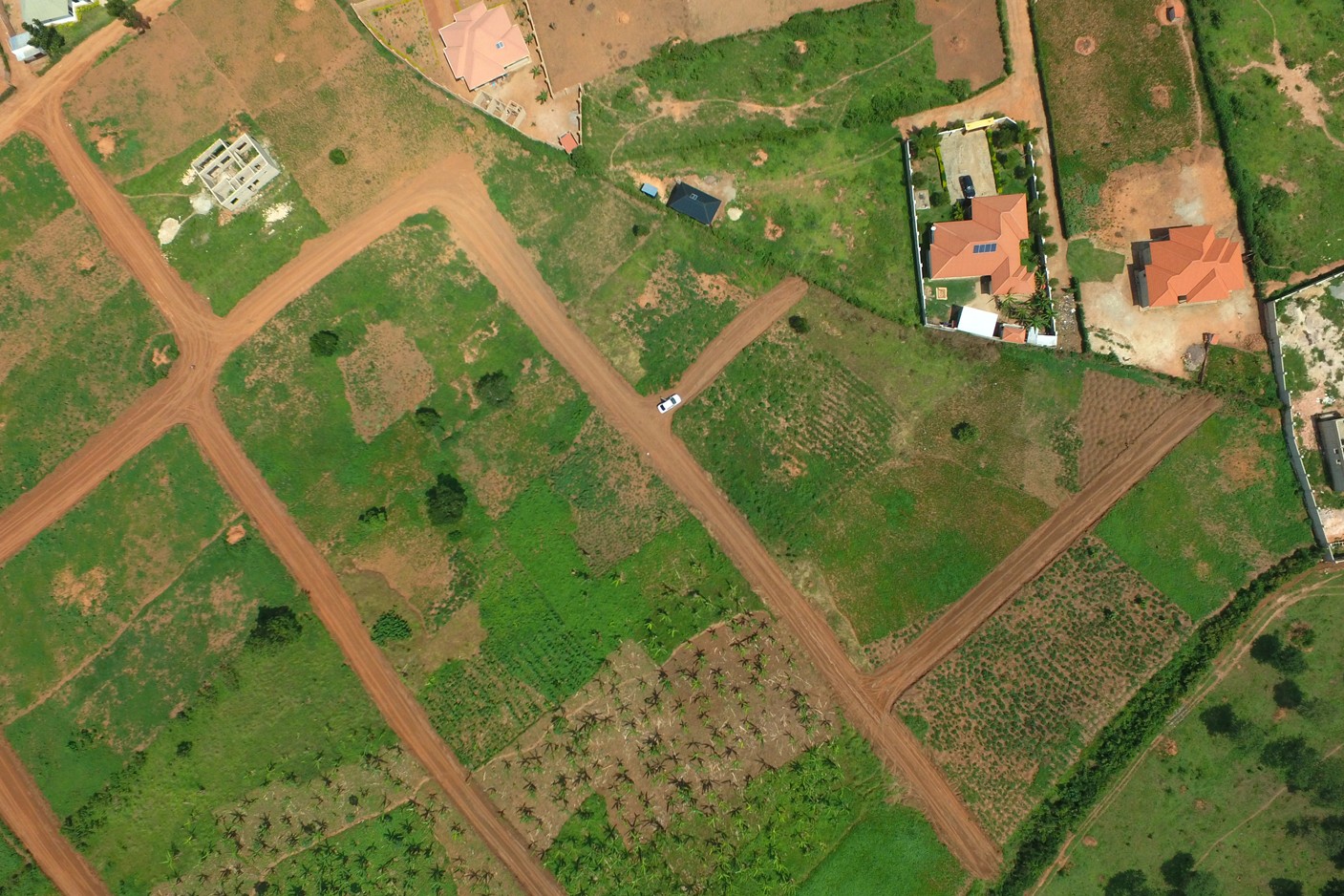
Plots for sale in Uganda’s Central Region districts present some of the most dynamic and high‑potential opportunities in the country’s land markets. This region — which includes Kampala, Wakiso, Mpigi, Masaka, Mukono, Luwero, Mityana, Kalungu, Lyantonde, Gomba, Butambala, Mpigi, Sembabule, Kyotera, Lwengo, Nakasongola, and many surrounding districts — offers a range of land types suitable for residential homes, commercial enterprises, agriculture, estate development, industrial uses, and long‑term investment.
This comprehensive guide introduces you to the Central Region’s land market, explains what makes plots in this region valuable, outlines key districts and localities, explores types of plots available, delves into price trends and market dynamics, provides legal and due‑diligence guidance, and covers investment and practical buying strategies.
Why Buy Plots in Uganda’s Central Region
The Central Region is Uganda’s most economically active and densely populated area. Plots here are in high demand because:
Proximity to Kampala
Many Central Region districts are within commuting distance of Kampala, making them ideal for residential development, rentals, and commuter housing.
Strategic Location and Transport Access
Major transport corridors (including the Kampala–Masaka Road, Kampala–Mbarara Road, Kampala–Jinja Road, Kampala–Gulu Road, Masaka–Mbarara Road, and Kampala–Kyotera Road) run through Central Region districts, enhancing connectivity and plot desirability.
Expanding Infrastructure and Services
Improved road networks, electricity extension, schools, health centres, and commerce stimulate plot demand across peri‑urban and rural areas.
Agricultural Fertility
Large portions of the Central Region — such as Mpigi, Masaka, Mubende, and Luwero — are fertile and suitable for food and cash crop farming, horticulture, and livestock production.
Commercial Opportunity
Trading centres, peri‑urban towns, and highway frontage parcels attract shops, offices, warehouses, service stations, and small industrial developments.
Estate and Residential Demand
Growing middle‑class populations drive demand for residential plots on the outskirts of major towns and cities.
Investment Value
Plots purchased today — especially near growth corridors — typically appreciate over time as infrastructure expands and urbanisation continues.
Types of Plots for Sale in the Central Region
Across Central Region districts, plots are typically categorised by intended use:
Residential Plots
Ideal for:
- Family homes
- Rental developments
- Townhouses and bungalows
- Gated communities
Sizes typically range from standard 50×100 ft to ¼ acre, ½ acre, and 1 acre.
Commercial Plots
Best located near:
- Highways and busy roads
- Trading centres
- Bus parks and junctions
- Growth corridors
Suitable for:
- Retail shops
- Offices
- Warehouses
- Motor vehicle services
Agricultural and Farm Plots
Predominant in districts with fertile soils and good access to water:
- Crop farming
- Horticulture
- Livestock grazing
- Commercial agriculture
Plot sizes vary from small farm units to larger acreage tracts.
Estate and Development Plots
Large acreage parcels suitable for:
- Planned residential estates
- Plot subdivisions for resale
- Mixed‑use community projects
These often start from 5 acres and above.
Industrial and Logistics Plots
Often located near:
- Highway junctions
- Trade hubs
- Urban industrial zones
Suitable for:
- Manufacturing
- Logistics centres
- Processing plants
Investment and Land Banking Plots
Plots acquired for value appreciation rather than immediate development, especially near future infrastructure or growth nodes.
Major Central Region Districts with Plots for Sale
Below are some of the key districts where plots are actively bought and sold, each with unique opportunities:
Kampala District
- Central business district plots
- Residential plots in suburbs
- Commercial and mixed‑use parcels
- Premium pricing due to urban density
Wakiso District
- Fastest growing peri‑urban plots
- Residential estate land
- Commercial frontage plots
- Plots near Entebbe and Kampala
Mpigi District
- Affordable residential and agricultural plots
- Highway frontage parcels
- Growth near Mpigi Town and peri‑urban zones
Masaka District
- Central trading centre plots
- Residential and commercial parcels
- Agricultural land on district outskirts
Mukono District
- Plots near Kampala–Jinja highway
- Residential and commercial land
- Industrial plot opportunities
Luwero District
- Large agricultural and mixed‑use parcels
- Residential plots in emerging urban hubs
Mityana District
- Residential and farmlands with strong accessibility
- Plots near urban township expansions
Kalungu District
- Agricultural and peri‑urban residential land
- Plots near Masaka Road
Lyantonde District
- Plots along busy highways
- Residential and commercial parcels
Gomba District
- Affordable residential and agricultural plots
- Proximity to Greater Kampala commuter belt
Butambala District
- Rural and peri‑urban plots
- Agricultural and homestead land
Sembabule District
- Large acreage farm and ranch plots
- Mixed‑use development land
Kyotera District
- Border trade corridor land
- Residential and commercial plot options
Lwengo District
- Residential plots near trading centres
- Agricultural and peri‑urban development land
Nakasongola District
- Large ranch and agricultural plots
- Residential parcels in emerging hubs
Price Trends and Market Dynamics
Plot prices in the Central Region vary based on:
- Proximity to major roads and urban centres
- Access to utilities and services
- Plot size and intended use
- Local economic activity and growth expectations
General price trends include:
Residential Plots:
- Higher in peri‑urban zones near Kampala, Entebbe, and trading centres
- Moderate in rural villages transitioning to semi‑urban
- Lower in remote areas but with larger plot sizes
Commercial Plots:
- Premium along highways and trading corridors
- Moderate near growth centres and junctions
Agricultural and Farm Plots:
- Higher in fertile, well‑connected interior zones
- Lower in remote rural areas
Estate Development Parcels:
- Increased demand due to middle‑income housing growth
- Price influenced by infrastructure access and utilities
How to Buy Plots Safely in the Central Region
Buying land in Uganda requires careful due diligence. The following steps help ensure a safe and legally sound acquisition:
Step 1: Define Your Land Purpose
Clarify whether you want land for:
- Residential housing
- Commercial business
- Agricultural production
- Estate development
- Investment and land banking
This guides location choice, plot size, and budget.
Step 2: Verify Ownership and Title
Conduct a title search at the Land Registry to confirm:
- The seller is the registered owner
- The title is authentic and current
- There are no disputes, caveats, or caveats
Step 3: Engage Local Verification
Consult local leaders (LC officials, neighbors, community elders) to:
- Confirm land history and occupancy
- Clarify boundary consensus
- Identify potential power challenges
Local insights often catch issues not visible in paperwork.
Step 4: Hire a Licensed Surveyor
Survey the plot to:
- Confirm boundary pegs
- Ensure the surveyed land matches the title description
- Generate a survey plan for registration
Accurate surveying prevents future boundary disputes.
Step 5: Legal Review and Sale Agreement
Engage a qualified advocate to:
- Review all documents
- Draft or review the sale agreement
- Clarify payment terms and transfer procedures
- Ensure compliance with Uganda’s land laws
Legal guidance protects your rights and clarifies obligations.
Step 6: Secure Payments Through Official Channels
Use secure methods:
- Bank transfers
- Documented financial instruments
- Signed and witnessed receipts
Avoid unreceipted cash transactions.
Step 7: Register the Transfer
After executing the sale agreement:
- Submit all documents to the Land Registry
- Pay stamp duty and registration fees
- Ensure the title is updated in the buyer’s name
Registration finalizes legal ownership.
Legal Considerations When Buying Plots
Uganda recognizes multiple land tenure systems:
- Freehold: Permanent ownership with full rights
- Leasehold: Rights for a specific period
- Mailo: Perpetual ownership with potential occupants
- Customary: Traditional land ownership, often convertible to formal title
Confirm the land’s tenure type and that there are no encumbrances or disputes.
Common Risks and Mitigation Strategies
Boundary Disputes
Mitigation: Professional survey and local verification
Fake Titles
Mitigation: Title search and legal review
Unclear Encumbrances
Mitigation: Registry checks and legal counsel
Infrastructure Limitations
Mitigation: Confirm access rights and transport links
Use Cases for Plots in the Central Region
Residential Development
Plots are acquired to build:
- Family homes
- Rental units
- Apartment buildings
- Gated communities
Residential land near utilities appreciates faster.
Commercial Ventures
Plots are used for:
- Shops and retail outlets
- Warehouses and logistics
- Service stations
- Hospitality and lodges
Commercial plots near highways yield strong returns.
Agricultural and Farm Projects
Plots support:
- Crop production
- Livestock grazing
- Horticulture
- Agro‑business processing
Fertile land in interior districts boosts productivity.
Estate Development
Developers buy large plots for:
- Residential estates
- Plot subdivision
- Mixed‑use communities
Estate plots are in high demand due to urban expansion.
Investment and Land Banking
Investors acquire land to:
- Hold for appreciation
- Subdivide later
- Benefit from infrastructure expansion
Land banking is a long‑term growth strategy.
Practical Tips for Plot Buyers
- Conduct physical inspections before purchase
- Confirm utilities and access rights
- Compare multiple listings to understand fair pricing
- Document all agreements in writing
- Work with licensed professionals — lawyers, surveyors, agents
- Review infrastructure plans before investing
Long‑Term Outlook for Central Region Plots
The Central Region’s land market is expected to continue growing due to:
- Urban expansion from Kampala and other cities
- Infrastructure upgrades (roads, utilities)
- Rising residential and commercial demand
- Agricultural productivity growth
- Increased investor interest
Plots acquired today — especially near growth corridors and major roads — are likely to appreciate in value over time.
Conclusion
Plots for sale in Uganda’s Central Region districts provide diverse opportunities for residential homeowners, agricultural producers, commercial developers, estate planners, and long‑term investors. With its strategic location, expanding infrastructure, fertile lands, and affordability relative to urban centres, the Central Region stands out as a high‑potential real estate market.
By conducting thorough due diligence, engaging legal and surveying professionals, and aligning plot purchases with clear objectives and risk mitigation strategies, buyers can secure land that meets their needs and delivers sustainable value over both the medium and long term.