
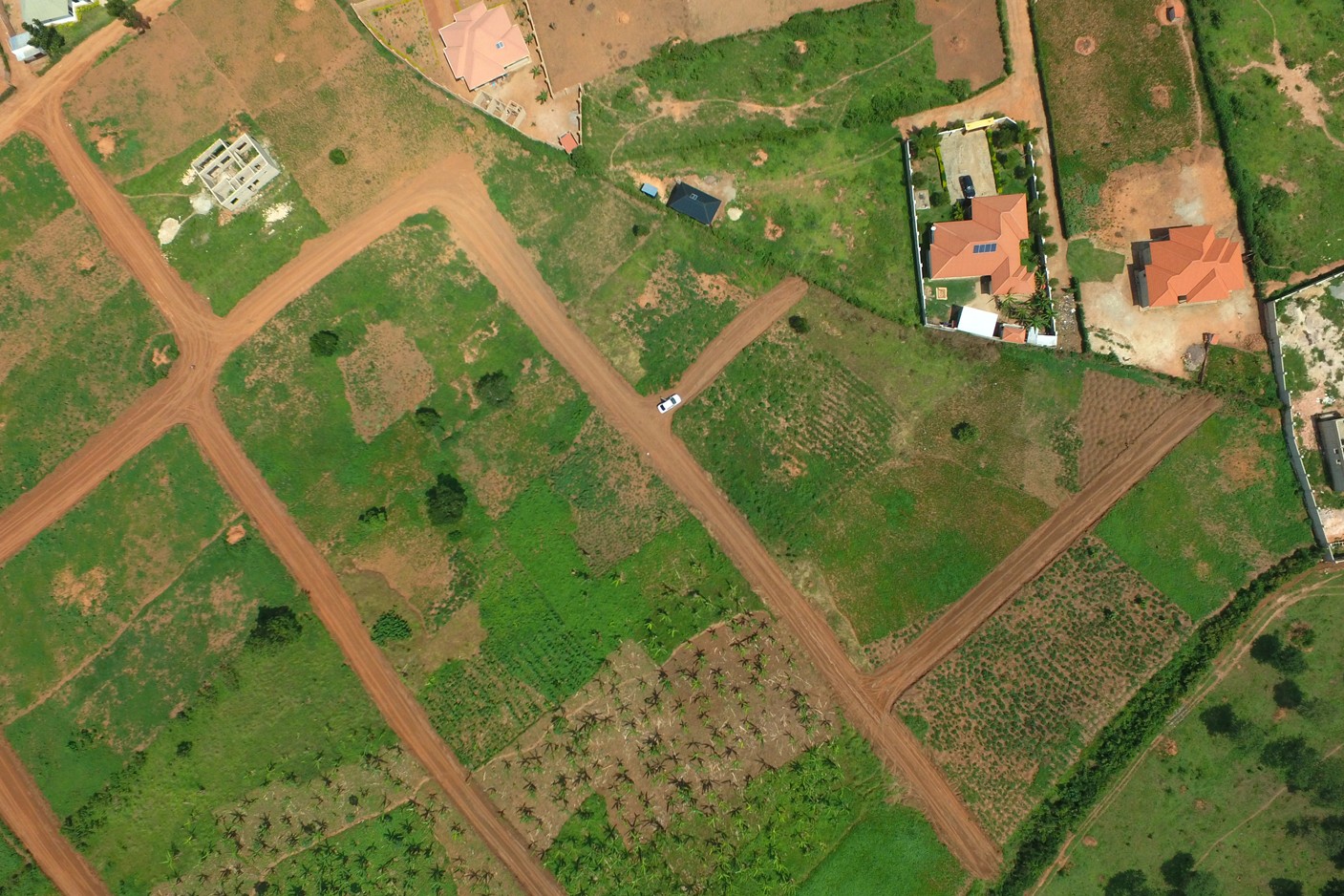
Land for sale in Sembabule, Uganda presents a compelling opportunity for a wide range of buyers — including residential homeowners, agricultural and ranching operators, commercial developers, estate planners, eco-tourism entrepreneurs, and long-term investors. Located in the Central Region of Uganda, Sembabule is characterized by extensive plains, fertile soils, strategic transport links, and increasingly dynamic local markets. With land prices that remain competitive relative to many other districts in the region and significant potential for value appreciation as infrastructure and economic activity expand, Sembabule continues to attract interest from local and diaspora buyers seeking land for personal use, development, or investment.
This comprehensive, SEO-optimized guide provides a detailed, practical, and authoritative overview of the land market in Sembabule, Uganda — including geography and climate, economic drivers, infrastructure and accessibility, different types of land available, major localities, price trends, legal and due-diligence processes, investment use cases, risk management, and a step-by-step roadmap for buying land safely.
Overview of Sembabule District
Sembabule District is located southwest of Kampala, bordered by Kiruhura, Bukomansimbi, Gomba, Mityana, and Ssembabule’s interior communal lands. The district’s capital, Sembabule Town, lies along key transport corridors connecting it to larger hubs such as Masaka, Mbarara, and Kampala. The region’s terrain consists predominantly of gently rolling plains, grasslands, and fertile valleys — making it suitable for agriculture, livestock rearing, and mixed land uses.
Historically rooted in cattle ranching and crop production, Sembabule’s economy also includes small-scale commerce, services, and trading activity. With emerging peri-urban expansion, improved road networks, and rising investor interest, the land market here supports a variety of buyer objectives.
Why Buy Land in Sembabule
Sembabule has several strategic advantages that make it attractive for land acquisition:
Affordable Land Prices: Unlike peri-urban districts closer to Kampala, land in Sembabule is generally more affordable on a per-acre basis, enabling buyers to acquire larger parcels without high upfront capital.
Fertile Soils and Agricultural Productivity: The district’s soils support a range of agricultural activities — from staple crops such as maize, beans, and millet to cash crops and horticulture. Large tracts are especially suitable for commercial farming and ranching.
Strategic Transport Access: Roads linking Sembabule to Masaka, Mubende, and Mbarara facilitate access to regional markets, enhancing the commercial viability of agricultural produce and business ventures.
Growing Residential Demand: As urbanisation spreads outward from major centres, Sembabule’s towns and peri-urban areas are experiencing rising demand for residential plots, rentals, and estate development.
Commercial Opportunity: Roadside parcels near major trading centres are attractive for shops, service stations, supply depots, and small enterprises.
Long-Term Appreciation: With ongoing infrastructure projects and regional growth momentum, land values in key localities are positioned for medium- to long-term appreciation.
Geography and Climate
Terrain
Sembabule’s landscape is predominantly:
- Rolling plains and grasslands — ideal for both crop agriculture and livestock grazing
- Fertile valleys — with higher moisture retention suitable for diversified cropping
- Dryland farming zones — well-suited to drought-tolerant crops and ranching
This diverse terrain supports mixed land uses and contributes to the district’s agricultural productivity.
Climate
The district experiences a tropical climate with:
- Distinct wet and dry seasons
- Rainfall patterns that support both rainfed and irrigated agriculture
- Temperatures that remain moderate to warm year-round
These climatic conditions make Sembabule well-suited for a broad spectrum of agricultural and livestock activities.
Economic Profile and Land Demand Drivers
Sembabule’s land market is influenced by a number of economic drivers:
Agriculture: A large portion of land sales relates to farming — whether for subsistence crops, commercial cultivation, or horticulture.
Livestock and Ranching: Sembabule has a long tradition of cattle ranching and livestock production, buoying demand for larger acreage parcels.
Trade and Transport: Proximity to road corridors enhances the appeal of land for commerce, especially near trading centres where goods are bought and sold.
Residential Development: As township populations grow, parcels near utilities, schools, and services are increasingly in demand.
Investor Interest: Buyers looking ahead to long-term value growth often target land near anticipated infrastructure improvements.
Infrastructure and Accessibility
Road Networks
Road access significantly influences land value in Sembabule. The district is served by:
- Inter-district road links connecting to Masaka, Mbarara, and other urban centres
- Feeder roads linking rural communities and farming zones to trading hubs
- Access routes that facilitate transport of agricultural produce to markets
Land parcels with easy access to tarmacked or well-maintained feeder roads typically command higher prices.
Utilities
- Electricity: Available in major towns and peri-urban zones; rural expansion is underway.
- Water: Managed supplies exist in trading centres; boreholes and wells serve rural areas.
- Telecommunications: Mobile network coverage and internet accessibility support business and personal use.
Access to utilities enhances land usability and resale potential.
Types of Land Available for Sale
Buyers in Sembabule encounter a variety of land types tailored to different objectives and investment horizons:
Residential Land
Residential plots are suitable for:
- Family homes
- Rental homes and apartments
- Retirement residences
- Small residential estates
Typical plot sizes range from:
- Quarter-acre
- Half-acre
- One-acre parcels
Residential land is often located near services such as schools, clinics, markets, and utilities.
Agricultural Land
Agricultural land is widely available, particularly in rural zones. Uses include:
- Staple crop production (e.g., maize, beans, millet)
- Horticulture and vegetable farming
- Agro-forestry and fruit orchards
- Commercial cash crop production
Large tracts are suitable for mechanised farming and agribusiness enterprises.
Livestock and Ranching Land
Sembabule’s grassland ecosystem supports:
- Cattle ranching
- Goat and sheep farming
- Dairy production
- Feedlot operations
Ranch land often comes in large acreages to accommodate grazing and livestock management.
Commercial Land
Commercial parcels are typically found:
- Along major transport corridors
- Near trading centres and bus terminals
- Adjacent to busy junctions
These plots are ideal for:
- Retail outlets
- Small shopping arcades
- Warehouses and storage yards
- Service stations
- Guest houses and motels
Commercial land values are influenced by traffic volume, visibility, and accessibility.
Estate Development Land
Developers often acquire larger parcels (typically five acres and above) for:
- Planned housing estates
- Mixed-use subdivisions
- Middle-income residential communities
Estate land is popular among developers due to rising demand for serviced residential plots.
Investment and Land Banking Land
Investors acquire land without immediate development plans, often:
- Near growth corridors
- Close to future infrastructure nodes
- In areas poised for peri-urban expansion
Land banking is a long-term strategy that anticipates future infrastructure and demographic growth.
Key Localities for Land in Sembabule
The value and potential of land vary across the district. Below are key localities where land is actively bought and sold:
Sembabule Town and Urban Periphery
As the administrative and commercial centre, Sembabule Town offers:
- High demand for residential plots
- Commercial development opportunities
- Access to utilities, markets, schools, and health facilities
Land near the town trades at a premium relative to more remote areas.
Lwebitakuli and Lwemiyaga
These sub-locations combine rural farming land with proximity to trading centres, making them attractive for:
- Agricultural plots
- Rural homes
- Livestock holdings
Prices here tend to reflect both agricultural productivity and access to local markets.
Mateete and Kabula
These areas offer large acreage suitable for:
- Ranching
- Commercial farming
- Estate planning
Their relative proximity to major towns enhances accessibility while still offering large parcels at reasonable pricing.
Lwemiyaga–Sembabule Corridor
Land along transport corridors that connect communities to Sembabule Town commands strong interest due to:
- Ease of access
- Visibility
- Connectivity to transport routes
Corridor land is often targeted for mixed uses, including commercial and residential development.
Rural Hinterland Zones
Interior rural zones farther from trading centres generally offer:
- Larger parcels
- Lower per-acre pricing
- Best value for ranching or large-scale agriculture
These areas are often preferred by investors focusing on scale and long-term development.
Price Trends and Market Dynamics
Land prices in Sembabule are influenced by:
- Proximity to major roads and urban centres
- Accessibility to utilities and social infrastructure
- Land size and intended use
- Soil quality and agricultural potential
- Local demand and investor interest
While actual land values are subject to change based on current market conditions, the following general trends are commonly observed:
Residential Land Pricing
- Urban and peri-urban residential plots command higher pricing due to access to utilities and services.
- Residential land in rapidly growing trading centres consistently appreciates due to housing demand.
Agricultural Land Pricing
- Productive farmland with good soil quality and access to water receives stronger pricing.
- Remote agricultural parcels may be priced lower but offer larger acreage.
Commercial Land Pricing
- Roadside and junction plots with high visibility carry premium pricing driven by business potential.
- Land near bus parks, trading nodes, and service centres is priced comparatively higher.
Investment Land Pricing
- Growth corridor parcels with anticipated infrastructure upgrades are priced based on future expectations rather than current use.
- Deep rural investment land tends to be more affordable per acre but appreciates as development reaches the area.
Understanding land pricing dynamics helps buyers make strategic choices based on both current use and future value potential.
How to Buy Land in Sembabule Safely
Purchasing land in Uganda — including in Sembabule — requires careful and structured due diligence to avoid disputes, fraud, and legal complications. Below is a step-by-step guide to secure land safely:
Clarify Your Purpose
Define the purpose of the land purchase: residential, commercial, agricultural, estate development, or investment. This guides location choice, parcel size, and due-diligence focus.
Verify Ownership and Title
Visit the Land Registry to confirm:
- The seller is the registered owner
- The title document is authentic and current
- There are no caveats, encumbrances, or disputes
Engage a qualified advocate to assist with title verification.
Local Authority Engagement
Speak with local leadership (LC officials, neighbours) to:
- Confirm land history and long-term occupancy
- Clarify boundary consensus
- Identify any competing claims
Local insights can reveal issues not evident in documentation.
Professional Survey
Hire a licensed surveyor to:
- Mark and confirm boundary pegs
- Verify that the land matches the titled description
- Produce a survey plan for registry filing
Accurate surveying prevents future boundary disputes.
Legal Review and Sale Agreement
A qualified advocate should:
- Review all documentation
- Draft or review the sale agreement
- Clarify payment terms and transfer procedures
- Ensure compliance with Ugandan land laws
Legal counsel protects your rights and outlines obligations.
Secure Payments Through Official Channels
Make payments via:
- Bank transfers
- Documented financial instruments
- Signed and witnessed receipts
Avoid cash transactions without proper documentation.
Register the Transfer
After signing the sale agreement:
- Submit all documents to the Land Registry
- Pay stamp duty and registration fees
- Ensure the title is updated in your name
Registration finalizes legal ownership.
Legal Considerations When Buying Land
Understanding the legal framework safeguards your purchase:
Types of Tenure
Uganda recognizes several land tenure systems:
- Freehold: Full ownership rights
- Leasehold: Time-bound rights
- Mailo: Perpetual ownership with possible occupants
- Customary: Traditional tenure, convertible to formal title
Confirm the land’s tenure type before purchase.
Taxes and Fees
Land purchases involve:
- Stamp duty
- Registration fees
- Legal fees
Include these in your budgeting.
Encumbrances and Covenants
Ensure the land is free from:
- Mortgages
- Court attachments
- Restrictive covenants
Clean titles avoid future legal complications.
Zoning and Planning Compliance
Check with local authorities:
- Permitted land uses
- Environmental restrictions
- Development guidelines
Compliance ensures lawful utilization.
Use Cases for Land in Sembabule
Different buyers pursue land for varied purposes. Common use cases include:
Residential Development
Buyers secure plots to build:
- Family homes
- Rental units
- Gated residential estates
Proximity to utilities enhances desirability and appreciation.
Commercial Ventures
Entrepreneurs acquire land for:
- Retail shops
- Service stations
- Guest houses and lodges
- Warehouses and logistics hubs
Commercial parcels near highways and trading hubs yield business returns.
Agricultural Enterprises
Farmers and agribusinesses purchase land for:
- Staple crop production
- Horticulture
- Value-added crops
- Agribusiness processing
Sembabule’s soils and climate support diversified agriculture.
Estate Development
Developers secure land to:
- Subdivide into residential plots
- Build planned communities
- Sell or rent developed units
Estate projects require planning, marketing, and phased investment.
Investment and Land Banking
Investors acquire land to:
- Hold for future appreciation
- Subdivide and develop later
- Leverage future infrastructure improvements
Land banking is a popular long-term investment strategy.
Practical Tips for Buyers
- Visit the property in person before purchase
- Confirm utility access and rights of way
- Compare multiple listings for fair market value
- Document all agreements in writing
- Work with licensed advocates, surveyors, and agents
- Review future infrastructure and development plans
Risks and How to Mitigate Them
Boundary disputes
Mitigation: Professional survey and local verification
Fake titles or fraud
Mitigation: Title search and legal review
Hidden encumbrances
Mitigation: Registry checks and lawyer involvement
Access challenges
Mitigation: Confirm road access and rights-of-way
Long-Term Outlook for Sembabule Land
The outlook for land in Sembabule remains positive due to:
- Continued rural and peri-urban growth
- Infrastructure improvements
- Agricultural investment
- Commercial demand along transport routes
- Increasing interest from diaspora investors
Land acquired today — especially near growth corridors — is likely to appreciate significantly over time.
Conclusion
Land for sale in Sembabule, Uganda offers abundant opportunities for residential buyers, commercial investors, agricultural producers, estate developers, and long-term investors. Its fertile plains, strategic location, growing infrastructure, and affordability relative to many other districts make it one of the most promising land markets in the Central Region.
By conducting thorough due diligence, engaging qualified legal and surveying professionals, and aligning purchases with clear objectives and risk management strategies, buyers can secure land that meets their needs and delivers sustainable value over the medium and long term.