
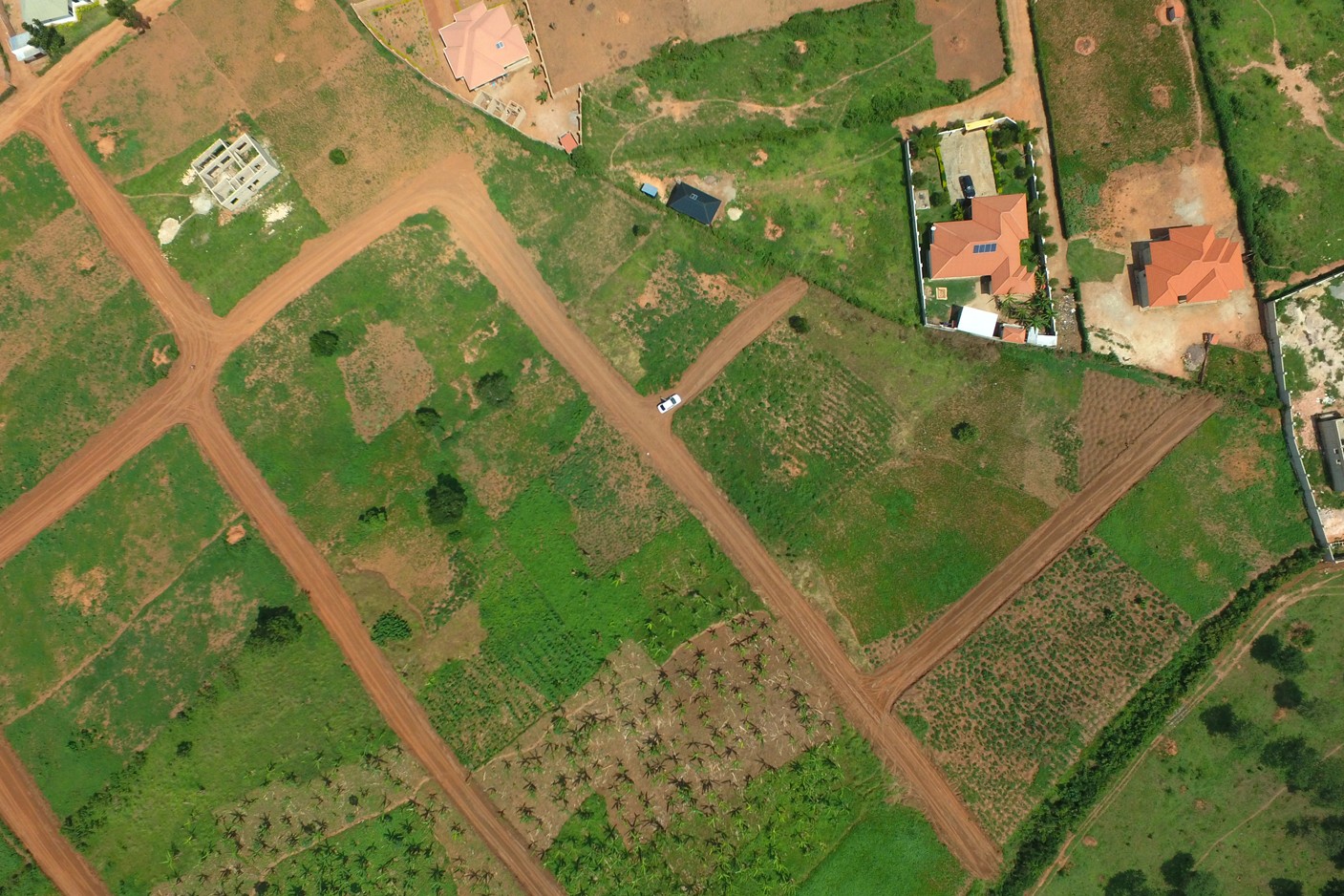
Land for sale in Rakai, Uganda presents a multifaceted opportunity for a broad range of buyers — including residential homeowners, agricultural and agribusiness investors, commercial developers, estate planners, eco-tourism entrepreneurs, and long-term land bankers. Nestled in the Central Region, Rakai District combines fertile soils, strategic transport links, proximity to major regional markets, access to Lake Victoria’s shoreline in parts, and comparatively affordable land prices relative to urban centres. These factors make Rakai a compelling destination for land acquisition across multiple use cases.
This comprehensive guide provides a deep, practical overview of land for sale in Rakai — including district context, geography and climate, infrastructure and access, types of land available, key localities and price dynamics, legal and due-diligence guidance, investment use cases, risks and mitigation, practical buying steps, long-term outlook, and high-ranking SEO keywords.
Overview of Rakai District
Rakai District is situated in the southern part of Uganda in the Central Region, sharing borders with Lwengo, Kyotera, Lyantonde, Sembabule, Kiruhura, Lyantonde, and the international boundary with Tanzania to the south. The district headquarters, Rakai Town, sits along key transport routes linking the interior to the Kampala–Masaka–Mbarara corridor and onward to the western and southern regions of Uganda and to neighbouring Tanzania.
The district’s landscape includes a mix of fertile plains, gentle hills, wetlands, and lakeshore zones (particularly near parts of Lake Victoria and associated water bodies), providing a wide range of land use possibilities — from agriculture and livestock grazing to residential and commercial development.
Rakai’s proximity to thriving urban centres (including Masaka and Kyotera) and regional trade routes amplifies its strategic land appeal.
Why Land in Rakai Is Attractive
Several interconnected factors make Rakai desirable for land buyers:
Affordability and Scale
Land in Rakai is generally more affordable on a per-acre basis compared with major urban and peri-urban districts. This affordability enables buyers to secure larger parcels — a key benefit for agricultural operations, ranching, estate development, or land banking.
Fertile Agricultural Land
Rakai’s soils support staple and commercial crops, horticulture, and livestock enterprises. Commercial farming investors find the district well suited for both crop and livestock production.
Strategic Transport Access
The district lies along important road corridors linking to Kampala, Masaka, and the broader Western and Southern regions. This connectivity supports transportation of agricultural produce, goods, and services.
Residential and Mixed-Use Demand
As urbanisation spreads outward from larger nearby towns, demand for residential plots and mixed-use land is rising, especially near trading centres and along major roads.
Commercial Development Potential
Land close to transport junctions and trading hubs appeals to businesses such as retail markets, service stations, logistics services, agro-processing facilities, and small industries.
Natural and Scenic Value
Lake Victoria shorelines and water access points within Rakai provide opportunities for eco-tourism, recreation, and waterfront residential developments, which often command premiums due to scenic and lifestyle appeal.
Investment and Appreciation Potential
Long-term investors targeting future growth corridors and infrastructure expansion often acquire land early in anticipation of rising values.
Geography and Climate
Terrain
Rakai’s landscape includes:
- Fertile plains ideal for agriculture and crop production
- Rolling hills suited for residential estates and property development
- Wetlands and water channels — important for irrigation, fishing, and ecological land uses
- Lakeshore zones along Lake Victoria, offering scenic and eco-tourism potential
This mix supports diverse land use strategies across agrarian, residential, and commercial segments.
Climate
Rakai experiences a tropical climate with:
- Two primary rainy seasons — typically March to May and September to November
- Warm year-round temperatures
- Dry periods that support harvests, livestock grazing, construction work, and ecological control
The climate supports both rainfed and irrigation-assisted agriculture, residential comfort, and year-round land usability.
Infrastructure and Accessibility
Road Networks
Land value in Rakai is strongly influenced by road access:
- Kampala–Masaka Road: A key trunk route linking the district to national and regional markets
- Road links to Kyotera and Mutukula: Supporting cross-border trade with Tanzania
- Feeder and community roads: Connecting interior rural lands to local trading hubs
Land parcels with direct access to major tarmacked or well-maintained feeder roads typically command higher valuation due to accessibility and economic mobility.
Utilities
Availability of utilities boosts land usability:
- Electricity: Accessible in major towns and increasingly in peri-urban communities
- Water: Boreholes, community water systems, and piped water supplies in urban and peri-urban zones
- Telecommunications: Mobile network coverage supports connectivity and business operations
Proximity to utilities is a key consideration for residential and commercial development.
Social Services
In and around Rakai’s trading centres, schools, health facilities, markets, and financial services add value to nearby land, particularly for residential and mixed-use plots.
Types of Land Available for Sale in Rakai
Buyers in Rakai encounter a variety of land categories to suit different objectives:
Residential Plots
Residential land is ideal for:
- Family homes
- Rental houses
- Medium-density housing estates
- Retirement or vacation homes
Common plot sizes include 50×100 ft, 100×100 ft, ¼ acre, ½ acre, and 1 acre parcels. Plots near utilities, schools, clinics, and transport access typically command higher demand.
Commercial Land
Commercial land is often located:
- Along major highways and trading nodes
- Adjacent to bus parks and transport junctions
- Near markets and urban centres
Uses include:
- Retail shops and arcades
- Service centres
- Wholesale outlets
- Offices and mixed-use buildings
Commercial plots near high-traffic roads usually command premiums.
Agricultural and Farm Land
Agricultural parcels are abundant and support:
- Staple food crops (maize, beans, millet)
- Cash crops (coffee, horticultural produce)
- Pasture and fodder systems
- Irrigated agriculture in areas with water access
Large agricultural tracts allow economies of scale for commercial farming ventures.
Ranching and Livestock Land
Parts of Rakai are well suited for livestock grazing, including:
- Cattle ranching
- Goat and sheep farming
- Dairy production
- Integrated forage and grazing systems
Large grassland tracts provide value for extensive livestock enterprises.
Estate Development Land
Estate development land generally comprises larger parcels (often 5 acres or more) suitable for:
- Planned residential communities
- Gated estates
- Plot subdivision and resale
- Mixed-use neighbourhood development
Developers target parcels near evolving peri-urban areas.
Investment and Land Banking Land
Investors sometimes acquire land with no immediate development plan, anticipating future value growth as:
- Infrastructure improves
- Urban spillover increases
- Transport corridors develop
These parcels are typically located in emerging growth areas or near planned public and private investments.
Key Localities for Land in Rakai
Understanding where land is actively transacted helps buyers align acquisitions with strategic opportunity:
Rakai Town and Urban Fringe
Rakai Town is the administrative and commercial centre, making adjacent land appealing for:
- Urban and peri-urban residential plots
- Small and mid-scale commercial use
- Rental property investments
Proximity to utilities, services, schools, and civic facilities increases land demand.
Highway Corridor Zones
Land along transport corridors connecting Kampala to Masaka, Kyotera, Mutukula, and onward to Tanzania is highly attractive for:
- Commercial enterprises
- Transport-related services
- Logistics and wholesale operations
Highway frontage properties typically command higher prices.
Kyotera-Border Regions
Areas near Kyotera and the Uganda–Tanzania border attract interest for transport, logistics, and cross-border trade land uses:
- Warehouses
- Distribution hubs
- Transport services
- Transit-oriented developments
This positioning enhances commercial and investment potential.
Interior Rural and Agricultural Zones
Interior rural zones offer:
- Large agricultural acreage
- Ranching and livestock land
- Investment tracts with future growth potential
These areas are ideal for agribusiness and large-scale farming operations.
Lakeshore and Eco-Zones
Some parts of Rakai have proximity to water bodies, including areas of Lake Victoria’s shoreline (depending on subcounty location). These zones attract:
- Eco-tourism developments
- Waterfront residential projects
- Recreational or hospitality ventures
Such land often commands premiums due to scenic and lifestyle value.
Price Trends and Market Dynamics
Land prices in Rakai vary considerably depending on location, plot size, land type, infrastructure proximity, soil suitability, and demand dynamics.
Residential Plot Pricing
- Urban and peri-urban plots near services: Higher pricing
- Plots near major roads and amenities: Mid-range pricing
- Interior rural and hillside residential plots: Lower pricing per acre
Residential land near schools, markets, and transport access tends to appreciate faster.
Commercial Parcel Pricing
- Highway frontage and trading node land: Premium pricing
- Secondary commercial plots near bus parks or markets: Mid-range
Commercial land value closely reflects expected customer access and business visibility.
Agricultural Land Pricing
- Fertile agricultural tracts near transport routes: Mid-range
- Large rural agricultural acreage: Lower per acre
Soil fertility, water access, and transport access influence agricultural land value.
Estate Development Land
- Growth corridor and peri-urban tracts: Mid-to-high pricing
- Interior undeveloped estate land: Lower per acre
Estate land pricing reflects current demand and future projected growth.
Investment Land Pricing
- Growth corridor plots and near planned infrastructure: Higher pricing based on future potential
- Deep rural undeveloped land: Lower per acre with long-term upside
Investors typically prioritise parcels near growth catalysts such as road upgrades or urban expansion.
How to Buy Land in Rakai Safely
Purchasing land in Uganda — including Rakai — requires a structured due-diligence process to avoid disputes, fraud, or legal complications.
Clarify Your Land Purpose
Determine whether the land is intended for:
- Residential housing
- Commercial development
- Agricultural or farm use
- Estate planning
- Investment and land banking
Purpose influences location, size, and pricing decisions.
Verify Ownership and Title
Conduct a title search at the local Land Registry to confirm:
- The seller is the registered owner
- The title is authentic and current
- There are no caveats, encumbrances, or disputes
Engage a qualified advocate for verification and interpretation.
Local Authority Consultation
Consult local leadership (LC officials, neighbours) to:
- Confirm land history and occupancy
- Clarify boundaries and community consensus
- Identify potential informal claims
Local insights often reveal issues not evident in documented records.
Professional Land Survey
Hire a licensed surveyor to:
- Confirm boundary pegs
- Ensure the land on the ground matches the title description
- Produce an official survey plan for registration
Accurate surveying prevents boundary disputes.
Legal Review and Sale Agreement
A qualified advocate should:
- Review all land documentation
- Draft or review the sale agreement
- Clarify payment terms and transfer procedures
- Ensure compliance with Ugandan land laws
Legal guidance protects your interests and clarifies obligations.
Secure Payments Through Official Channels
Ensure all payments are:
- Bank transfers
- Documented financial instruments
- Signed and witnessed receipts
Avoid unreceipted cash transactions.
Register the Land Transfer
After executing the sale agreement:
- Submit documents to the Land Registry
- Pay stamp duty and registration fees
- Ensure the title is updated in your name
Registration finalises legal ownership and protects against future claims.
Legal Considerations When Buying Land in Rakai
Understanding the legal framework ensures compliance and safeguards ownership rights:
Types of Land Tenure
Uganda recognises multiple tenure systems:
- Freehold: Full ownership rights
- Leasehold: Rights for a defined term
- Mailo: Perpetual ownership with potential occupants
- Customary: Traditional tenure, often convertible to formal title
Confirm the land’s tenure type before purchase.
Taxes and Fees
Land purchases involve:
- Stamp duty
- Registration fees
- Legal fees
Include these costs in your acquisition budget.
Encumbrances and Covenants
Ensure the land is free from:
- Mortgages
- Attachments
- Restrictive covenants
Clean titles reduce legal risk.
Zoning and Planning Compliance
Consult local authorities regarding:
- Permitted land uses
- Environmental safeguards
- Building and development regulations
Compliance avoids development restrictions and legal penalties.
Use Cases for Land in Rakai
Residential Development
Buyers acquire land to build:
- Homes
- Rental properties
- Apartments
- Gated estates
Residential plots near services and transport appreciate faster.
Commercial Ventures
Entrepreneurs purchase land for:
- Retail outlets
- Service stations
- Logistics facilities
- Market hubs
Commercial land near highways and trading nodes yields high visibility.
Agricultural and Farm Businesses
Farmers and agribusiness investors buy land for:
- Staple and cash crop cultivation
- Horticulture
- Pasture and livestock grazing
Rakai’s soils and climate support diversified agricultural production.
Estate Development
Developers buy large tracts to:
- Subdivide parcels
- Build planned communities
- Lease or sell developed units
Estate projects require planning, marketing, and phased investment.
Long-Term Investment (Land Banking)
Investors acquire land to:
- Hold for future appreciation
- Subdivide and develop later
- Capitalise on planned infrastructure
Land banking is a long-term capital strategy.
Practical Tips for Land Buyers
- Visit the land personally before purchase
- Confirm access to utilities and transport links
- Compare multiple listings to determine fair pricing
- Document all agreements and payments in writing
- Work with licensed professionals — advocates, surveyors, agents
- Review long-term development plans before investing
Risks and Mitigation Strategies
Boundary Disputes
Mitigation: Professional surveys and local consultation
Fake Titles or Fraud
Mitigation: Title searches and legal review
Hidden Encumbrances
Mitigation: Registry checks and lawyer oversight
Infrastructure Limitations
Mitigation: Confirm access rights and planned development
Long-Term Outlook for Land in Rakai
Rakai’s land market is poised for sustained growth driven by:
- Strategic transport connections
- Urban spillover from major cities
- Rising residential and commercial demand
- Agricultural productivity and agribusiness investment
- Increased investor interest in regional land markets
Land acquired today — especially near growth corridors, transport access, and utility expansion zones — is likely to appreciate significantly over the medium and long term.
Conclusion
Land for sale in Rakai, Uganda offers diverse opportunities for residential homebuyers, commercial developers, agricultural investors, estate planners, industrial users, and long-term investors. With its strategic location along major transport routes, competitive land prices, expanding infrastructure, and varied land use potential, Rakai stands out as a promising land market in the Central Region.
Through thorough due diligence, engagement of legal and surveying professionals, and alignment of purchases with clear objectives and risk-mitigation practices, buyers can secure land that meets their needs and delivers sustainable value over time.