
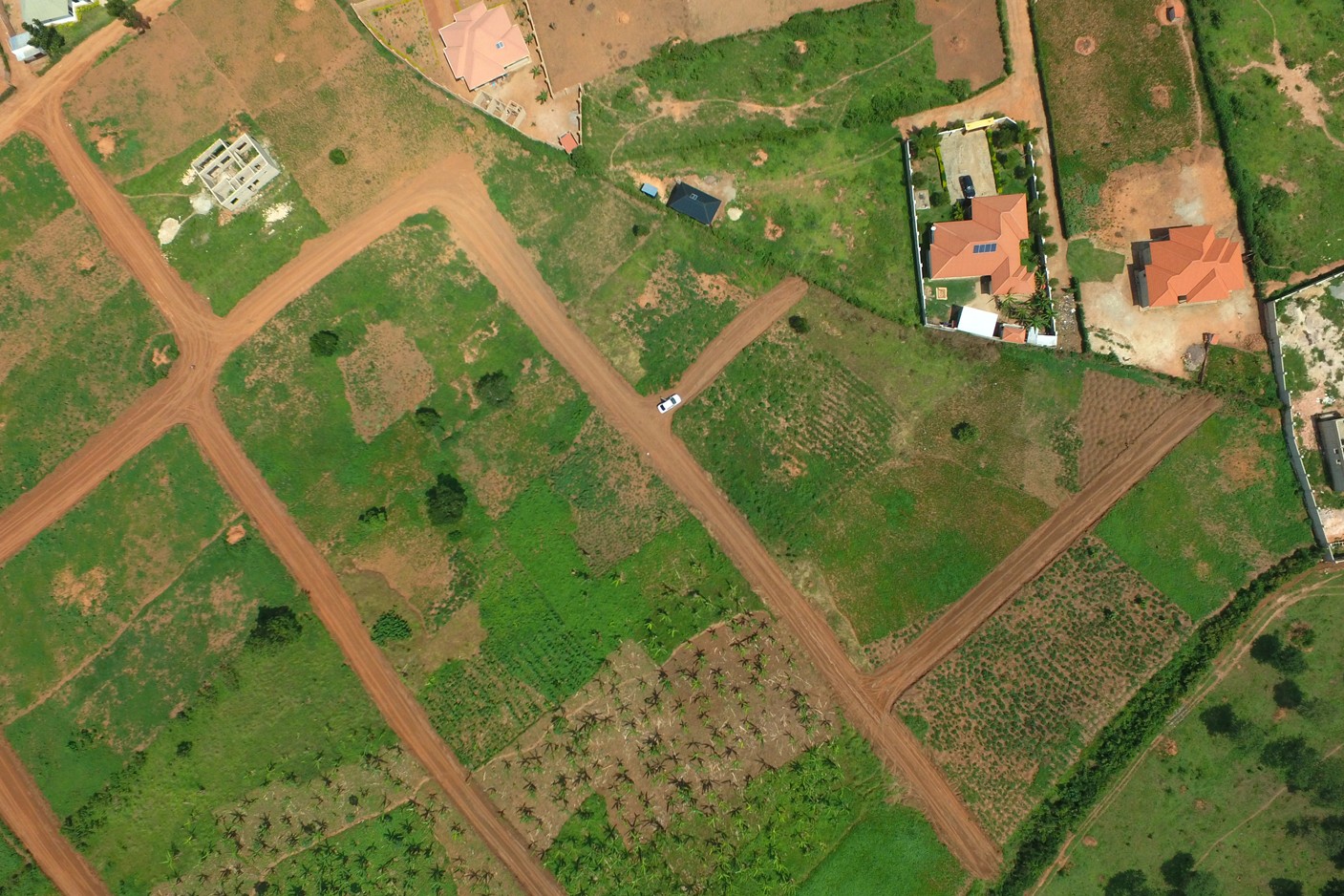
Land for sale in Nakaseke, Uganda offers a strategic opportunity for buyers seeking residential plots, commercial parcels, agricultural acreage, ranching land, estate development tracts, and long-term investments. Nakaseke District is located in the Central Region, with a landscape of rolling plains, agricultural expanses, and emerging peri-urban zones. Its proximity to major transport routes connecting Kampala, Luweero, and Nakasongola enhances accessibility and economic potential. The district combines affordability, growth potential, and diverse land use options, making it a compelling choice for local and diaspora investors alike.
This detailed guide provides a thorough overview of land for sale in Nakaseke, including district context, geography and climate, infrastructure and access, types of land available, major localities, pricing trends, legal and due-diligence guidance, investment use cases, risk mitigation, practical acquisition steps, and future outlook.
Overview of Nakaseke District
Nakaseke District lies in central Uganda, north of Kampala and adjacent to Luweero and Nakasongola districts. Its administrative headquarters is Nakaseke Town, a growing commercial and civic centre. Historically rural and agrarian, Nakaseke is increasingly attracting attention from buyers seeking larger land parcels, lower entry prices, and development potential as urbanisation spreads outward from Kampala and major transport corridors.
The district supports diverse land uses including farming, grazing, residential housing, commercial enterprises, and estate projects. Its strategic position along key road networks enhances accessibility to both markets and services.
Why Land in Nakaseke Is Attractive
Affordable Pricing Compared with Urban Districts
Nakaseke retains land prices that are significantly lower than peri-urban zones near Kampala or other high-demand districts, enabling buyers to acquire larger acreages at competitive rates.
Proximity to Transport Routes
The district is accessible via key road networks connecting to Kampala, Luweero, and Nakasongola, enhancing trade and mobility.
Large Parcels Available
Unlike densely urbanised districts, Nakaseke has extensive tracts suitable for agriculture, ranching, or estate development.
Expanding Residential Demand
Population growth and extended commuter reach from nearby urban centres are increasing demand for residential plots near services.
Commercial and Business Potential
Land near trading centres and transport junctions is attractive for retail businesses, logistics hubs, warehouses, and service stations.
Strong Long-Term Appreciation Potential
With infrastructure improvements, urban spillover, and regional growth, land values in key zones are expected to appreciate over time.
Geography and Climate
Terrain
Nakaseke’s terrain consists of:
- Gently rolling plains ideal for farming and ranching
- Agricultural valleys and lowlands supporting crop cultivation
- Open grasslands suitable for livestock grazing and pasture
The varied landscape supports multiple land use types — from large farms to mixed residential developments.
Climate
The district experiences a tropical climate with:
- Two main rainy seasons (typically March–May and September–November)
- Warm temperatures throughout the year
- Dry spells that facilitate pasture and field preparation
The climate supports both rainfed and irrigated agriculture as well as year-round development activities.
Infrastructure and Accessibility
Road Networks
Connectivity is a key land value driver in Nakaseke:
- Luweero–Nakaseke Road: Links the district to larger regional hubs
- Access roads and feeder routes: Connect interior lands to towns
- Improved all-weather roads: Enhance accessibility during wet seasons
Land parcels near well-maintained roads generally command higher prices due to ease of transport and economic access.
Utilities
Access to utilities strongly influences land desirability:
- Electricity: Available in Nakaseke Town and expanding toward peri-urban areas
- Water: Boreholes, springs, and community systems serve many areas; piped water is available in parts of urban Nakaseke
- Telecommunications: Mobile network coverage and internet accessibility support business and personal use
Proximity to utility access lines increases land suitability for residential and commercial development.
Social Infrastructure
Nakaseke hosts schools, health facilities, markets, and civic services in and around trading centres — making adjacent land more desirable for residential and mixed-use purposes.
Types of Land for Sale in Nakaseke
Nakaseke’s land market is broad and accommodates varied buyer objectives:
Residential Land
Residential plots are suitable for:
- Family homes
- Rental units
- Duplexes and small housing estates
Common plot sizes include:
- 50×100 ft
- 100×100 ft
- ¼ acre, ½ acre, 1 acre
Plots near utilities, access roads, and social services typically attract higher demand and pricing.
Agricultural and Farming Land
Agricultural acreage supports:
- Staple crop cultivation
- Horticulture and vegetable farming
- Cash crops
- Agro-processing ventures
Large agricultural parcels are often contained in tens to hundreds of acres.
Ranching and Livestock Land
Nakaseke’s grasslands are well suited for:
- Cattle grazing
- Dairy farming
- Goat and sheep production
- Pasture systems
Large ranch tracts are ideal for commercial livestock operations.
Commercial Land
Commercial parcels are primarily found:
- Along major transport routes
- Near trading centres or bus parks
- At high-visibility junctions
Suitable uses include:
- Shops and retail outlets
- Warehouses
- Service stations
- Logistics and distribution facilities
Estate Development Land
Large tracts (typically 5 acres and above) are ideal for:
- Planned residential estates
- Plot subdividing for resale
- Gated communities
Estate development land is attractive to developers targeting mid-income or mixed-use markets.
Investment and Land Banking Land
Investors often acquire land with no immediate development plans, anticipating future value appreciation as demand and infrastructure expand.
These parcels are usually located in peri-urban or emerging growth corridors.
Key Areas to Buy Land in Nakaseke
Understanding where land is actively transacted helps buyers identify opportunities aligned with their goals:
Nakaseke Town and Urban Fringe
As the administrative and commercial hub, Nakaseke Town offers land for:
- Residential plots near services
- Commercial developments
- Mixed-use land
Land close to civic amenities and transport links typically commands a premium.
Luweero–Nakaseke Road Corridor
Land along this corridor is attractive for:
- Highway frontage businesses
- Retail and service stations
- Warehouses and logistics hubs
High traffic and accessibility make these plots sought after.
Kalungi and Semuto Areas
These peri-urban localities have rising demand for:
- Residential plots
- Small commercial ventures
- Mixed-use development land
Affordability and expanding infrastructure support land demand here.
Interior Rural Zones
Further away from major roads, rural Nakaseke offers:
- Large agricultural tracts
- Ranching and livestock land
- Deep value per acre
These areas best suit large-scale farming and investment strategies.
Land Prices and Market Trends in Nakaseke
Land prices in Nakaseke are influenced by:
- Proximity to major roads
- Access to utilities and services
- Soil fertility and agricultural potential
- Plot size and intended use
- Local demand and investor activity
Residential Plot Pricing
- Near town and primary access roads: Higher due to utility access
- Peri-urban residential plots: Moderate pricing with growth potential
- Farther rural residential parcels: Lower per acre
Plots close to schools, clinics, and transport nodes typically appreciate more quickly.
Agricultural Land Pricing
- Fertile farmland close to transport routes: Mid-range pricing
- Large rural agricultural acreage: Lower per acre
Agricultural land values reflect both productivity potential and ease of market access.
Commercial Land Pricing
- Highway frontage and trading centre parcels: Higher due to business exposure
- Secondary commercial areas: Moderate pricing
Commercial values are tied to expected customer flow and revenue potential.
Investment Land Pricing
- Growth corridor plots: Mid-to-high pricing
- Interior undeveloped parcels: Lower per acre with long-term potential
Investors often prioritise plots near planned infrastructure developments.
How to Buy Land in Nakaseke Safely
Buying land in Uganda — including Nakaseke — requires careful due diligence to avoid disputes and ensure legal security.
Clarify Your Purpose
Define whether the land is intended for:
- Residential development
- Commercial use
- Agricultural production
- Estate projects
- Long-term investment
Your purpose influences location, size, and price tolerance.
Verify Ownership and Title
Conduct a title search at the Land Registry to confirm:
- The seller is the registered owner
- The title document is authentic and current
- There are no caveats, encumbrances, or disputes
Engage a qualified advocate to assist with verification.
Engage Local Authority Consultation
Consult local leadership (LC officials, neighbours) to:
- Confirm land history and occupancy
- Clarify boundary consensus
- Identify informal or competing claims
Local insights often reveal issues not evident in documentation.
Professional Land Survey
Hire a licensed surveyor to:
- Confirm boundary pegs
- Ensure land matches the title’s description
- Produce an official survey plan
Accurate surveying prevents future boundary and development disputes.
Legal Review and Sale Agreement
A qualified advocate should:
- Review all documents
- Draft or scrutinise the sale agreement
- Clarify payment terms and transfer frameworks
- Ensure compliance with Ugandan land laws
Legal counsel protects your rights and clarifies obligations.
Secure Payment Through Official Channels
Ensure payments are:
- Bank transfers
- Documented financial instruments
- Receipted and witnessed
Avoid unreceipted cash payments.
Register the Land Transfer
After executing the sale agreement:
- Submit documents to the Land Registry
- Pay stamp duty and registration fees
- Ensure the updated title is registered in your name
Registration finalises legal ownership and protects your rights.
Legal Considerations When Buying Land in Nakaseke
Understanding Uganda’s land laws ensures compliance and safeguards ownership:
Types of Land Tenure
The recognised land tenure systems include:
- Freehold: Full ownership rights
- Leasehold: Rights for a specified term
- Mailo: Perpetual ownership with possible occupants
- Customary: Traditional tenure often convertible to formal title
Confirm the land’s tenure type before purchase.
Taxes and Fees
Land purchases involve:
- Stamp duty
- Registration fees
- Legal fees
Include these in your acquisition budget.
Encumbrances and Covenants
Ensure the land is free from:
- Mortgages
- Attachments
- Restrictive covenants
Clear titles reduce the risk of future legal complications.
Zoning and Planning Compliance
Confirm with local authorities:
- Permitted land uses
- Environmental safeguards
- Planning and development restrictions
Compliance prevents unlawful development and penalties.
Use Cases for Land in Nakaseke
Residential Development
Buyers acquire land to build:
- Homes
- Rental properties
- Apartments
- Gated estates
Residential land near utilities and access points enjoys strong demand.
Commercial Ventures
Entrepreneurs buy land for:
- Retail shops
- Warehouses
- Service stations
- Distribution centres
Commercial land near major roads typically yields high visibility.
Agricultural and Ranching Enterprises
Farmers and agribusiness investors buy land for:
- Staple and horticultural crop cultivation
- Livestock grazing
- Ranching
Nakaseke’s soils and terrain support diversified agriculture.
Estate Development
Developers buy land to:
- Subdivide parcels
- Build planned communities
- Lease or sell developed plots
Estate projects require planning and phased investment.
Long-Term Investment (Land Banking)
Investors acquire land to:
- Hold for future appreciation
- Subdivide or develop later
- Capitalise on infrastructure expansion
Land banking is a solid capital growth strategy.
Practical Tips for Land Buyers
- Inspect land in person before purchase
- Confirm access to utilities and transport links
- Compare multiple listings for price benchmarking
- Document all agreements and payments in writing
- Work with licensed professionals — advocates, surveyors, agents
- Review local development plans before investing
Risks and Mitigation Strategies
Boundary Disputes
Mitigation: Professional survey and local verification
Fake or Forged Titles
Mitigation: Title search and legal review
Hidden Encumbrances
Mitigation: Registry checks with legal counsel
Infrastructure Limitations
Mitigation: Confirm access rights and development plans
Long-Term Outlook for Land in Nakaseke
Nakaseke’s land market is positioned for sustained growth due to:
- Expanding infrastructure and road networks
- Rising residential and commercial demand
- Agricultural productivity and agribusiness interest
- Increasing investor activity
Land acquired today — especially near growth corridors and key services — is likely to appreciate significantly in value over the medium and long term.
Conclusion
Land for sale in Nakaseke, Uganda offers a broad range of opportunities for residential homeowners, commercial developers, agricultural enterprises, estate planners, and long-term investors. With its strategic location, competitive land prices, improving infrastructure, and diverse land use possibilities, Nakaseke stands out as a promising land market in the Central Region. By conducting thorough due diligence, engaging professional legal and surveying support, and aligning purchases with clear objectives and risk-mitigation strategies, buyers can secure land that meets their needs and delivers sustainable value over time.