
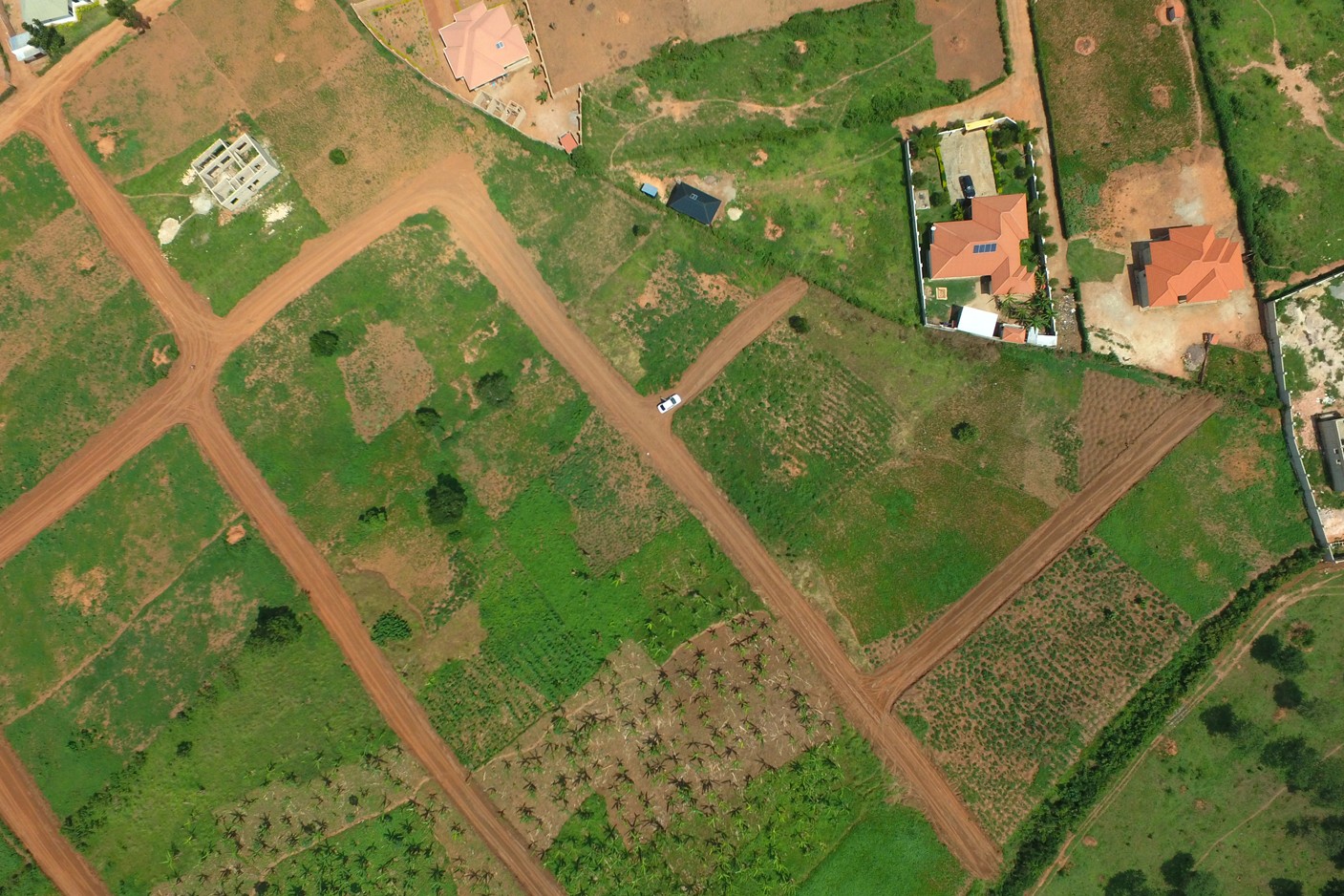
Land for sale in Mpigi, Uganda presents one of the most compelling real estate opportunities in the Central Region. With its strategic proximity to Kampala, fertile soils, expanding infrastructure, and a growing economy, Mpigi continues to attract buyers for residential homes, commercial development, agriculture, estate projects, and long‑term investment. Whether you are a first‑time land buyer, an agricultural investor, or a property developer, this comprehensive guide provides everything you need to make an informed decision about buying land in Mpigi.
This article covers district context, geography and climate, infrastructure, types of land available, key localities, price trends, legal and due‑diligence processes, investment opportunities, risk management, practical buying steps, and the long‑term outlook of the Mpigi land market.
Overview of Mpigi District
Mpigi District is located in the Central Region of Uganda, immediately west of Kampala, making it part of the broader Greater Kampala Metropolitan Area (GKMA). It shares borders with Wakiso, Butambala, Kalungu, Gomba, and Butambala Districts. The district headquarters, Mpigi Town, serves as a growing administrative and commercial hub.
The district’s landscape is a mix of fertile rolling hills, riverine valleys, and plains, supporting agriculture, residential development, and commercial ventures. Mpigi’s location along major transport routes enhances its appeal, offering a balance between rural land affordability and near‑urban accessibility.
Why Buy Land in Mpigi
Mpigi’s land market is attractive for several strategic reasons:
Proximity to Kampala
Mpigi is one of the districts closest to Kampala, making it ideal for commuters and property investors who want to benefit from rising peri‑urban demand without paying Kampala prices.
Expanding Infrastructure
Improved road networks, electricity expansion, and utility access enhance land desirability and development potential.
Fertile Soil and Agriculture
Mpigi supports diverse agriculture — from staple crops and horticulture to commercial plantations — appealing to both farmers and agribusiness investors.
Rising Residential Demand
As Kampala becomes denser and more expensive, buyers seeking affordable homes, rentals, or estate projects look toward Mpigi’s expanding neighborhoods.
Commercial and Industrial Potential
Land along major transport corridors attracts business activities — retail, service centers, logistics, agro‑processing, and small industry.
Long‑Term Appreciation
As urbanization spreads outward, land closer to Kampala’s suburbs is expected to appreciate significantly over time.
Geography and Climate
Terrain
- Rolling hills, plains, and fertile valleys throughout most of the district
- Forest patches and riverine systems feeding into larger water bodies
- Varied topography that supports diverse land use
Climate
Mpigi experiences a tropical climate with:
- Two rainy seasons (typically March–May and September–November)
- Warm temperatures year‑round
- Dry spells conducive to livestock and grazing
This climate supports year‑round agriculture and creates favorable conditions for development.
Infrastructure and Accessibility
Road Networks
Mpigi benefits from strong transport connectivity:
- Kampala–Masaka Road: A major tarmacked highway that passes through the district
- Mpigi–Katosi Road: Providing access toward the Lake Victoria shoreline and fishing communities
- Feeder roads: Linking rural parcels to trading hubs and main corridors
Easy access to major highways increases land value, particularly for commercial and residential buyers.
Utilities and Services
- Electricity: Available in most trading centers and expanding into peri‑urban and rural settlements.
- Water: Piped water in key towns; boreholes and wells in outlying areas.
- Telecommunications: Mobile networks and internet coverage are prevalent.
Land closer to utilities typically enjoys higher demand and pricing.
Types of Land Available for Sale
Mpigi’s land market includes diverse categories tailored to various buyer needs:
Residential Land
Ideal for homes, rental properties, and estate development. Common parcel sizes include:
- Quarter acre
- Half acre
- One acre
- Custom sizes for estates
Residential land near utilities and services draws strong interest.
Commercial Land
Commercial parcels are usually located:
- Along major roads and highways
- Near trading centers and bus stages
- Adjacent to high‑traffic junctions
Common commercial uses:
- Retail shops
- Service stations
- Warehouses
- Offices
- Hotels and guesthouses
Agricultural Land
Mpigi’s fertile soils support:
- Staple crop cultivation
- Horticulture (vegetables, fruits, spices)
- Cash crops
- Livestock grazing and dairy
Parcel sizes range from small farms to large agricultural tracts.
Estate Development Land
Large tracts (typically 5+ acres) are suitable for:
- Planned residential estates
- Gated communities
- Mixed‑use subdivisions
- Plot subdivision for resale
Estate developers focus on areas near utilities and in peri‑urban growth corridors.
Industrial and Investment Land
Land near highway junctions or planned infrastructure can suit:
- Light industrial projects
- Logistics and distribution hubs
- Agro‑processing sites
- Long‑term land banking
Key Localities for Land in Mpigi
Understanding where land is most actively bought helps align purchase objectives with opportunities.
Mpigi Town and Urban Periphery
Mpigi Town serves as the administrative and commercial center. Land here is desirable for:
- Residential plots
- Rental developments
- Retail and service businesses
- Institutional facilities
Proximity to schools, clinics, and government services enhances land appeal.
Kampala–Masaka Road Corridor
Parcels along this major highway are hot spots for:
- Commercial enterprises
- Transport‑related businesses
- Service stations
- Warehouses
High traffic exposure drives demand and pricing.
Gombe–Kibibi Zone
This peri‑urban belt balances accessibility with land affordability. It is popular for:
- Residential estates
- Small farms
- Mixed‑use development
Infrastructure expansion makes it attractive to developers and homeowners.
Nabuti and Kayabwe Regions
These locations appeal to buyers seeking:
- Larger agricultural tracts
- Quiet rural living
- Land banking for future development
Though farther from main highways, they offer space and lower entry prices.
Katente and Lukaya Vicinities
These localities have emerging demand for:
- Residential plots
- Commercial sites
- Institutional land
Proximity to growing population clusters boosts their value.
Land Price Trends and Market Dynamics
Prices vary widely based on location, land type, size, and infrastructure access. While specific rates change over time, general trends include:
Residential Plot Prices
- Urban and close‑in peri‑urban areas: Higher due to proximity to utilities
- Outlying residential parcels: Lower per acre with larger sizes
Residential land near schools, clinics, and transport nodes tends to appreciate faster.
Commercial Parcel Prices
- Main highway frontage: Highest due to business exposure
- Secondary roads near trading centers: Moderate pricing
Commercial land values reflect traffic visibility and customer access.
Agricultural Land Prices
- Accessible farmland near roads: Mid‑range pricing
- Remote agricultural tracts: Lower per acre
Soil quality and transport access influence pricing and development ease.
Estate and Investment Land Prices
- Growth corridor locations: Mid‑to‑high pricing
- Interior rural parcels: Lower pricing with future potential
Investors often target areas near anticipated infrastructure upgrades or peri‑urban expansion corridors.
How to Buy Land in Mpigi Safely
Purchasing land in Uganda — including Mpigi — requires careful due diligence to avoid disputes, fraud, or legal complications. Follow this structured process:
Define Your Land Purpose
Clarify whether the land is intended for:
- Residential use
- Commercial enterprise
- Agricultural production
- Estate development
- Long‑term investment
Purpose influences location, parcel size, and budget parameters.
Verify Ownership and Title
Conduct a title search at the Land Registry to confirm:
- Seller is the registered owner
- Title document is authentic and current
- Land is free from encumbrances, caveats, or disputes
Engage a qualified advocate to assist with verification.
Consult Local Authorities
Consult local leadership (LC officials, neighbors) to:
- Confirm land history and occupancy
- Clarify boundary consensus
- Identify potential claims or conflicts
Local insights often reveal issues not apparent in written documents.
Conduct a Professional Survey
Hire a licensed surveyor to:
- Mark boundary pegs accurately
- Confirm that the land matches the title’s description
- Produce an official survey plan
Accurate surveying prevents future boundary disputes.
Draft and Review Sale Agreement
A qualified advocate should:
- Review all documentation
- Draft or review the sale agreement
- Clarify payment terms and transfer procedures
- Ensure compliance with Uganda’s land laws
Legal review protects your interests and clarifies obligations.
Secure Payments Through Official Channels
Ensure payments are made via:
- Bank transfer
- Documentary financial instruments
- Receipted and witnessed transactions
Avoid unreceipted cash payments.
Register the Transfer
Once the agreement is executed:
- Submit documents to the Land Registry
- Pay stamp duty and registration fees
- Ensure the title is updated in your name
Registration finalizes legal ownership.
Legal Considerations When Buying Land
Understanding the legal framework safeguards your rights:
Types of Land Tenure
Uganda recognizes several land tenure systems:
- Freehold: Complete ownership and transfer rights
- Leasehold: Rights for a defined term
- Mailo: Perpetual ownership with possible occupants
- Customary: Traditional ownership, often convertible to formal title
Confirm tenure type before purchasing.
Taxes and Fees
Land purchases involve:
- Stamp duty
- Registration fees
- Legal fees
Include these in your budgeting.
Encumbrances and Covenants
Ensure land is free from:
- Mortgages
- Attachments
- Restrictive covenants
A clean title minimizes future legal risk.
Zoning and Planning Compliance
Check local authority regulations regarding:
- Permitted land uses
- Environmental safeguards
- Development restrictions
Compliance ensures lawful land utilization.
Use Cases for Land in Mpigi
Different buyers purchase land for varied objectives:
Residential Development
Buyers secure land to build:
- Family homes
- Rental units
- Planned estates
Residential land near utilities and services tends to appreciate faster.
Commercial Ventures
Entrepreneurs acquire land for:
- Retail shops
- Service stations
- Warehouses
- Logistic centres
Commercial land near highways yields sustained business exposure.
Agricultural Enterprises
Farmers and agribusinesses acquire land for:
- Crop cultivation
- Horticultural projects
- Livestock farming
Mpigi’s fertile soils support diversified agricultural systems.
Estate Development
Developers buy large parcels to:
- Subdivide into plots
- Build planned communities
- Sell or lease developed properties
Estate projects require planning and phased investment strategies.
Long‑Term Investment (Land Banking)
Investors purchase land to:
- Hold for future appreciation
- Subdivide and develop later
- Benefit from infrastructure improvements
Land banking is a conservative, long‑term capital growth strategy.
Practical Tips for Land Buyers
- Visit the land in person before purchase
- Confirm utility access (water, electricity, connectivity)
- Compare multiple listings for fair market value
- Document all agreements in writing
- Work with licensed professionals — advocates, surveyors, agents
- Review long‑term development plans before acquiring land
Risks and How to Mitigate Them
Boundary disputes
Mitigation: Professional survey and local authority confirmation
Fake or forged titles
Mitigation: Verified title search and legal review
Encumbrances or caveats
Mitigation: Registry checks with legal review
Infrastructure limitations
Mitigation: Confirm access rights and transport plans
Long‑Term Outlook for Mpigi Land
Mpigi’s land market is expected to continue growing, driven by:
- Urban expansion from Kampala
- Agricultural productivity improvements
- Infrastructure upgrades (roads, utilities)
- Commercial and industrial development spillover
- Increased investor interest
Land acquired today — particularly near growth corridors and emerging centres — is likely to appreciate over time as economic activity expands.
Conclusion
Land for sale in Mpigi, Uganda offers exceptional opportunities across residential, commercial, agricultural, estate development, and investment segments. With its strategic location near Kampala, fertile soils, improving infrastructure, and relatively affordable pricing, Mpigi stands out as a high‑potential land market in the Central Region.
By conducting thorough due diligence, securing legal and surveying expertise, and aligning purchases with clear objectives and risk mitigation strategies, buyers can secure land that meets their needs and delivers sustainable value over the short and long term.