
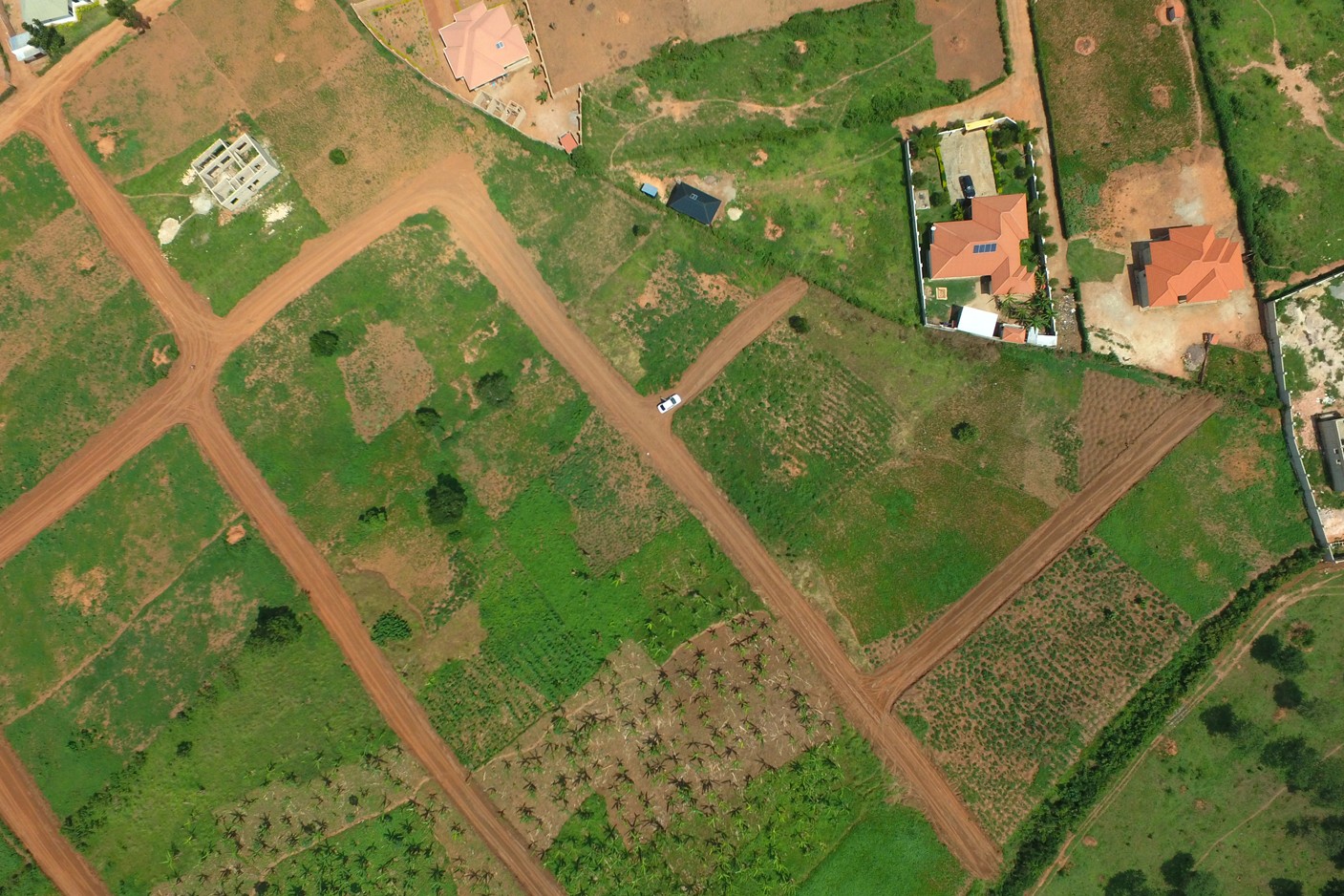
Buying land in Luweero, Uganda remains one of the most attractive property opportunities in the country’s Central Region. With fertile soils, strategic transport connections, expanding infrastructure, growing peri‑urban settlement, and relatively affordable entry prices compared with areas closer to Kampala, Luweero has steadily emerged as a strong choice for residential homeowners, farmers, commercial developers, and long‑term investors.
Introduction to Luweero District
Luweero District lies in the Central Region of Uganda, approximately 60–100 km north of Kampala along the Kampala–Gulu Highway and adjacent to major routes such as the Kampala–Masindi Road and feeder arteries that connect rural land to trading hubs. The district’s terrain features fertile agricultural plains, gently rolling hills, and expanses of land suitable for farming, residential settlement, and commercial use.
Historically noted for its agrarian base, Luweero’s proximity to Kampala — combined with its own growing towns such as Wobulenzi, Bombo, Bamunanika, Luweero Town, and Zirobwe — has elevated its appeal among land buyers looking for accessible land with both lifestyle and investment potential.
Why Buy Land in Luweero
Luweero’s land market attracts buyers for several strategic reasons:
- Strategic Location: Strong connectivity to Kampala and northern Uganda via major national highways enhances mobility and economic access.
- Affordability: Compared to peri‑urban zones nearer Kampala, Luweero offers lower per‑acre land prices with larger parcel availability.
- Agricultural Opportunity: Fertile soils and favorable rainfall patterns support commercial farming and livestock activities.
- Residential Expansion: Urban spillover and commuter settlements increase demand for residential plots.
- Commercial Potential: Trading centres along major roads present opportunities for business land acquisition.
- Long‑Term Appreciation: Land near growth corridors and infrastructure developments shows consistent value growth.
- Multiple Use Cases: From homes and farms to commercial developments and investment holdings, Luweero’s land market is multi‑sectoral.
Luweero’s Place in the Central Region Land Market
Luweero is positioned within a cluster of dynamic land markets that include Wakiso, Mukono, Mpigi, Nakasongola, and Kayunga — all influenced by proximity to Kampala and regional transport corridors. Land in Luweero attracts both local buyers and diaspora investors who see value in its relative affordability and future growth prospects.
Understanding Luweero’s land market requires a grasp of three key forces:
- Urban expansion spillover: As Kampala grows outward, demand for nearby land increases.
- Agricultural demand: Luweero remains a strong farming zone.
- Commercial infrastructure development: Road upgrades and services expand access and land usability.
Types of Land for Sale in Luweero
Buyers will encounter several major categories of land for sale, each suited to particular objectives.
Residential Plots
Residential land typically includes parcels ranging from:
- 50×100 ft
- 100×100 ft
- ¼ acre
- ½ acre
- 1 acre
These parcels are suitable for building family homes, rental units, or small estates. Demand is particularly strong in areas with access to utilities such as water, electricity, and internet.
Ideal For:
- First‑home construction
- Rental income properties
- Small residential estates
Residential plots near trading centres or major roads often appreciate faster due to convenience and demand.
Agricultural Land and Farmland
Large acreage farmland is a core part of Luweero’s land market. These parcels are used for commercial crop production, horticulture, livestock grazing, or mixed farming ventures.
Ideal For:
- Commercial cultivation (maize, beans, coffee, cassava)
- Horticulture and orchards
- Cattle, goat, and poultry farms
- Mixed agricultural enterprises
Agricultural land remains relatively reachable in price and supports both subsistence and commercial operators.
Commercial Land
Commercial parcels are typically located:
- Along major highways and feeder roads
- Near growing trading centres
- At bus terminals and high‑traffic intersections
These plots are targeted by entrepreneurs and investors wanting to operate shops, service stations, warehouses, offices, or mixed‑use commercial developments.
Ideal For:
- Shops and retail outlets
- Warehousing and logistics
- Service and repair stations
- Business premises with high visibility
Commercial land prices are influenced by traffic flow, accessibility, and proximity to local markets.
Estate Development and Large Parcel Land
Developers seeking to build planned residential estates or mixed‑use communities typically acquire larger parcels of land (5+ acres). These sites can be subdivided into smaller plots and tied into infrastructure such as internal roads, water reticulation, and power distribution.
Ideal For:
- Residential estate projects
- Mixed residential‑commercial plans
- Gated communities
Estate development requires planning, surveying, and coordination with local authorities to secure approvals.
Investment Land and Land Banking
Some buyers purchase land not for immediate development but for long‑term value appreciation — a strategy known as land banking. These parcels are often acquired near planned infrastructure upgrades or future growth corridors.
Ideal For:
- Long‑term investors
- Diaspora buyers
- Future subdivision and resale
Land banking relies on long‑term planning and patience, as value may increase significantly over time.
Price Trends in Luweero
Land prices in Luweero vary widely based on:
- Location relative to major roads and towns
- Distance from Kampala and urban centres
- Availability of utilities
- Parcel size and land use classification
- Soil fertility and landscape
Below are generalized price observations (actual current values should be verified with local agents):
Residential Plots
- Closer to major towns/hubs: higher pricing
- Peri‑urban areas with services: mid‑range
- Interior rural areas: lower pricing
Agricultural Land
- Farms near highways: moderate prices
- Remote farmland: lower but size discounted
Commercial Land
- Highway and trading junction parcels: premium pricing
- Secondary commercial zones: moderate
Investment Land
- Near growth corridors: competitive but appreciating
- Deep rural parcels: lowest entry points
Top Localities to Buy Land in Luweero
Understanding high‑value sub‑locations helps narrow your search based on goals and budget.
Wobulenzi Town and Surroundings
Wobulenzi is one of the most active land markets in Luweero due to its position along the Kampala–Gulu Highway and expanding residential and commercial activity.
Key Features:
- High demand for residential plots
- Good access to utilities and services
- Growing rental market
Common Uses:
- Homes and rental units
- Shops and small businesses
- Estate developments
Bombo and Adjacent Growth Areas
Bombo, historically known as a military and trading centre, continues to attract land buyers due to its population base and strong road connections.
Key Features:
- Accessible utilities
- Proximity to major transport routes
- Mixed residential and commercial demand
Common Uses:
- Residential subdivisions
- Commercial land parcels
- Mixed‑use development
Zirobwe and Peri‑Urban Zones
Zirobwe lies to the north of the main highway and is increasingly seen as a peri‑urban growth zone. Land here is often more affordable yet still accessible.
Key Features:
- Affordable residential plots
- Expansion of peri‑urban settlement
- Close to schools and local markets
Common Uses:
- Homes with larger plots
- Small estates
- Agriculture‑adjacent residential land
Luweero Town and Central Trading Centres
Luweero Town itself and surrounding trading hubs remain focal points for land acquisition — particularly where services, institutions, and markets co‑exist.
Key Features:
- Central access to services
- Municipal land demand
- Strong local population base
Common Uses:
- Residential and mixed‑use plots
- Business premises
- Serviced neighbourhoods
Rural Hinterland Areas
Within reach of major roads but removed from intense urban pressure, rural hinterland areas in Luweero offer deep value and acreage for larger projects.
Key Features:
- Large tracts available
- Lower pricing per acre
- Rural tranquillity and farming potential
Common Uses:
- Large farms
- Estate parcel planning
- Land banking
Infrastructure Factors That Affect Land Value
Several infrastructural elements influence land values across Luweero:
- Road Networks: Tarmacked highways, feeder roads, and bypass routes improve access and enhance land appeal.
- Utilities: Access to potable water, electricity grids, and communication networks increases land usability and resale value.
- Schools and Clinics: Proximity to social infrastructure attracts residential demand.
- Markets and Trading Centres: Sites near active markets command higher commercial land prices.
- Future Projects: Planned infrastructure (e.g., road widening, bridge works) often leads to speculative land value appreciation.
Buyers should assess infrastructure proximity as a core part of land valuation.
How to Buy Land in Luweero Safely
Purchasing land in Uganda — including in Luweero — requires careful due diligence to mitigate fraud, boundary disputes, and title issues. Below is a practical step‑by‑step guide.
Step 1: Clarify Your Land Purpose
Before beginning your search, determine the intended use:
- Residential
- Agricultural
- Commercial
- Estate development
- Long‑term investment
Knowing your purpose guides location selection, parcel size, and budget.
Step 2: Verify Land Ownership and Title
Conduct a title search at the Land Registry to confirm:
- The seller’s name matches the registered owner
- The land title is authentic and current
- There are no caveats, mortgages, or disputes
Licensed advocates or legal professionals can assist with this process.
Step 3: Local Authority Verification
Engage local leadership (LC chairperson, neighbours, community members) to confirm:
- Historical occupancy
- Boundary consensus
- Absence of competing claims
In‑field local verification often identifies issues not evident in documents alone.
Step 4: Conduct a Professional Land Survey
Hire a licensed land surveyor to:
- Confirm boundary pegs and coordinates
- Ensure the land matches the title description
- Produce a formal survey plan for registry recording
Surveying helps prevent future boundary disputes.
Step 5: Legal Counsel and Sale Agreement
A qualified land lawyer should:
- Review title documents and survey reports
- Draft or review the sale agreement
- Ensure compliance with Uganda’s land laws
- Clarify payment terms and transfer process
Legal oversight protects your rights and outlines clear terms.
Step 6: Secure Payments Through Official Channels
Ensure payments are made through:
- Bank transfers
- Documented financial instruments
- Receipted and witnessed transactions
Avoid cash payments without documentation.
Step 7: Register the Land Transfer
After signing the sale agreement:
- Submit transfer documents to the Land Registry
- Pay stamp duty and registration fees
- Confirm the title is updated in your name
Registration confirms legal ownership.
Legal Considerations When Buying Land
Understanding the legal framework reduces risk:
Types of Tenure
Uganda recognises multiple tenure systems:
- Freehold: Full ownership and transfer rights
- Leasehold: Rights for a specified period
- Mailo: Perpetual ownership with potential occupants
- Customary: Traditional tenure, convertible to formal title
Confirm tenure type before purchase.
Taxes and Fees
Land purchases incur:
- Stamp duty
- Registration fees
- Legal fees
Include these in your budget.
Encumbrances and Caveats
Ensure the land is free from:
- Mortgages
- Court attachments
- Caveats
- Restrictive covenants
A clear title prevents future legal disputes.
Zoning and Planning Regulations
Check local authority plans for:
- Land use permissions
- Environmental constraints
- Development restrictions
Compliance ensures lawful development.
Use Cases for Land in Luweero
Different buyers pursue land for specific purposes:
Residential Development
Buyers often acquire land to build:
- Family homes
- Rental properties
- Townhouses or gated communities
Residential land near services tends to appreciate.
Agricultural Enterprises
Farmers and agribusinesses buy land for:
- Crop production
- Plantation farming
- Livestock rearing and dairy
Luweero’s fertile soils support diversified agriculture.
Commercial Ventures
Entrepreneurs purchase land for:
- Shops and retail outlets
- Warehouses and logistics
- Service stations
- Mixed‑use hubs
Commercial land along major roads yields consistent returns.
Estate Development
Developers secure land to:
- Subdivide into residential plots
- Build planned communities
- Sell or rent developed units
Estate projects require planning, marketing, and phased investment.
Investment Land Banking
Investors acquire land to:
- Hold for value appreciation
- Sell when infrastructure improves
- Subdivide or develop later
Land banking is a long‑term growth strategy.
Practical Tips for Land Buyers
- Inspect the land personally before purchase
- Confirm utility access (water, electricity, communications)
- Compare multiple properties to understand fair market value
- Document all agreements in writing
- Work with licensed professionals (advocates, surveyors, agents)
Risks and How to Mitigate Them
Boundary disputes
Mitigation: Professional survey and local verification
Fake or forged titles
Mitigation: Rigorous title search and legal review
Undisclosed encumbrances
Mitigation: Registry checks and advocate verification
Access restrictions
Mitigation: Confirm rights of way and easements
Long‑Term Outlook for Luweero Land
Luweero’s land market is poised for continued growth supported by:
- Population expansion and urban spillover
- Infrastructure upgrades (roads, utilities)
- Rising residential and commercial demand
- Agricultural investment interest
Land acquired today — especially near growth corridors and infrastructure — is likely to appreciate substantially over time.
Conclusion
Buying land in Luweero, Uganda offers diverse opportunities for residential homebuyers, agricultural investors, commercial developers, estate planners, and long‑term land bankers. Strategic location, fertile soils, expanding infrastructure, and growing demand combine to make Luweero an attractive and dynamic land market. With disciplined due diligence, legal support, and a clear investment strategy, buyers can secure land that meets their goals and delivers sustainable value.