
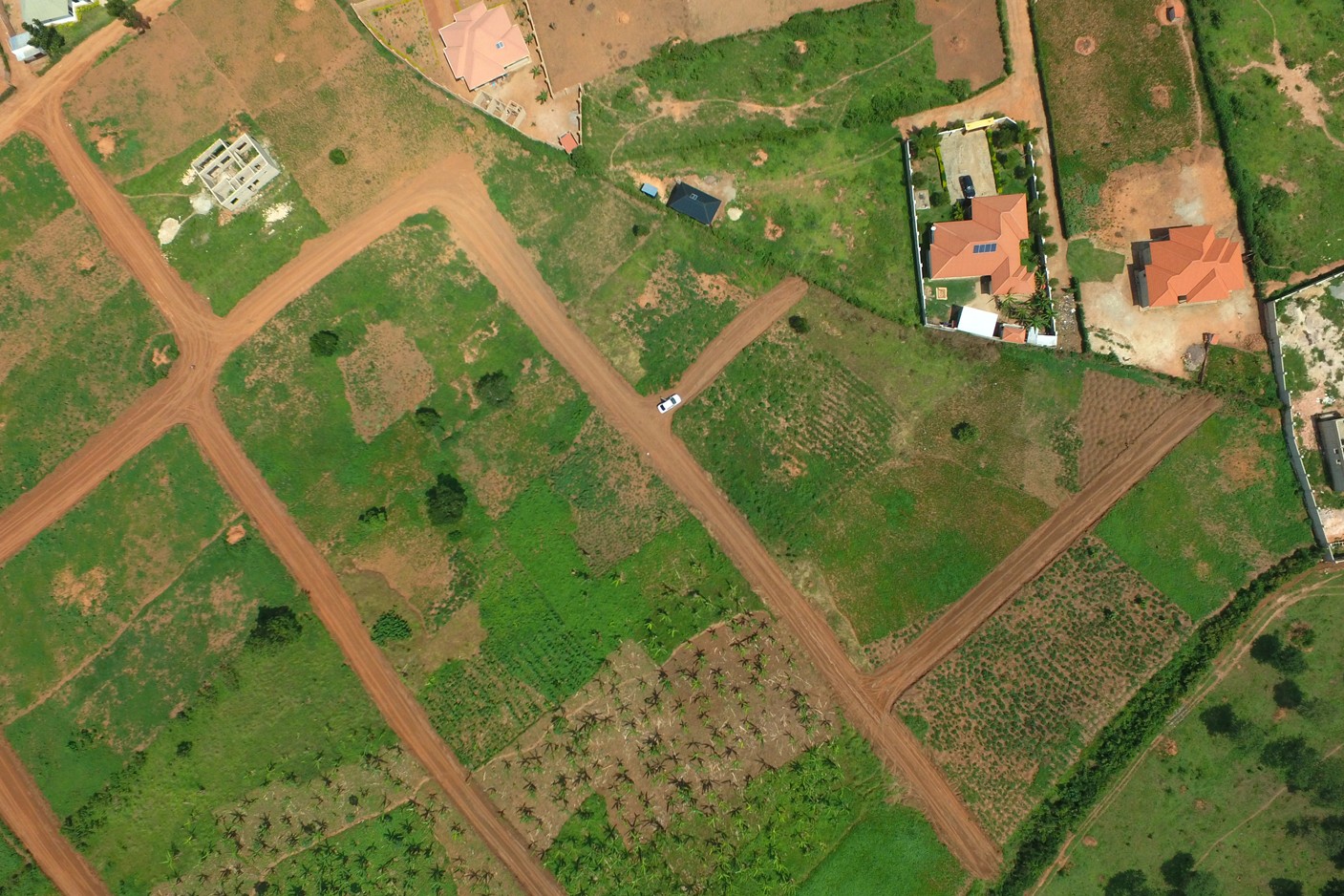
Land for sale in Kiboga, Uganda presents a compelling option for buyers seeking residential plots, agricultural acreage, commercial land, estate parcels, or long‑term investment property in a strategically located district of Uganda’s Central Region. Kiboga’s location along key transport corridors, fertile soils, evolving infrastructure, and relative affordability have made it an emerging destination for individuals, investors, and developers.
This comprehensive guide provides a deep and practical exploration of the Kiboga land market. It covers the district profile, top buying locations, price trends, land types, investment opportunities, legal considerations, due‑diligence steps, risks and mitigation strategies, and how to buy land safely in Kiboga. By the end of this article, you will have an authoritative resource to guide your land purchase with confidence.
Introduction to Kiboga District
Kiboga District lies in the Central Region of Uganda, positioned north of the more urbanised districts like Mubende and north‑west of Kampala. It occupies a strategic location along the Kampala–Hoima Road and the Kiboga–Kampala Highway, which strengthens its connectivity to major urban centres, trading hubs, and logistical routes.
The geography of Kiboga blends fertile plains with gently rolling hills, offering productive land for farming, residential development, and commercial use. The district’s economy is traditionally driven by agriculture and has increasingly attracted attention for residential expansion, peri‑urban growth, and investment land acquisition.
Why Buyers Are Interested in Land in Kiboga
Several structural factors make land for sale in Kiboga appealing:
- Strategic Connectivity: Proximity to Kampala via major highways makes Kiboga accessible for commuters and investors.
- Affordable Land Prices: Compared to peri‑urban districts close to Kampala, land in Kiboga remains competitively priced.
- Agricultural Potential: Fertile soils support a range of crops and livestock farming.
- Growing Population Centres: Towns within Kiboga are expanding, increasing demand for residential plots and supporting services.
- Investment Value: As infrastructure improves and population spreads, land values have shown steady appreciation.
- Diverse Land Use: Buyers can secure land for homes, farms, commercial ventures, estates, or long‑term holding.
Understanding these demand drivers helps position a purchase strategy that aligns with both short‑term use and long‑term value.
District Overview: Geography, Infrastructure, and Economy
Kiboga is characterized by:
- Geographic Position: Centrally located in a growth corridor linking Kampala, Hoima, and western Uganda.
- Road Networks: Major highways connect the district to national transport routes, facilitating trade and movement of goods.
- Natural Resources: Fertile soils and a climate supportive of a range of agricultural activities.
- Economic Base: Agriculture remains core, with small‑scale commercial activities emerging around trading centres.
These structural elements create a land market that supports diversified use cases and evolving demand patterns.
Main Localities With Land for Sale in Kiboga
Land availability and pricing in Kiboga vary by locality, each with distinct characteristics and opportunities. Below are major zones where buyers commonly acquire land:
Kiboga Town and Urban Periphery
Kiboga Town is the administrative and commercial hub of the district. It has witnessed population growth, rising services, schools, and small business expansion.
Key Attributes:
- Strong demand for residential plots near services
- Commercial land opportunities along main roads
- Infrastructure access (water, electricity, schools, clinics)
Land Uses:
- Homes and rental units
- Shops, office spaces
- Mixed‑use developments
Pricing Summary:
Plots close to the town centre and along well‑traveled roads generally command higher prices than interior rural land.
Kyankwanzi Road Zones
The Kyankwanzi Road corridor connects Kiboga to broader regional networks and has become a focal area for buyers seeking affordable land with accessibility.
Key Attributes:
- Lower per‑acre prices than central Kiboga
- Fresh peri‑urban growth areas
- Attractive for residential and agricultural buyers
Land Uses:
- Homes on larger plots
- Medium‑scale farming
- Estate development
Pricing Summary:
Value per plot is affordable, with variations depending on distance from main arteries and accessibility.
Kagadi and Rural Hinterlands
The outlying rural areas of Kiboga — including farming communities and hinterland zones — offer large tracts of agricultural land at lower per‑acre pricing.
Key Attributes:
- Suitable for commercial farming, horticulture, and livestock
- Quiet rural environment ideal for retreats or country homes
- Larger contiguous land holdings
Land Uses:
- Crop farms
- Plantation crops
- Livestock ranches
Pricing Summary:
Lower prices reflect rural distance but favor buyers looking for large acreage or agricultural prospects.
Kyabugimbi and Peri‑Urban Growth Zones
Near trading centres and feeder roads, areas such as Kyabugimbi show peri‑urban expansion. These zones attract buyers for residential plots, rental housing, and small estates.
Key Attributes:
- Balanced access to services and open land
- Growing residential demand
- Moderate pricing
Land Uses:
- Residential parcels
- Mixed agriculture
- Small‑scale commercial units
Pricing Summary:
Values are between urban fringe pricing and deep rural land, offering flexible buyer options.
Types of Land Available for Sale in Kiboga
Buyers in Kiboga can choose from several land categories — each suited to specific objectives:
Residential Plots
Smaller parcels (e.g., 50×100 ft, 100×100 ft, ¼ acre, ½ acre) designed for immediate building and occupancy.
Best Applications:
- Family homes
- Rental units
- Small estates
Residential land near town centres tends to appreciate faster due to growing demand for housing.
Agricultural and Farmland
Larger acreage tracts suitable for commercial and subsistence agriculture, especially where soils are fertile and water access is stable.
Best Applications:
- Commercial crop production (coffee, maize, beans)
- Horticulture
- Livestock ranching
These parcels are often purchased by farmers, agribusinesses, or investors seeking productive land.
Commercial Land
Parcels close to major transport routes, trading centres, or high‑traffic areas with visibility and accessibility.
Best Applications:
- Retail shops
- Warehouses
- Petrol stations
- Logistics hubs
Commercial land typically commands higher values due to business potential.
Estate Development Land
Large blocks of land suitable for planned subdivisions or estate projects. Developers often acquire such parcels, subdivide them, and sell or lease smaller plots.
Best Applications:
- Residential estate communities
- Mixed‑use developments
- Gated housing projects
The development of such land requires planning, surveying, and real‑estate marketing strategies.
Investment Land
Land acquired for long‑term appreciation, held with the expectation of higher future values as infrastructure and demand increase.
Best Applications:
- Land banking
- Future subdivision
- Strategic holding near planned infrastructure upgrades
Investment land may remain undeveloped for periods but gains value over time.
Price Trends in Kiboga
Land pricing in Kiboga varies based on location, land type, access to infrastructure, and proximity to services. Although prices fluctuate with market conditions, general trends observed include:
Residential Plot Prices
- Plots close to Kiboga Town centre: Higher relative prices due to urban demand
- Fringe peri‑urban plots: Moderate pricing with room for appreciation
- Interior rural residential plots: Lower prices, larger sizes available
Residential plot pricing typically reflects demand for proximity to schools, clinics, shops, roads, and utilities.
Agricultural Land Prices
- Fertile, well‑accessible farmland: Moderate pricing due to productivity and market access
- Remote rural farmland: Lower per‑acre pricing reflecting accessibility limitations
Agricultural land tends to be priced lower than residential parcels but may offer higher economic returns when used productively.
Commercial Land Prices
- Roadside and trading centre land: Command premium prices based on business prospects
- Secondary commercial parcels: Moderate pricing depending on visibility and traffic
Commercial land pricing reflects potential rental income and business revenue.
Investment Land Prices
- Strategic land near planned infrastructure: Appreciating value
- Deep rural land: Lower pricing but slower appreciation
Investment land pricing is influenced by future growth expectations rather than immediate use.
Demand Drivers in Kiboga’s Land Market
The following factors shape demand for land in Kiboga:
- Residential migration: Individuals seeking affordable homes outside urban cores
- Agricultural investment: Demand from farmers and agribusiness
- Commercial development: Entrepreneurs establishing businesses along key corridors
- Speculative investment: Land bankers anticipating future infrastructure upgrades
- Peri‑urban expansion: Population spread from urban centres toward growth corridors
These demand drivers interact to create a dynamic and multi‑segment land market.
How to Buy Land in Kiboga Safely
Purchasing land in Uganda requires careful due diligence to avoid disputes, fraud, or title issues. The following steps outline a structured and safe land acquisition process:
Step 1: Clarify Your Land Purpose
Define whether your purchase is for:
- Residential home building
- Agricultural investment
- Commercial development
- Estate subdivision
- Long‑term investment
Clarity of purpose helps narrow search criteria and due‑diligence focus.
Step 2: Verify Ownership and Title
Before entering any negotiation, conduct a title search with the appropriate Land Registry to confirm:
- The seller is the registered owner
- The land title is authentic
- There are no disputes, caveats, or encumbrances
Legal professionals can assist with this verification.
Step 3: Engage Local Authorities
Meet with local leaders such as Village Chairpersons, LC officials, and neighbors to:
- Confirm the history of land occupancy
- Clarify boundary understandings
- Validate that no competing claims exist
Local verification often reveals insights not visible in documents alone.
Step 4: Conduct a Professional Survey
Hire a licensed land surveyor to:
- Confirm the physical boundaries of the land match the title
- Mark boundary pegs
- Produce a survey plan that can be recorded with the Registry
Accurate surveying prevents future boundary disputes.
Step 5: Use Legal Counsel
A qualified advocate should:
- Review documentation (title, survey, encumbrance checks)
- Draft or review the sale agreement
- Clarify payment terms and conditions
- Assist with the transfer process
Legal input ensures compliance with Ugandan land laws.
Step 6: Secure Payment Through Official Channels
Avoid cash payments. Use:
- Bank transfers
- Documented financial instruments
- Receipted payments witnessed by legal representatives
Maintain clear records of all financial transactions.
Step 7: Register the Land Transfer
Finalise the process by:
- Filing all required documents with the Land Registry
- Ensuring the title is updated in your name
- Paying applicable stamp duty and registration fees
Registration confirms legal ownership.
Legal Considerations in Kiboga Land Transactions
Understanding local and national land laws is critical:
Types of Land Tenure
Uganda recognises multiple tenure systems:
Freehold: Full ownership rights.
Leasehold: Rights for a fixed term.
Mailo: Perpetual ownership, sometimes with occupants.
Customary: Traditional ownership, normally converted to formal title.
Know the type of tenure before purchase.
Stamp Duty and Taxes
Purchasing land incurs:
- Stamp duty
- Registration fees
- Legal fees
Budget for these expenses in addition to purchase price.
Encumbrances and Covenants
Ensure land is free from:
- Caveats
- Mortgages
- Legal disputes
- Government claims
A clean title provides peace of mind and security.
Land Use Planning and Zoning
Confirm with local authorities:
- Allowed land uses
- Any planning restrictions
- Impact of future development plans
Compliance safeguards future development.
Common Uses of Land in Kiboga
Different buyers pursue land for diverse purposes. Below are common use cases:
Residential Development
Buyers seeking residential land target:
- Homes for families
- Rental homes for income
- Estate community development
Residential land near services and roads tends to appreciate faster.
Agricultural Production
Large farmland parcels support:
- Crop cultivation (coffee, beans, maize, horticulture)
- Livestock farming
- Commercial agricultural enterprises
Fertile soils make Kiboga attractive for farming.
Commercial Ventures
Commercial buyers seek:
- Roadside shops
- Warehouses
- Service stations
- Logistics centres
Business land demand reflects traffic flows and population centres.
Estate and Subdivision Projects
Developers often acquire large parcels for:
- Subdivision into residential plots
- Planned communities
- Gated estates
These projects require planning and marketing strategies.
Investment Land Banking
Investors secure land for long‑term value appreciation, particularly:
- Near planned infrastructure
- Around expanding town centres
Holding land as an asset can yield gains over time.
Practical Tips for Land Buyers
- Visit the site: Assess land conditions and surroundings in person
- Check utilities: Confirm access to water, electricity, and road networks
- Compare multiple listings: Understand fair market value
- Document everything: Written agreements protect both parties
- Use professionals: Surveyors, advocates, and agents reduce risk
Risks and How to Mitigate Them
Boundary disputes
Mitigation: Professional survey and local confirmation.
Fake titles or fraud
Mitigation: Rigorous title verification and legal review.
Access challenges
Mitigation: Confirm road access and easements.
Zoning restrictions
Mitigation: Local authority planning checks.
Long‑Term Outlook for Kiboga Land
Kiboga’s long‑term land value prospects are supported by:
- Continued infrastructure upgrades
- Population growth and peri‑urban expansion
- Increased investor interest
- Strategic location linking regional markets
Land purchases made today, particularly near growth corridors, are likely to appreciate over time.
Conclusion
Land for sale in Kiboga, Uganda offers diverse opportunities for residential homeowners, agricultural investors, commercial developers, estate planners, and long‑term asset holders. With strategic location, fertile soils, and evolving infrastructure, Kiboga’s land market continues to attract attention from a wide buyer base. By applying disciplined due diligence, engaging legal counsel, and understanding market dynamics, buyers can secure land that aligns with their goals and captures long‑term value.