
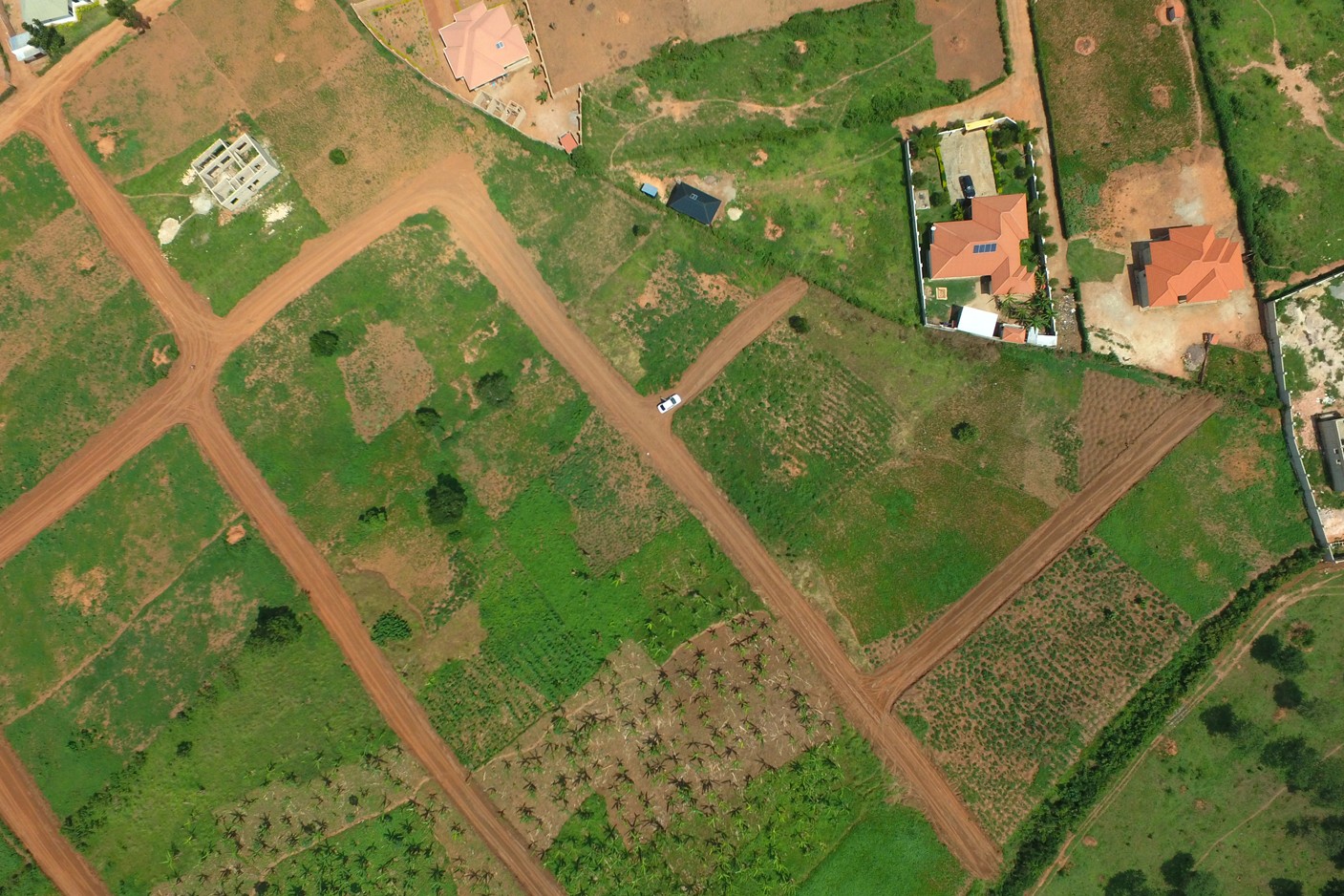
Land for sale in Kayunga, Uganda presents a wealth of opportunity for individuals, families, farmers, commercial developers, and long‑term investors seeking property in one of the Central Region’s dynamic and evolving land markets. Kayunga offers a strategic geographic position, fertile soils, proximity to the Victoria Nile and River Sezibwa, improving infrastructure, and rising demand for residential, agricultural, and commercial land. Whether you are looking to build a home, start an agribusiness, develop an estate, or acquire investment land, Kayunga’s landscape supports diverse land use objectives.
This article serves as a comprehensive and authoritative guide to everything you need to know about buying land in Kayunga — covering district overview, land types, pricing trends, key localities, legal and due‑diligence processes, risk mitigation, use cases, buyer profiles, and a step‑by‑step process to buying land safely.
Overview of Kayunga District
Kayunga District is located in Central Uganda, bordered by Nakasongola in the north, Mukono in the south, Luweero in the west, and Kamuli in the east. The district’s terrain features a mix of fertile plains, rolling hills, wetlands, and proximity to major water bodies — particularly in the northern and eastern sections. Kayunga Town serves as the administrative and economic centre, with trading hubs and secondary centres distributed across the district.
Kayunga’s economy is primarily agricultural. However, as transport infrastructure improves and urban expansion spreads outward from nearby districts (including Mukono and Luweero), land in Kayunga is gaining attention from a broader range of buyers.
Why Buy Land in Kayunga
Investors and land buyers are increasingly drawn to Kayunga for several key reasons:
- Strategic Location: Kayunga’s proximity to major towns such as Mukono, Jinja, and Kampala enhances its accessibility and value.
- Fertile Soils: Soils in many parts of Kayunga are conducive to both subsistence and commercial farming, including crop cultivation, horticulture, and livestock.
- Affordable Entry Prices: Land in Kayunga is often more affordable per acre than land closer to Kampala or major urban centres.
- Transport and Infrastructure Growth: Road upgrades and connectivity to national highways improve access and potential land value.
- Diversified Land Uses: Buyers can acquire land for residential, commercial, agricultural, investment, or estate development purposes.
- Population Growth and Demand: As population expands and settlement grows along transport corridors, demand for residential plots and rental accommodation is rising.
- Investment Appreciation: As infrastructure expands and economic activity grows, land values in Kayunga have shown consistent appreciation potential.
The Land Market in Kayunga District
The Kayunga land market is shaped by a combination of agricultural demand, peri‑urban expansion, and growing commercial interest. Key trends include:
- Residential Demand: Driven by families and first‑time buyers seeking affordable housing land close to services and amenities.
- Agricultural Demand: Local and external buyers seeking fertile farmland for commercial crop production, horticulture, and livestock.
- Commercial Development: Increasing interest in roadside parcels and trading hubs for small business growth.
- Investment Land: Larger parcels acquired by investors for future development or land banking.
The market is active but not oversaturated, meaning early engagement with professional buyers often leads to attractive land holdings before competition intensifies.
Key Localities With Land for Sale in Kayunga
Land in Kayunga is available across multiple sub‑locations, each serving specific buyer needs and price ranges. Below are the major zones where land is actively bought and sold:
Kayunga Town and Urban Periphery
Kayunga Town is the administrative and commercial heart of the district. Land here is in highest demand due to access to utilities, services, schools, and markets.
Key Features:
- Proximity to hospitals, schools, banks, and marketplaces
- Access to piped water and electricity
- Strong demand from urban and peri‑urban buyers
- Nearby trading centres for commercial activity
Common Land Uses:
- Residential plots
- Rental housing
- Small commercial ventures
- Mixed‑use developments
Price Characteristics:
Urban core land prices are highest in the district due to demand and existing infrastructure.
Busaana and Peri‑Urban Zones
Busaana and other peri‑urban zones offer a balance of accessibility and affordability. These areas are typically closer to major roads and provide land suitable for both residential and agricultural purposes.
Key Features:
- Easier access than rural hinterlands
- Expanding residential demand
- Proximity to markets and transport routes
Common Land Uses:
- Residential plots
- Medium‑sized estate development
- Mixed agriculture
Price Characteristics:
Prices here are moderate, reflecting growing demand and development potential.
Galiraya and Riverside Areas
The Galiraya area, located closer to the Victoria Nile and wetlands, offers scenic and agricultural land. Land near water bodies holds appeal for both farming and eco‑tourism oriented projects.
Key Features:
- Scenic riverine and lakeside land
- Rich agricultural soils
- Potential for tourism and recreation development
Common Land Uses:
- Agricultural farms
- Recreational estates
- Retreats and eco‑tourism properties
Price Characteristics:
Prices vary significantly by proximity to water and road access, with riverside and lakeside parcels commanding premiums.
Kiziki, Kangulumira, and Rural Hinterlands
These rural hinterland areas host large acreage parcels suitable for commercial farming, cattle ranching, and land banking. Land here is often significantly cheaper per acre but may require investment in accessibility improvements.
Key Features:
- Large contiguous acreage availability
- Low initial cost per acre
- Rural lifestyle environment
Common Land Uses:
- Commercial agriculture
- Livestock and mixed farming
- Long‑term land banking
Price Characteristics:
Lower per‑acre pricing reflecting rural access and lower immediate demand, but with strong future value potential.
Aduku and Road Corridor Zones
Parcel clusters along major road corridors that connect Kayunga to neighbouring districts also attract buyers. These zones are strategically located for:
- Commercial activities
- Residential growth
- Logistics and service businesses
Key Features:
- Roadside visibility
- Good transport access
- Near trading hubs
Common Land Uses:
- Shops and retail outlets
- Warehouses and storage
- Service stations
- Residential plots
Price Characteristics:
Land along major roads commands higher prices relative to interior rural zones due to business potential.
Types of Land Available for Sale in Kayunga
Different land categories suit varied buyer objectives. Key types include:
Residential Plots
Residential plots typically range from 50×100 ft, 100×100 ft, ¼ acre, ½ acre, and up to 1 acre and are ideal for building homes, rental units, or small estates.
Best For:
- Families and first‑time buyers
- Rental property investors
- Mid‑income housing developments
Demand Trends:
- Rising interest near urban centres and peri‑urban zones
- Higher values closer to utilities and services
Agricultural and Farmland
Large acreage farmland remains popular due to Kayunga’s fertile soils and agricultural productivity. Farmland is primarily used for crop cultivation, livestock, horticulture, and agro‑enterprises.
Best For:
- Crop farms (coffee, bananas, maize, horticulture)
- Livestock grazing
- Commercial agribusiness
Demand Trends:
- Local farmers and agribusiness investors show steady interest
- parcels with better road access and water sources command premiums
Commercial Land
Commercial land refers to parcels near major transport routes, trading hubs, and high‑traffic intersections, ideal for business development.
Best For:
- Shops and retail outlets
- Warehouses and logistics
- Service stations
- Offices and mixed commercial units
Demand Trends:
- Entrepreneurs targeting business visibility
- Investors seeking rental income options
Estate Development Land
Estate development land refers to larger parcels (commonly 5 acres or more) that can be subdivided into residential plots or developed into planned communities.
Best For:
- Real‑estate developers
- Planned housing estates
- Mixed‑use communities
Demand Trends:
- Developers targeting peri‑urban growth corridors
- Investors with medium‑term return horizons
Investment Land (Land Banking)
Investment land is typically purchased for long‑term appreciation rather than immediate development.
Best For:
- Strategic holding near planned infrastructure
- Long‑term capital growth
- Future resale
Demand Trends:
- Diaspora investors
- High‑net‑worth land bankers
- Long‑term value investors
Price Trends in Kayunga
Land prices in Kayunga vary based on location, land type, proximity to roads, services, and utilities, as well as market demand. While exact prices fluctuate with market conditions, general trends include:
Residential Plot Prices
- Urban and peri‑urban plots: Higher due to proximity to services and amenities
- Fringe peri‑urban plots: Moderate, reflecting growing demand
- Rural residential parcels: Lower, offering larger sizes at affordable entry
Residential land close to town centres, schools, and clinics often appreciates faster due to demand.
Agricultural Land Prices
- Accessible farmland near roads: Mid‑range pricing
- Remote farmland: Lower pricing, often requiring access improvements
Farmland value reflects both productivity potential and ease of transporting produce.
Commercial Parcel Prices
- Road corridor parcels: Higher due to visibility and business potential
- Trading centre land: Mid‑range pricing reflecting local commerce
Commercial land values reflect current and anticipated business activity.
Investment Land Prices
- Growth corridor land: Mid to high pricing based on future prospects
- Deep rural land: Lower pricing with longer appreciation timelines
Investment land pricing is influenced by future growth expectations rather than immediate use.
Demand Drivers in Kayunga’s Land Market
Several key forces shape demand for land in Kayunga:
- Residential migration as families seek affordable homes
- Agricultural expansion driven by farm and agribusiness investors
- Commercial development interest in roadside and trading areas
- Peri‑urban growth as development radiates outward from centres
- Speculative investment anticipating future infrastructure upgrades
These drivers create a multi‑layered land market that caters to varied buyer objectives.
How to Buy Land in Kayunga Safely
Buying land in Uganda — including in Kayunga — requires structured due diligence to avoid disputes and ensure a secure transaction. Below is a step‑by‑step guide:
Step 1: Clarify Your Land Purpose
Before beginning your search, confirm whether your purchase intention is:
- Residential
- Agricultural
- Commercial
- Estate development
- Land banking
This clarity helps streamline your search criteria.
Step 2: Verify Ownership and Title
To avoid land disputes, conduct a title search at the Land Registry to confirm:
- The seller is the registered owner
- The title is valid and authentic
- There are no caveats, disputes, or encumbrances
Professional advocates can assist with document verification.
Step 3: Local Verification
Engage local stakeholders — such as Local Council officials and neighbouring occupants — to confirm:
- The land’s occupancy history
- Boundary agreement consensus
- Absence of competing claims
Local insight often reveals issues not visible in documentation.
Step 4: Professional Land Survey
Hire a licensed land surveyor to:
- Mark and verify boundary pegs
- Confirm the land’s size matches the title
- Produce a survey plan for registration
Accurate surveying safeguards against future boundary disputes.
Step 5: Legal Review and Sale Agreement
A qualified advocate should:
- Review documentation
- Draft or review the sale agreement
- Confirm payment terms and transfer procedures
- Ensure compliance with Uganda’s land laws
Legal guidance eliminates loopholes or misinterpretations.
Step 6: Secure Payments
Payments should be made via:
- Bank transfers
- Official financial instruments
- Receipted transactions witnessed by legal representatives
Avoid cash payments without documentation.
Step 7: Register the Land Transfer
After payment and agreement execution:
- Submit all required documents to the Land Registry
- Pay stamp duty and registration fees
- Ensure the title is updated in your name
Registration confers legal ownership.
Legal Considerations When Buying Land
Understanding Uganda’s land laws ensures clarity and compliance:
Land Tenure Types
Uganda recognises several tenure systems:
- Freehold: Complete ownership rights
- Leasehold: Rights for a fixed term
- Mailo: Perpetual, but may involve occupants
- Customary: Traditional rights often convertible to formal titles
Know the tenure type before purchase.
Taxes and Fees
Purchasing land also involves:
- Stamp duty
- Registration fees
- Legal fees
Factor these into your budget.
Encumbrances and Caveats
Ensure the land is free from:
- Mortgages
- Court attachments
- Caveats
- Undisclosed claims
A clean title ensures clear ownership.
Local Planning and Environmental Regulations
Check with local authorities for:
- Allowed land uses
- Zoning compliance
- Environmental safeguards
This prevents future restrictions on development.
Use Cases for Land in Kayunga
Different buyers pursue land in Kayunga for varied objectives, including:
Residential Development
Buyers seeking land for:
- Family homes
- Rental property portfolios
- Medium‑density residential communities
These properties usually appreciate with infrastructure access.
Agricultural Enterprises
Commercial farmers and agribusinesses acquire land for:
- Crop production
- Plantation farming
- Livestock and poultry operations
Kayunga’s soils and climate support diversified agriculture.
Commercial Ventures
Entrepreneurs acquire land for:
- Retail shops
- Warehouses
- Service stations
- Logistics hubs
Commercial land near major roads yields business returns.
Estate Development
Developers secure large parcels to:
- Subdivide into residential plots
- Build planned communities
- Sell or lease developed units
Estate development is common where population growth is strong.
Land Banking
Investors buy land to:
- Hold for long‑term appreciation
- Sell when infrastructure improves
- Subdivide at higher future prices
Land banking is a core strategy for long‑term value creation.
Practical Tips for Buyers
- Visit land physically
- Confirm utility access (water, electricity, internet)
- Compare multiple listings
- Verify infrastructure plans
- Document all agreements in writing
- Engage licensed professionals
Risks and How to Mitigate Them
Boundary disputes
Mitigation: Professional survey and local verification
Fake or forged titles
Mitigation: Title search and legal review
Unclear encumbrances
Mitigation: Registry checks and advocate review
Access restrictions
Mitigation: Confirm access rights of way
Long‑Term Outlook for Kayunga Land
Kayunga’s land market shows positive long‑term prospects due to:
- Continued infrastructure improvements
- Population and peri‑urban growth
- Agricultural productivity
- Commercial and investment demand
Land acquired today — particularly near growth corridors and infrastructure developments — is likely to appreciate significantly over time.
Conclusion
Land for sale in Kayunga, Uganda offers diverse opportunities for residential buyers, agricultural investors, commercial developers, estate planners, and long‑term land bankers. With strategic location, fertile soils, expanding infrastructure, and growing demand, the Kayunga land market continues to attract attention from local and international buyers. Through disciplined due diligence, professional legal support, and clear investment criteria, buyers can secure land that meets their goals and delivers sustainable value.