
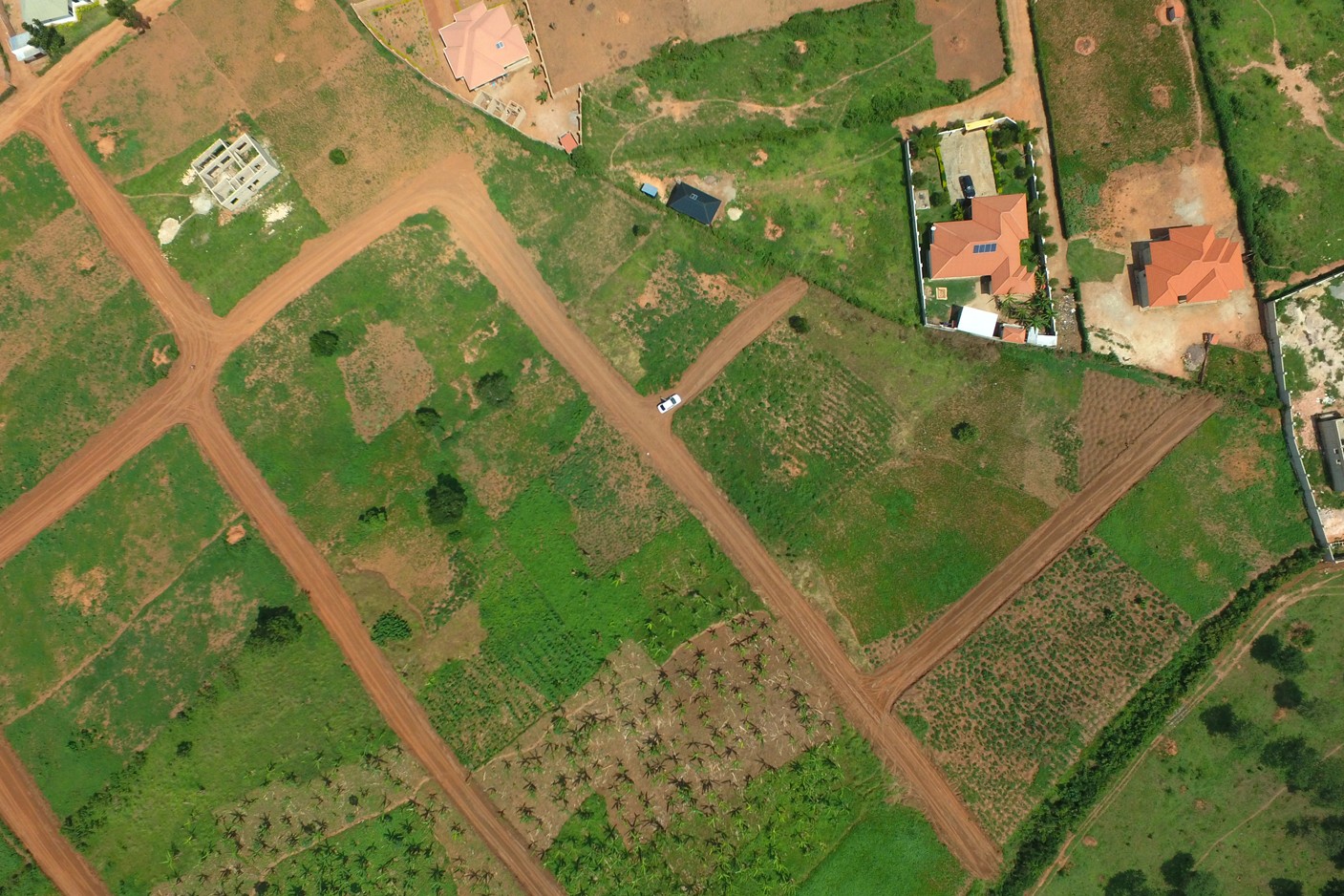
Land for sale in Kampala, Uganda represents one of the most sought‑after real estate assets in the country. As Uganda’s capital, economic core, political seat, and cultural hub, Kampala’s land market combines high demand, limited supply, strong investment returns, and diverse use cases. Whether your objective is residential development, commercial enterprise, mixed‑use projects, industrial logistics, institutional facilities, eco‑tourism, or long‑term investment (land banking), understanding how land is transacted and valued in Kampala is essential for a secure, strategic purchase.
This comprehensive guide gives you a complete, practical view of land for sale in Kampala — covering city context, geography and climate, types of land available, major localities, pricing and market dynamics, legal and due‑diligence processes, practical steps to buy safely, investment use cases, risk factors, and the long‑term outlook.
Overview of Kampala City and Its Land Market
Kampala is Uganda’s largest urban centre and chief metropolitan area. As the capital city, Kampala is the seat of national government, international missions, major corporate headquarters, financial institutions, universities, hospitals, and large commercial developments. The city’s annual urbanisation rate remains high, stimulating constant demand for land — both within established neighbourhoods and in emerging peri‑urban zones.
Limited territorial boundaries combined with strong demand make land in Kampala a rare and valuable commodity. This scarcity — along with ongoing infrastructure expansion and population growth — drives premium land pricing and substantial appreciation potential.
City Geography and Urban Fabric
Kampala is built on and around multiple hills and valleys that slope gently toward Lake Victoria. Its geography influences settlement patterns, transport networks, and land use planning:
- Hilly zones (e.g., Kololo, Nakasero) are often premium residential and institutional districts.
- Flat corridors along major highways accommodate commercial and mixed‑use developments.
- Valley and lakeshore areas offer recreational, waterfront, and eco‑tourism land opportunities.
- Satellite neighbourhoods and peri‑urban zones (e.g., Nansana, Kira, Bweyogerere) provide land at slightly lower prices yet retain strong growth potential.
Climate
Kampala experiences a tropical rainforest climate with:
- Two rainy seasons — typically March–May and September–November.
- Warm temperatures year‑round.
- High humidity, especially near Lake Victoria.
These conditions support residential comfort and year‑round construction activity, as well as urban landscaping.
Types of Land for Sale in Kampala
Land in Kampala can be categorised into several primary types based on use, location, and development potential:
Residential Land
These plots are suitable for:
- Family homes
- Rental properties
- Apartments and condominiums
- Gated estates
Residential land varies from small urban plots (e.g., 20×40 ft, 30×60 ft) to larger standard parcels (¼ acre, ½ acre, 1 acre), depending on proximity to services and neighbourhood character.
Where Residential Land Is Most Active:
- Kololo
- Naguru
- Bugolobi
- Bukoto
- Ntinda
- Makindye
- Kireka
- Kisasi
Plot demand is particularly strong near schools, clinics, supermarkets, and transport nodes.
Commercial Land
Commercial land in Kampala is typically found along major roadways, business hubs, and high‑traffic junctions. It is suitable for:
- Retail outlets
- Shopping centres
- Office parks
- Restaurants and entertainment venues
- Hotels and guesthouses
Hotspots for Commercial Land:
- CBD and downtown streets
- Along Kampala–Jinja Road
- Along Entebbe Road
- Lugogo and Wampeewo corridors
Commercial parcels command high premiums in established business districts.
Mixed‑Use Land
Mixed‑use land supports combined residential and commercial development, such as:
- Retail on ground floor with residential units upstairs
- Office suites integrated with residential spaces
- Live‑work communities
- Transit‑oriented development
These parcels are often located near transport hubs and growth corridors.
Industrial and Logistics Land
Industrial land is commonly located near major bypasses and transport arteries. Suitable uses include:
- Warehouses
- Distribution centres
- Light manufacturing
- Truck parks
Typical Industrial Zones:
- Northern Bypass and connecting roads
- Kampala–Jinja Highway corridors
- Swamp reclamation zones earmarked for light industry
Industrial land typically sits outside of high‑density residential zones but remains within reachable distance of urban core access.
Institutional and Special Purpose Land
Some plots are best suited for institutions, including:
- Hospitals and health facilities
- Schools and universities
- Government facilities
- Religious and cultural centres
These often require proximity to residential communities, transport access, and strong utility services.
Investment and Land Banking Land
Land banking involves acquiring land with the expectation that its value will appreciate substantially over time — especially around:
- Planned transport infrastructure (expressways, rail corridors)
- Upcoming institutional developments
- Expansion of commercial corridors
- Redevelopment nodes
Investment land may not be developed immediately but is purchased for future growth.
Key Localities for Land in Kampala
Different areas within Kampala offer unique opportunities and pricing profiles:
Central Business District (CBD)
- Highest land value in Kampala
- Ideal for commercial, mixed‑use, and institutional land
- Limited supply and premium pricing
CBD land is typically the most expensive but also returns the highest rents and resale values.
Kololo and Nakasero
- Premium residential and diplomatic districts
- Proximity to embassies, high commissions, luxury housing
- Safe, developed, and prestigious
Kololo and Nakasero are long‑standing high‑value residential neighbourhoods with limited land availability.
Naguru and Bukoto
- Middle‑to‑upper income residential and mixed‑use areas
- Strong rental demand
- Close proximity to major shopping centres, hospitals, and schools
These areas blend accessibility with relative peace and amenity access.
Ntinda, Kireka, and Bweyogerere Corridors
- Rapidly growing peri‑urban nodes
- Affordable residential plots
- Emerging retail and service businesses
These corridors benefit from proximity to main roads, commuter traffic, and infrastructure expansion.
Entebbe Road and Jinja Road Frontage Zones
- High commercial exposure
- Ideal for businesses that benefit from visibility and traffic (e.g., retail, hospitality, offices)
- Mixed‑use developments
Plots here are typically priced based on commercial potential.
Wakiso‑Kampala Periphery (e.g., Kira, Namugongo, Najjera)
While outside Kampala’s administrative boundary, these peri‑urban zones continue to attract strong demand due to:
- Lower land prices
- Proximity to Kampala
- Rapid residential and commercial development
Many buyers target these areas when central Kampala land is priced beyond budget.
Price Trends and Market Dynamics
Prices in Kampala vary widely based on location, parcel size, and intended use:
Residential Plot Pricing
- Central and premium suburbs: Highest pricing
- Middle‑income neighbourhoods: Moderate to high
- Peri‑urban zones: More affordable, with growth potential
Residential land close to utilities, transportation, and social services tends to appreciate more rapidly.
Commercial Parcel Pricing
- CBD and major road frontage: Premium pricing
- Secondary trading centres: Moderate
- Emerging commercial zones: Lower prices with upside potential
Commercial property value is tied directly to human and vehicle traffic levels.
Industrial Land Pricing
- Near major bypasses and transport nodes: Higher pricing
- Peripheral industrial corridors: Moderate
- Deep rural industrial lands (still accessible): Lower
Industrial land pricing reflects accessibility and logistical advantage.
Investment Land Pricing
- Growth corridor land: Elevated pricing based on future prospects
- Interior undeveloped land within the city: Affordable per acre
- Peri‑urban investment land: Lowest per acre with future upside
Land banking strategies focus on acquiring land before infrastructure and development arrive.
How to Buy Land in Kampala Safely
Buying land in Uganda — including Kampala — requires a rigorous due‑diligence process to avoid legal pitfalls, boundary disputes, and fraud.
Clarify Your Land Purpose
Determine whether the land is intended for:
- Residential use
- Commercial development
- Industrial or logistics use
- Estate subdivision
- Long‑term investment
Clear objectives guide your location, size, and budget choices.
Verify Ownership and Title
Conduct a title search at the Land Registry to confirm:
- Seller is the registered owner
- The title is authentic and current
- There are no caveats, encumbrances, or disputes
Engage a qualified advocate to assist with verification.
Local Authority Consultation
Consult local leadership (LC officials, neighbours) to:
- Confirm occupancy history
- Clarify boundary consensus
- Identify possible competing claims
Local input helps reveal issues not captured in documentation.
Professional Land Survey
Hire a licensed surveyor to:
- Confirm boundary pegs
- Ensure land matches the title description
- Produce an official survey plan
Accurate surveying prevents boundary disputes and regulatory conflicts.
Legal Review and Sale Agreement
An advocate should:
- Review all documents
- Draft or review sale agreements
- Clarify payment terms and transfer conditions
- Ensure compliance with Ugandan land laws
Legal counsel protects buyer interests and clarifies obligations.
Secure Payments Through Official Channels
Payments should be:
- Made via bank transfer or traceable instruments
- Documented with receipts and witness signatures
Avoid cash payments without official documentation.
Register the Transfer
Upon executing the sale agreement:
- Submit documents to the Land Registry
- Pay stamp duty and registration fees
- Ensure the title is updated in your name
Registration finalises legal ownership and protects against future claims.
Legal Considerations When Buying Land
Understanding the legal framework protects your investment:
Types of Land Tenure
Uganda recognises several tenure systems:
- Freehold: Full ownership rights
- Leasehold: Rights for a specific term
- Mailo: Perpetual ownership with possible occupants
- Customary: Traditional, often convertible to formal title
Verify land tenure before purchase.
Taxes and Fees
Purchasing land incurs:
- Stamp duty
- Registration fees
- Legal fees
- Surveyor fees
Budget these alongside the purchase price.
Encumbrances and Covenants
Ensure land is free from:
- Mortgages
- Attachments
- Restrictive covenants
A clean title avoids future legal hurdles.
Zoning and Planning Compliance
Confirm with Kampala Capital City Authority (KCCA):
- Permitted land uses
- Building regulations
- Environmental guidelines
Compliance avoids fines and development limitations.
Use Cases for Land in Kampala
Residential Development
Plots are acquired for:
- Family homes
- Rental properties
- Apartments and condominiums
- Gated estates
Land near utilities and social services commands strong demand.
Commercial Investment
Entrepreneurs buy land for:
- Retail centres
- Corporate offices
- Hotels and entertainment venues
- Mixed‑use developments
Commercial land near transport and economic nodes yields strong returns.
Industrial and Logistics Projects
Industrial‑oriented land is used for:
- Warehouses
- Distribution centres
- Processing facilities
Proximity to major transport routes increases logistical efficiency.
Institutional Uses
Land is also used for:
- Hospitals
- Schools and colleges
- Research centres
- Government facilities
These uses often require specific planning approvals.
Land Banking and Investment
Investors buy land intending to:
- Hold for long‑term appreciation
- Subdivide and sell at a premium
- Lease to generating income
Land banking is a high‑growth investment strategy.
Practical Tips for Land Buyers
- Inspect the land personally at different times
- Confirm access to utilities and rights of way
- Compare multiple listings to assess fair market value
- Document all agreements in writing
- Retain licensed professionals — lawyers, surveyors, agents
- Study local development plans before committing
Risks and Mitigation Strategies
Boundary Disputes
Mitigation: Professional survey and local consultation
Fake or Forged Titles
Mitigation: Title search and legal review
Undisclosed Encumbrances
Mitigation: Comprehensive registry checks
Infrastructure Limitations
Mitigation: Confirm access rights and plans
Long‑Term Outlook for Land in Kampala
Kampala’s land market is expected to maintain strong demand and appreciation due to:
- Continued urbanisation
- Infrastructure expansion (roads, utilities, services)
- Growth of residential demand
- Commercial and industrial development
- Spillover from the Greater Kampala Metropolitan Area
Land acquired today — particularly near highways, major services, and growth corridors — is positioned for significant long‑term value appreciation.
Conclusion
Land for sale in Kampala, Uganda represents a premium real estate asset with diverse applications — from residential homes and commercial ventures to industrial projects and long‑term investment. With its strategic location, expanding infrastructure, strong urban demand, and limited supply, Kampala’s land market remains one of the most dynamic in Uganda.
By conducting thorough due diligence, engaging legal and professional support, and aligning purchases with clear objectives and risk‑mitigation strategies, buyers can secure land that meets their goals and offers sustainable value over time.