
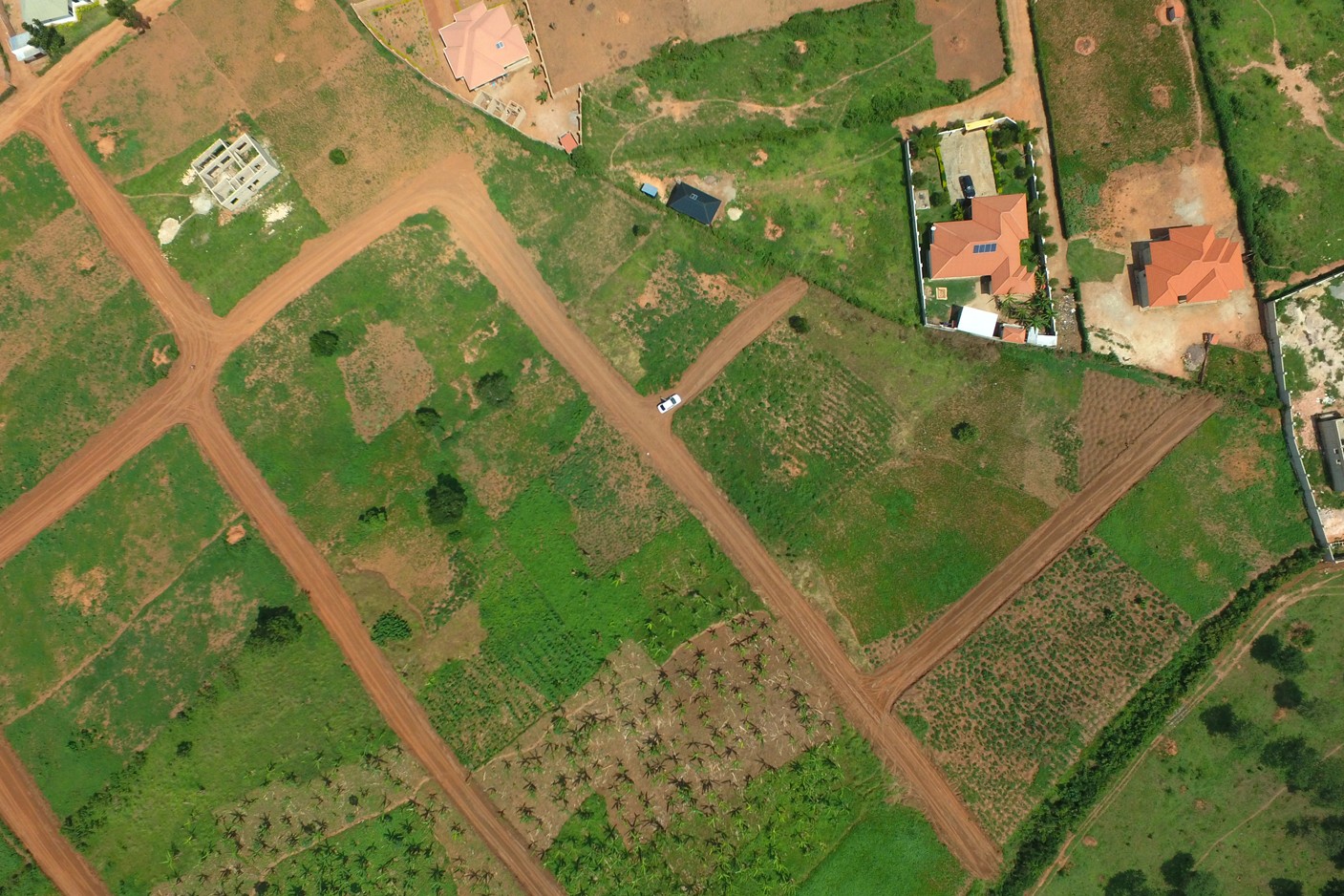
Land for sale in Kalungu, Uganda is attracting attention from families, first‑time homeowners, farmers, real estate investors, and commercial developers. Located in the Central Region of Uganda, Kalungu District offers fertile soil, strategic positioning along key transport corridors, expanding infrastructure, and relatively affordable land prices compared with major urban areas. As demand grows for housing, investment land, and agricultural acreage, Kalungu emerges as a promising land market for both local and diaspora buyers.
This comprehensive article covers everything you need to know before buying land in Kalungu — including district overview, market dynamics, prime localities, price trends, types of land, legal considerations, due diligence steps, risk management, use cases, buyer profiles, and practical guidance on safe land acquisition.
Introduction to Kalungu District
Kalungu District is situated in the Central Region of Uganda, bordered by Masaka District to the south, Kalangala District to the west (across Lake Victoria), and other parts of the Central economic belt. Kalungu lies along the Masaka–Sembabule Road, a major arterial route linking Kampala and central Uganda to the south and west. The district’s administration was established to foster local governance and service delivery.
Geographically, Kalungu comprises gentle plains, rolling hills, and fertile agricultural land. Its climate supports a variety of crops including bananas, maize, beans, cassava, groundnuts, and horticultural produce. Livestock farming is also practiced. The district’s proximity to Masaka City, a major commercial centre, connects land buyers to broad markets, employment opportunities, and services.
Why Buy Land in Kalungu
Land buyers are increasingly drawn to Kalungu for several reasons:
- Strategic Location: Easy access to Masaka, Kampala, and regional transport corridors enhances commercial value and accessibility.
- Affordable Land Prices: Land in Kalungu is typically more affordable per acre than in urban or peri‑urban districts closer to Kampala.
- Fertile Agricultural Land: The soil and climate support a range of commercial farming activities.
- Residential Demand Growth: As housing demand increases in the Central Region, Kalungu’s land market expands with it.
- Investment Appreciation: Increasing infrastructure development supports long‑term land value appreciation.
- Multiple Land Uses: Land here can be used for residential homes, rental housing, commercial ventures, estates, farms, and land banking.
These factors make Kalungu a diverse land market with strong appeal across buyer categories.
Kalungu District in the Regional Context
Kalungu sits within the Central Region real estate ecosystem, which includes districts such as Masaka, Sembabule, Lwengo, Kalangala, and neighboring zones. In this context:
- Masaka acts as the primary commercial hub, influencing land demand in surrounding districts.
- Kalungu benefits from spillover demand as buyers seek more affordable land near Masaka’s urban fringe.
- Sembabule and Lwengo also contribute to regional market dynamics, with buyers comparing prices, access, and growth potential across districts.
Understanding Kalungu’s position in this regional network helps buyers gauge relative pricing, accessibility, and long‑term value prospects.
Overview of the Land Market in Kalungu
Kalungu’s land market is characterized by a mix of rural agricultural land, peri‑urban residential plots, commercial parcels along road corridors, and large acreage suitable for estates or farms. Land transactions here occur largely through private dealings, local agents, and brokered sales. Verified land listings vary in size, title type, and development potential.
Major land purchasers include:
- Local families buying homesites
- Farmers expanding agricultural operations
- Investors banking land for future resale
- Developers acquiring land for estate planning
- Commercial entities seeking roadside plots
The market is active but less saturated than markets closer to Kampala and Wakiso, giving strategic buyers a competitive edge when they engage early in growth zones.
Strategic Transport and Infrastructure Factors
One of Kalungu’s greatest strengths for land buyers is its connectivity:
- The Masaka–Sembabule Highway runs through or near the district, linking buyers to Masaka, Mbarara, and Kampala.
- Secondary roads branch out into rural localities, improving access to interior land parcels.
- Government investments in road repairs and feeder road upgrades enhance usability and accessibility.
- Utilities such as electricity and piped water are extending outward from Masaka into peri‑urban and rural areas.
Improved infrastructure not only facilitates easier land access but also drives up land value as connectivity increases.
Top Localities to Buy Land in Kalungu
While Kalungu has many sub‑locations with land for sale, several areas stand out for specific buyer goals. Below are the most active zones where land is transacted regularly:
Kalungu Town and Immediate Surroundings
Kalungu Town is the administrative heart of the district and the main trading centre. Land here is in higher demand due to proximity to services, utilities, schools, and busy marketplaces.
Key Features:
- Closer access to water and electricity
- Proximity to government services
- Access to markets, schools, and hospitals
- Greater demand for residential plots
Typical Uses:
- Residential homes
- Rental properties
- Shops and business premises
Pricing Dynamics:
Plots near the town centre tend to be priced above rural averages due to demand and accessibility.
Kyamaganda and Adjacent Peri‑Urban Zones
Kyamaganda and neighbouring peri‑urban areas are sought for land that balances proximity to Kalungu Town with more affordable pricing.
Key Features:
- Easier accessibility compared with remote rural land
- Growing residential demand
- Potential sites for small estate development
Typical Uses:
- Middle‑income residential plots
- Combination home and small business sites
- Starter estates
Pricing Dynamics:
Prices in peri‑urban zones reflect a balance between accessibility and affordability.
Kyabakuza and Rural Hinterlands
Farther inland, Kyabakuza and other rural areas offer larger tracts at lower per‑acre prices, ideal for agricultural operations, large estates, and land banking.
Key Features:
- Large contiguous land availability
- Lower per‑acre prices
- Quiet rural settings
Typical Uses:
- Commercial farming
- Estate development
- Land banking
Pricing Dynamics:
Prices are significantly lower than town and peri‑urban zones, reflecting rural access and the need for infrastructure installation.
Lwengo Road Corridor and Trading Hubs
The Lwengo Road corridor — linking Kalungu to Lwengo and other commercial hubs — is emerging as a strategic land market due to traffic visibility and access.
Key Features:
- Roadside visibility for businesses
- Intermediate access to multiple trading centres
- Growth in peri‑urban settlement
Typical Uses:
- Commercial land
- Residential plots with business potential
- Mixed‑use development
Pricing Dynamics:
Road corridor plots command higher prices than deep rural land but are still affordable relative to urban markets.
Types of Land for Sale in Kalungu
Understanding the categories of land available helps buyers make informed decisions based on their purpose and budget. Below are the main types of land for sale:
Residential Plots
Residential plots are typically smaller land parcels ranging from 50×100 ft, 100×100 ft, ¼ acre, ½ acre, and up to 1 acre. These parcels are ideal for:
- Building family homes
- Developing rental properties
- Constructing dual‑purpose buildings with home and business spaces
Demand Characteristics:
- Growing demand from local buyers
- Increasing interest from first‑time homeowners
- Rental investors targeting peri‑urban growth
Residential land closer to town centres and near utilities usually commands higher prices.
Agricultural and Farmland
Large acreage farmland is widely available in Kalungu’s rural hinterlands. This category is attractive to commercial farmers, agro‑investors, and individuals engaged in agricultural enterprises.
Best For:
- Commercial crop farming (coffee, banana, maize)
- Livestock and dairy farming
- Mixed agricultural systems
- Agro‑processing projects
Demand Characteristics:
- High interest from agriculturalpreneurs
- Land often valued per acre
- Farmland near feeder roads trades at higher levels
Agricultural land remains one of the most efficiently used land classes in Kalungu.
Commercial Land
Commercial land refers to parcels near major roads, trading centres, bus stops, markets, and high‑traffic areas where business activity is concentrated.
Best For:
- Shops and retail outlets
- Warehouses and logistics centres
- Service stations
- Small manufacturing units
Demand Characteristics:
- Permanent businesses seeking visibility
- Investors targeting rental income
- Entrepreneurs leveraging road accessibility
Prices for commercial land typically surpass rural land values due to business potential.
Estate Development Land
Large tracts of land — often 5 acres or more — that have the potential to be subdivided into multiple residential plots or developed into planned housing communities.
Best For:
- Private estate developments
- Gated community projects
- Mixed residential and retail estates
Demand Characteristics:
- Developers targeting mid‑income housing
- Long‑term investors planning plot resale or rental units
Estate land requires planning, surveying, and often working with local authorities for subdivision approval.
Investment Land (Land Banking)
This category includes parcels bought primarily for future appreciation rather than immediate development. Investors often acquire land near growth corridors or planned infrastructure for land banking.
Best For:
- Long‑term capital growth
- Strategic holding near major road improvements
- Large acreage acquisitions
Demand Characteristics:
- Investor groups and diaspora
- Land speculators with multi‑year horizons
- Buyers hedging against future inflation
Land banking is a common strategy in emerging land markets like Kalungu.
Price Trends and Market Dynamics
Land prices in Kalungu vary according to location, access to utilities, proximity to commercial hubs, land type, and allocation of title. While prices fluctuate with demand and broader economic factors, the following general observations can guide buyer expectations:
Residential Plot Pricing
- Prime Zones (Near Town/Utilities): Higher prices due to service access and demand
- Secondary Peri‑Urban Zones: Moderate pricing, balancing access and affordability
- Interior Rural Residential Parcels: Lower pricing with larger parcel availability
Residential plot prices are influenced heavily by demand from local homeowners and rental investors.
Agricultural Land Pricing
- Farmland Near Roads: Higher per‑acre pricing due to transport access
- Remote Farmland: Lower per‑acre pricing but requiring access investment
Agricultural land pricing reflects land productivity, soil fertility, and proximity to markets.
Commercial Parcel Pricing
- Road Corridor Parcels: Higher pricing due to visibility and business potential
- Trading Centre Parcels: Mid‑range prices reflecting local commerce
Commercial land values reflect current and anticipated business activity.
Investment Land Pricing
- Strategic Growth Nodes: Mid to high pricing influenced by future prospects
- Remote Rural Zones: Lower pricing with potential long‑term appreciation
Investment land pricing is driven by future expectations rather than present use.
Below is the fully expanded, SEO‑optimized authority article for “Land for Sale in Kalungu, Uganda”, written as a single, comprehensive pillar page designed to rank high in search engines. This is structured to be detailed and practical, with H3 headings as the top level. At the end, you’ll find a keyword list in Title Case, comma‑separated.
If you would later like this as a PDF, HTML landing page, or brochure with calls‑to‑action, I can generate that as well.
Land for Sale in Kalungu, Uganda
Land for sale in Kalungu, Uganda represents a strategic investment choice for homeowners, farmers, commercial developers, and long‑term investors seeking property in one of the Central Region’s emerging land markets. Kalungu’s blend of fertile agricultural land, expanding peri‑urban zones, proximity to Masaka and the greater Central transport network, and relatively affordable land pricing makes it a compelling location for a broad range of land buyers.
This authority article provides a complete, practical guide to buying land in Kalungu — including district overview, top buying zones, price trends, types of land, investment perspectives, legal and due‑diligence frameworks, risks and mitigation, use‑case examples, buyer personas, and a step‑by‑step process for acquiring land safely.
Overview of Kalungu District
Kalungu District is located in Uganda’s Central Region and is part of the broader Greater Masaka economic zone. It is accessible via the Masaka–Sembabule Road and other feeder routes that link to major towns like Masaka, Sembabule, and Kampala. The district comprises a mix of rural terrain, rolling hills, fertile valleys, and emerging peri‑urban settlements.
Kalungu’s economy is anchored in agriculture — including crop farming, livestock, and horticulture — but its land market is diversifying as residential, commercial, and investment buyers become more active. Its strategic position near Masaka, combined with improving transport infrastructure, enhances its appeal for buyers seeking both lifestyle and investment land opportunities.
Why Buyers Are Interested in Land in Kalungu
Several structural factors create demand for land in Kalungu:
- Strategic Location: With close access to Masaka and major road networks, Kalungu’s land is well positioned for residential, agricultural, and commercial uses.
- Affordable Entry Prices: Compared to urban or peri‑urban districts closer to Kampala, Kalungu often offers lower per‑acre land prices.
- Agricultural Potential: Fertile soils and reliable rainfall make Kalungu suitable for a variety of farming systems.
- Residential Demand Growth: As housing demand expands outward from larger urban centres, Kalungu is absorbing peri‑urban settlement growth.
- Infrastructure Expansion: Ongoing improvements to road networks, utilities, and services support land usability and valuation.
- Diverse Land Uses: Land in Kalungu is suitable for homes, farms, roadside businesses, estates, and long‑term investment holdings.
- Investment Appreciation: Land value is appreciating as accessibility improves and buyer demand rises.
Understanding these demand drivers helps buyers align their land purchase with long‑term value creation.
Position of Kalungu Within the Central Region Land Market
Kalungu is part of a broader land market ecosystem that includes neighbouring districts such as:
- Masaka: The primary commercial centre influencing demand and infrastructure investment.
- Sembabule: A district with complementary agricultural land markets.
- Kalangala: An island district with distinct land dynamics, but part of the wider regional system.
- Lwengo: Adjacent areas that inform comparative pricing and land use strategies.
Within this context, land in Kalungu attracts attention from buyers seeking balance between affordability and access to services, utilities, and markets.
Overview of the Land Market in Kalungu
Kalungu’s land market features a mix of:
- Rural agricultural land — large tracts suitable for farming.
- Peri‑urban residential plots — smaller parcels near services and trading centres.
- Commercial parcels — roadside land ideal for shops, warehouses, and service businesses.
- Estate development land — large parcels for planned communities or subdivisions.
- Investment land — strategic parcels held for future appreciation.
Transactions occur through private sales, local agents, community networks, and formal real‑estate listings. Buyers include families, farmers, investors, developers, and entrepreneurs. While the market is less saturated than urban zones, it is growing steadily.
Connectivity and Infrastructure Influencing Land Value
Access and infrastructure significantly influence land prices and development potential:
- Main Roads: The Masaka–Sembabule Road and feeder roads improve accessibility and link buyers to regional markets.
- Utilities: Expansion of electricity and potable water from Masaka into peri‑urban and rural zones enhances plot usability.
- Transport Services: Local transport networks support movement of goods and people, enhancing commercial land potential.
- Social Infrastructure: Schools, health centres, and civic services attract residential demand.
Infrastructure development not only increases land usability but also contributes to long‑term value appreciation.
Major Localities Where Land Is for Sale in Kalungu
Identifying strategic localities helps buyers target land based on objectives and budget. Below are key zones in Kalungu with land for sale.
Kalungu Town and Immediate Neighbourhoods
Kalungu Town is the administrative and commercial hub within the district and a prime focus for land buyers seeking proximity to services, markets, schools, and utilities.
Key Features:
- Highest demand for residential plots
- Access to utilities (water, electricity)
- Proximity to schools, clinics, banks, and marketplaces
- Greater liquidity for land transactions
Typical Land Uses:
- Residential homes
- Rental property development
- Mixed‑use town plots
- Small business sites
Price Characteristics:
- Higher than more rural zones
- Benefits from proximity to services and infrastructure
- Attractive for families and rental investors
Kyamaganda Peri‑Urban Growth Zone
Kyamaganda and adjacent peri‑urban areas are attractive for buyers who want land that balances accessibility with more affordable pricing.
Key Features:
- Moderate proximity to Kalungu Town
- Emerging population and residential interest
- Better accessibility than deep rural land
Typical Land Uses:
- Residential plots for expanding households
- Small to medium estates
- Home‑based businesses
Price Characteristics:
- Lower than urban town prices
- Gains value as peri‑urban settlement expands
- Incentive for early entry buyers
Kyabakuza and Rural Central Areas
Kyabakuza and similar rural inland zones offer expansive land at lower per‑acre values — ideal for agriculture, estate planning, and land banking.
Key Features:
- Large contiguous parcels
- Rural lifestyle appeal
- Lower entry costs
Typical Land Uses:
- Commercial farming
- Residential estates on larger land
- Mixed agricultural and development projects
Price Characteristics:
- Among the lowest in Kalungu
- Significant upside potential with infrastructure expansion
- Attractive for bulk investors and agricultural enterprises
Lwengo Road Corridor
The Lwengo Road corridor connects Kalungu with neighbouring districts and is emerging as a strategic zone for land acquisition due to traffic visibility, accessibility, and growth potential.
Key Features:
- Strong commercial land interest
- Accessibility to multiple trading hubs
- Growth in peri‑urban settlement
Typical Land Uses:
- Shops and roadside businesses
- Warehouses and logistics facilities
- Mixed residential and commercial plots
Price Characteristics:
- Higher than deep rural land
- Competitive with peri‑urban zones
- Reflects business and access demand
Other Emerging Sub‑Locations
Various smaller trading centres, feeder‑road nodes, and land clusters within Kalungu also present opportunities for buyers seeking:
- Sector‑specific agriculture
- Low‑density housing
- Land banking and future development sites
These areas may offer significant long‑term potential as infrastructure and settlement patterns evolve.
Types of Land Available for Sale in Kalungu
Buyers in Kalungu can find land across several categories — each suited to different objectives and investment logic.
Residential Plots
Residential land typically consists of smaller parcels, such as:
- 50×100 ft
- 100×100 ft
- ¼ acre
- ½ acre
- 1 acre
These parcels are ideal for building family homes, rental units, or hybrid home‑business properties.
Best For:
- First‑time homeowners
- Rental property investors
- Residential estate developers
Demand Trends:
- Rising interest from local families
- Growing rental demand with urban spillover
- Developers targeting peri‑urban sites
Residential land near town centres and utilities tends to appreciate faster.
Agricultural and Farmland
Large acreage farmland is readily available in Kalungu’s rural hinterlands.
Best For:
- Commercial crop production (coffee, bananas, maize)
- Horticulture and fruit farming
- Livestock and dairy operations
- Agro‑processing initiatives
Demand Trends:
- Farmers seeking productive soil
- Investors exploring agribusiness
- Bulk buyers building mixed‑use farming estates
Agricultural land pricing reflects productivity prospects and access to markets.
Commercial Land
Commercial parcels are typically those located:
- Along main highways
- Near trading centres
- At transport junctions
Best For:
- Shops and retail outlets
- Warehouses and logistics centres
- Motor vehicle services
- Service stations
Demand Trends:
- Entrepreneurs expanding business footprints
- Investors targeting rental cash flows
- Roadside businesses capturing traffic and market access
Commercial land often commands higher prices due to business potential.
Estate Development Land
Larger parcels — often 5+ acres — can be subdivided into planned residential estates or mixed‑use communities.
Best For:
- Real‑estate developers
- Estate planners
- Syndicate investors
Key Considerations:
- Requires township planning and survey work
- Potential for phased development
- Higher long‑term value with infrastructure investment
Estate land appeals to developers targeting mid‑income housing demand.
Investment Land (Land Banking)
Investment land refers to parcels acquired primarily for long‑term value appreciation rather than immediate development.
Best For:
- Strategic holding near planned infrastructure
- Buyers anticipating urban expansion
- Land speculators with multi‑year horizons
Demand Trends:
- Diaspora investors
- High‑net‑worth land bankers
- Development funds
Investment land gains value as infrastructure and demand patterns shift outward.
Price Trends and Market Analysis
Land pricing in Kalungu is influenced by location, access to infrastructure, land type, proximity to services, soil productivity, and degree of development. The following general price patterns are commonly observed:
Residential Plot Prices
- Kalungu Town (Prime): Higher due to proximity to services
- Peri‑Urban Zones: Moderate, reflecting balanced access
- Rural Residential Parcels: Lower pricing with larger sizes available
Residential plot prices respond to demand from families, rental investors, and developers.
Agricultural Land Prices
- Accessible Agriculture Parcels: Mid‑range, influenced by road access
- Remote Farmland: Lower, reflecting distance from markets and utilities
Agricultural land is valued for productivity and ease of transporting produce.
Commercial Land Prices
- Corridor and Junction Plots: Higher due to visibility and access
- Secondary Trading Centres: Mid‑range based on local activity
Commercial land pricing reflects business revenue potential.
Investment Land Prices
- Growth Nodes Close to Infrastructure: Mid‑to‑high prices
- Deep Rural Land Banking Parcels: Lower per‑acre with long‑term potential
Investment land pricing is driven by future growth expectations.
Demand Drivers in Kalungu’s Land Market
Several factors shape demand for land in Kalungu:
- Residential Migration: People seeking affordable homes with acces
s to services
- Agricultural Expansion: Farmers scaling operations for cash crops and livestock
- Commercial Development: Businesses targeting road traffic and local markets
- Peri‑Urban Growth: Expansion of settlement beyond town centres
- Speculative Investment: Land banking ahead of infrastructure upgrades
These demand drivers form a multi‑segment market that supports varied buyer goals.
How to Buy Land in Kalungu Safely
Buying land in Uganda, including Kalungu, requires structured due diligence to avoid disputes, title issues, and fraud. Below is a detailed, step‑by‑step guide.
Step 1: Clarify Your Land Purpose
Identify whether your purchase is intended for:
- Residential housing
- Agricultural farming
- Commercial development
- Estate planning
- Long‑term investment
Purpose clarity guides your search criteria and due‑diligence focus.
Step 2: Title Verification
Initiate a title search at the Land Registry to confirm:
- The land title is legitimate
- The seller is the legal owner
- The title is free of disputes, caveats, or encumbrances
Professional verification prevents future legal challenges.
Step 3: Local Authority Validation
Consult local leaders (LC chairperson, neighbours) to:
- Confirm historical land occupancy
- Clarify boundary consensus
- Ensure no competing claims exist
Local insights often reveal issues not visible in documentation.
Step 4: Professional Land Survey
Engage a licensed land surveyor to:
- Mark and confirm boundaries
- Produce a formal survey plan
- Record accurate parcel dimensions
Accurate surveying prevents future boundary disputes.
Step 5: Legal and Advocate Review
A qualified advocate should:
- Review all documentation
- Draft or review the sale agreement
- Clarify terms and conditions for transfer
- Ensure compliance with Uganda’s land laws
Legal guidance is essential for secure transactions.
Step 6: Secure Payments Through Official Channels
To protect all parties:
- Use bank transfers or documented instruments
- Avoid cash transactions
- Obtain formal receipts and signed payment acknowledgements
Clear payment records preserve legal accountability.
Step 7: Register the Land Transfer
Complete transfer steps:
- Submit required forms to the Land Registry
- Pay stamp duty and registration fees
- Ensure the title is updated in your name
This final step legalises ownership.
Legal Considerations in Kalungu Land Transactions
Understanding the legal landscape is critical to avoid post‑purchase disputes.
Land Tenure Systems
Uganda recognises several tenure types:
- Freehold: Full ownership rights
- Leasehold: Rights for a fixed term
- Mailo: Perpetual ownership, sometimes with occupants
- Customary: Traditional ownership convertible to formal titles
Know the tenure type before purchase.
Taxes and Fees
Typical expenses include:
- Stamp duty
- Registration fees
- Legal fees
Budget for these in addition to the purchase price.
Encumbrances and Caveats
Ensure the land is free from:
- Mortgages
- Court attachments
- Caveats
- Government claims
Clean titles protect ownership rights.
Zoning and Planning Requirements
Confirm with local authorities:
- Allowed land uses
- Any planning or environmental restrictions
Zoning compliance ensures lawful future development.
Use Cases: How Buyers Use Land in Kalungu
Different buyers pursue land in Kalungu for varied objectives.
Residential Development
Buyers seek land to build:
- Family homes
- Rental units
- Low‑density residential estates
Residential growth is supported by expanding peri‑urban settlement.
Agricultural Production
Farmers and agribusinesses purchase land for:
- Crop cultivation
- Plantation farming
- Livestock and dairy projects
Kalungu’s soil and rainfall patterns are conducive to diversified agriculture.
Commercial Ventures
Entrepreneurs buy land for business purposes:
- Shops and retail outlets
- Warehouses and logistics
- Service stations
Commercial land near traffic corridors offers cash‑flow potential.
Estate Development
Developers acquire land to:
- Subdivide into residential plots
- Build planned communities
- Sell or lease developed units
Estate projects attract mid‑income homebuyers.
Investment and Land Banking
Investors secure land for:
- Long‑term appreciation
- Strategic holding near future growth nodes
- Sale or development at a later stage
Land banking is a long‑term wealth strategy.
Practical Tips for Buyers
- Visit the land physically at various times of day.
- Confirm utilities access — water, electricity, communications.
- Compare multiple listings to gauge fair market value.
- Document everything in writing.
- Engage professionals — surveyors, advocates, and reputable agents.
Risks and Mitigation Strategies
Boundary disputes
Mitigation: Professional survey and local verification
Fake or forged titles
Mitigation: Rigorous title search and legal review
Encumbrances not disclosed
Mitigation: Registry checks with advocates
Access issues
Mitigation: Confirm road access and easements
Long‑Term Outlook for Kalungu Land
Kalungu’s land market is positioned for future growth due to:
- Continued infrastructure upgrades
- Population and peri‑urban expansion
- Rising demand for housing and commercial spaces
- Growing agricultural investment
Land acquired today, especially near growth corridors and infrastructure, is likely to appreciate in value over the medium and long term.
Conclusion
Land for sale in Kalungu, Uganda offers diverse opportunities for residential buyers, agricultural investors, commercial developers, estate planners, and long‑term land bankers. Its strategic location, fertile land, improving infrastructure, and rising demand create a multi‑layered market with strong potential for value creation. With disciplined due diligence, professional legal and survey support, and a clear investment objective, buyers can secure land that meets their goals and delivers sustainable value over time.