
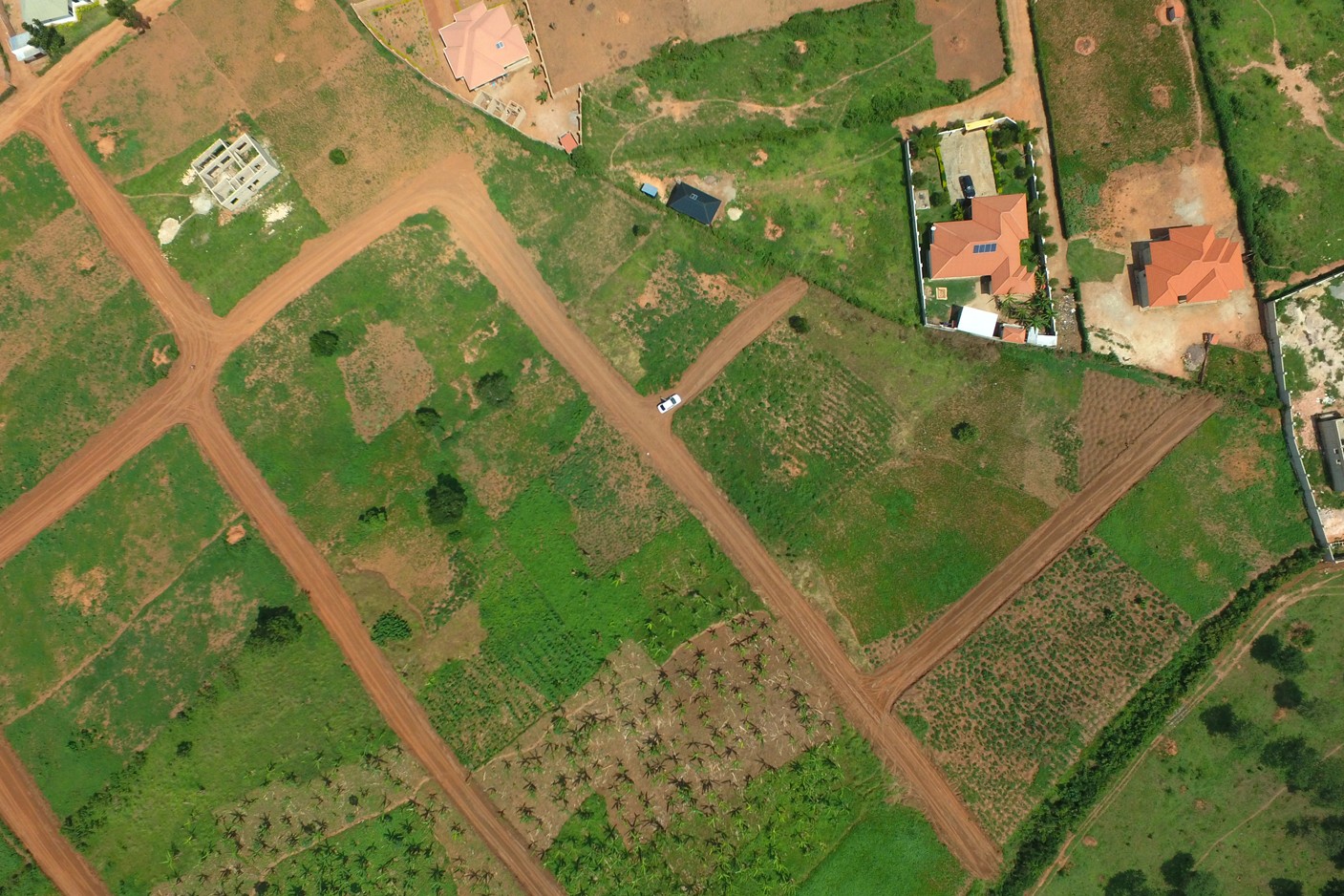
Land for sale in Buvuma, Uganda presents a compelling property opportunity for a wide range of buyers — from homeowners and farmers to commercial developers, eco‑tourism investors, and long‑term land bankers. Located in Lake Victoria, Buvuma District comprises a network of islands with unmatched natural beauty, fertile agricultural land, and untapped economic potential. As infrastructure gradually improves and development interest increases, the land market in Buvuma is evolving into one of the Central Region’s most promising property frontiers.
This comprehensive guide is designed to walk you through every key aspect of purchasing land in Buvuma — including district context, geography, demographics, infrastructure, land types, pricing trends, localities, legal and due‑diligence processes, risk factors with mitigation strategies, investment use cases, practical buying steps, and long‑term outlook. Whether you are an individual buyer, a commercial investor, or a developer planning a large project, this article will equip you with the insights you need to proceed confidently.
District Overview
Buvuma District consists of more than fifty islands in Lake Victoria, with Buvuma Island being the largest and the administrative center. The district’s terrain includes:
- Lakeshore plains: Flat or gently sloping land near the water, ideal for lakeside development and agriculture.
- Rolling hills and inland plateaus: Suitable for larger acreage farming and estate projects.
- Wetlands and valleys: Productive soils supporting diverse crops.
The district’s population is predominantly rural and engaged in fishing, subsistence agriculture, and small‑scale commerce. Although Buvuma has historically lagged behind mainland areas in development, recent investments in transport and agricultural projects have elevated its visibility among property buyers and investors.
Why Buy Land in Buvuma
Affordability and Value Potential
Compared with peri‑urban and urban land markets closer to Kampala, land in Buvuma remains more affordable per acre, allowing buyers to acquire larger parcels for the same budget. This affordability is especially attractive for:
- First‑time land buyers
- Retirement homes and holiday estates
- Large‑scale agricultural ventures
- Land banking for future development
Emerging Market Dynamics
Buvuma is now on the radar of investors due to:
- Upgrades to ferry services and feeder roads
- Planned enhancements in utilities (electricity extensions, water access)
- Agricultural projects targeting both subsistence and commercial markets
- Eco‑tourism potential along lakeshore zones
These developments support medium‑ and long‑term land value appreciation.
Diverse Land Use Opportunities
Buyers can acquire land for a wide range of uses:
- Residential homes and rental properties
- Commercial ventures (shops, markets, storage)
- Tourism and resort developments
- Agricultural and mixed‑farming enterprises
- Estate development and subdivision projects
- Strategic investment and land banking
Proximity to Major Urban Centers
Although an island district, Buvuma’s land is accessible by ferry from mainland Uganda. Its relative proximity to Kampala and Jinja connects buyers to major markets, while retaining a peaceful island environment.
Understanding the Geography and Climate
Island Topography
Buvuma’s landforms vary significantly:
- Coastal strips and lakeshores: Ideal for tourism, recreation, and residential development.
- Interior plains: Often fertile and well suited for agriculture.
- Hills and ridges: Offering scenic views and premium estate locations.
Understanding topography helps buyers select the right parcel for their intended use.
Climate Conditions
Buvuma enjoys a tropical climate, characterized by:
- Two rainy seasons (normally March–May and September–November)
- Warm, humid conditions year‑round
- Consistent rainfall supporting year‑round cultivation
These conditions are conducive to diverse agricultural activities, particularly horticulture, staple crops, and plantation crops.
Soil Fertility and Agricultural Potential
The district’s soils, influenced by lake sediments and rainfall patterns, are generally fertile and supportive of:
- Bananas and plantains
- Maize and beans
- Horticultural crops (vegetables, fruits)
- Commercial plantation crops in some areas
Large tracts can be acquired for commercial farming, crop rotation systems, livestock grazing, and mixed agriculture.
Economic Overview
Predominant Economic Activities
Buvuma’s local economy includes:
- Fishing: A major livelihood and commercial activity due to the district’s lake access.
- Subsistence farming: Most households cultivate crops for food and local sale.
- Small‑scale trade: Markets and village centers support commerce in agricultural produce and consumer goods.
- Emerging commercial efforts: Projects focusing on cash crops, agro‑processing, and eco‑tourism have begun to influence land demand.
Emerging Investment Trends
Investors are paying attention to:
- Agricultural parcels with irrigation potential
- Lakeside properties for tourism development
- Land near ferry landings for commercial use
- Larger tracts for subdivision and estate planning
As these sectors evolve, land prices in strategic zones are expected to appreciate.
Infrastructure and Connectivity
Ferry Services
The primary access point to Buvuma is by ferry from mainland Uganda. Reliability and frequency of ferry services influence both residential convenience and commercial activity.
Internal Roads
Within the island district, roads range from:
- Tarmacked central routes in developed zones
- Gravel or murram roads connecting villages
- Rural paths requiring improvement for heavy transport
Road upgrades enhance accessibility for land parcels previously considered remote.
Utilities and Services
- Electricity: Available in major islands and growing outward.
- Water: Local water sources, boreholes, and community systems exist; piped water is expanding.
- Telecommunications: Mobile network coverage is improving, enabling business and personal connectivity.
Access to utilities directly influences land pricing and development potential.
Types of Land Available for Sale
Residential Land
Residential plots are sought for family homes, rental properties, or holiday residences. These parcels typically range from:
- 50×100 ft
- 100×100 ft
- ¼ acre
- ½ acre
- 1 acre
Residential Use Cases:
- First homes close to community centers
- Roadsides with sewer and electricity access
- Rental units addressing local housing demand
- Vacation homes near lakeshore zones
Access to basic utilities and proximity to markets or central villages elevate the value of residential land.
Agricultural Land
Agricultural parcels are often large acreage tracts (5+ acres) suitable for:
- Staple crop cultivation
- Mixed farming systems
- Horticulture
- Livestock and poultry operations
These lands may be closer to interior rural areas and offer economies of scale for commercial agriculture.
Commercial Land
Commercial land is typically located:
- Near ferry landing sites
- Adjacent to trading centers
- Along main internal roads
- Close to clusters of population or tourist traffic
Commercial Use Cases:
- Retail shops
- Warehouses and storage yards
- Service stations
- Wholesale and distribution points
Commercial land commands premium pricing due to visibility and business potential.
Tourism and Resort Land
Waterfront and lakeshore parcels are prime locations for:
- Eco‑tourism lodges
- Resort developments
- Marina or boat dock facilities
- Recreational parks
These parcels often command the highest per‑acre prices due to scenic views and tourism potential.
Estate Development and Large Acreage Land
Large parcels — often 5 acres and above — are suitable for:
- Planned residential estates
- Gated communities
- Mixed‑use subdivisions
- Investment land banking
Developers interested in estate projects can subdivide these tracts into smaller plots for sale or lease, capturing value through strategic planning.
Key Localities to Buy Land in Buvuma
Buvuma Town
As the administrative and commercial hub, Buvuma Town is a focal point for land demand:
- Proximity to services: Schools, healthcare, markets, local business activity
- Access to ferry services: Enables commuting and trade
- Infrastructure: Highest availability of utilities within the district
Residential and commercial parcels near town tend to appreciate faster due to demand.
Ferry Landing Sites
Areas adjacent to ferry landings are highly strategic:
- High foot and vehicle traffic
- Commercial viability
- Good access to mainland Lagos and trade routes
These locations attract shops, transport hubs, storage yards, and mixed‑use developments.
Lakefront Zones
Lakeshore land is ideal for eco‑tourism and resort projects:
- Scenic views: Premium for holiday homes or resorts
- Recreational potential: Fishing, boating, relaxation
- Tourism infrastructure: Lodges, campsites, beach fronts
Waterfront parcels typically demand the highest pricing due to their uniqueness.
Interior Rural Areas
Interior rural land is ideal for:
- Large agricultural parcels
- Land banking near emerging road networks
- Estate development at lower entry costs
These areas often offer deep value for bulk purchases with long‑term appreciation potential.
Village Peripheries and Emerging Centers
As villages grow into trading hubs, land around these emerging centers is gaining demand from local residential buyers and small businesses.
Price Trends and Market Dynamics
Understanding pricing requires attention to:
- Location: Proximity to ferry landings, town centers, and lakeshore significantly influences value.
- Accessibility: Road access and utility availability elevate pricing.
- Parcel size: Larger acreage often has lower per‑acre rates but carries strong appreciation potential.
- Development potential: Land with development approvals or fewer restrictions commands higher prices.
Residential Land Prices
- Near Buvuma Town: Higher than inland areas due to services and demand.
- Emerging centers: Moderate pricing reflecting urban spillover.
- Interior or rural plots: Lower per‑acre pricing, larger parcels.
Agricultural Land Prices
- Accessible and fertile farmland: Mid‑range per acre.
- Remote agricultural tracts: Lower per acre but potential for bulk acquisition.
Commercial Land Prices
- Ferry corridor parcels: Premium pricing due to visibility and traffic.
- Trading hub land: Higher mid‑range segments.
Tourism and Waterfront Land
- Lakeshore parcels: Highest pricing due to scenic and tourism value.
- Near lakeside communities: Elevated pricing relative to interior land.
Investment and Estate Parcels
- Growth corridor land: Higher due to future prospects.
- Deep rural investment land: Lower per acre with strong future upside.
These trends reflect evolving demand and investor sentiment as infrastructure and interest grow.
Step‑by‑Step Guide to Buying Land in Buvuma
1. Clarify Your Purpose
Define whether the land is for:
- Residential use
- Commercial development
- Agricultural production
- Tourism development
- Estate subdivision
- Long‑term investment
Purpose influences location preferences, size, and price tolerance.
2. Verify Ownership and Title
Conduct a title search at the relevant Land Registry to confirm that:
- The seller is the registered owner
- The title is authentic, current, and transferable
- There are no caveats, mortgages, or disputes
Engage a qualified advocate to assist with document verification.
3. Local Authority Verification
Meet with local leaders (LC chairperson, chiefs, neighbours) to:
- Confirm land history
- Clarify boundary consensus
- Check for potential disputes or claims
Local insights often reveal issues not apparent in documents.
4. Professional Land Survey
Hire a licensed land surveyor to:
- Confirm boundary markers
- Verify that the land matches the title description
- Produce a surveyed plan required for registration
Accurate surveying prevents future boundary disputes.
5. Legal Review and Sale Agreement
A qualified advocate should:
- Review all documentation
- Draft or review the sale agreement
- Clarify payment terms and transfer procedures
- Ensure compliance with Ugandan land laws
Legal counsel protects your interests and clarifies obligations.
6. Secure Payment Through Official Channels
Make payments via:
- Bank transfers
- Documented financial instruments
- Receipted and witnessed transactions
Avoid cash payments without formal documentation.
7. Register the Land Transfer
After executing the sale agreement:
- Submit the required documents to the Land Registry
- Pay stamp duty and registration fees
- Ensure the title is updated in your name
Registration confirms legal ownership and protects against future claims.
Legal Considerations When Buying Land
Tenure Types
Uganda recognizes several land tenure systems:
- Freehold: Full ownership and transfer rights
- Leasehold: Rights for a defined term
- Mailo: Perpetual with potential occupants
- Customary: Traditional tenure, often convertible to formal title
Understanding tenure is essential before purchase.
Taxes and Fees
Purchasing land involves:
- Stamp duty
- Registration fees
- Legal fees
Budget these costs in addition to the purchase price.
Encumbrances and Caveats
Ensure land is free from:
- Mortgages
- Attachments
- Caveats or restrictions
A clean title prevents legal disputes.
Zoning and Planning
Confirm with local authorities the:
- Permitted land uses
- Environmental restrictions
- Development regulations
Compliance ensures lawful land utilization.
Use Cases for Land in Buvuma
Residential Development
Buyers acquire land to build:
- Family homes
- Rental apartments
- Holiday residences
Residential land near services tends to appreciate faster.
Commercial Ventures
Entrepreneurs purchase land for:
- Retail shops
- Warehouses
- Service stations
- Mixed‑use spaces
Commercial land near ferry landings yields high traffic returns.
Agricultural Enterprises
Farmers and agribusinesses use land for:
- Crop cultivation
- Plantation projects
- Livestock production
Buvuma’s soils support diversified agriculture.
Tourism and Resort Development
Waterfront and scenic land supports:
- Resorts
- Eco‑lodges
- Marina and recreational facilities
Tourism land commands premium pricing.
Estate Development
Developers purchase large parcels to:
- Subdivide into residential plots
- Build planned communities
- Sell or lease developed units
Estate projects require planning and marketing strategies.
Investment and Land Banking
Investors buy land to:
- Hold for long‑term appreciation
- Sell when infrastructure advances
- Subdivide for future development
Land banking is a strategic investment approach.
Practical Tips for Land Buyers
- Visit the site in person before purchase
- Confirm utility access (water, electricity, internet)
- Compare multiple listings for fair market value
- Document all agreements in writing
- Work with licensed professionals — advocates, surveyors, and real estate agents
- Assess long‑term development plans before purchase
- Evaluate transport access and future infrastructure projections
Risks and How to Mitigate Them
Boundary Disputes
Mitigation: Professional survey and local verification
Fake Titles
Mitigation: Verification at Land Registry and legal review
Undisclosed Encumbrances
Mitigation: Comprehensive registry and advocate checks
Access Restrictions
Mitigation: Confirm rights‑of‑way and ferry access
Environmental or Planning Issues
Mitigation: Local authority consultation
Long‑Term Outlook for Buvuma Land
Buvuma’s land market is positioned for growth due to:
- Infrastructure development (roads, ferry services)
- Population growth and peri‑urban expansion
- Rising tourism interest
- Commercial and agricultural investment
- Increasing demand from diaspora buyers
Land purchased today — especially near growth corridors — is expected to appreciate substantially over the medium and long term.
Conclusion
Land for sale in Buvuma, Uganda offers diverse opportunities for residential buyers, agricultural investors, commercial developers, estate planners, and long‑term land bankers. With its strategic location, fertile soils, scenic landscapes, and evolving infrastructure, Buvuma stands out as a compelling destination for property acquisition.
By conducting thorough due diligence, engaging legal and surveying professionals, and aligning purchase decisions with clear investment or personal objectives, buyers can secure land that meets their needs and delivers sustainable value over time.