
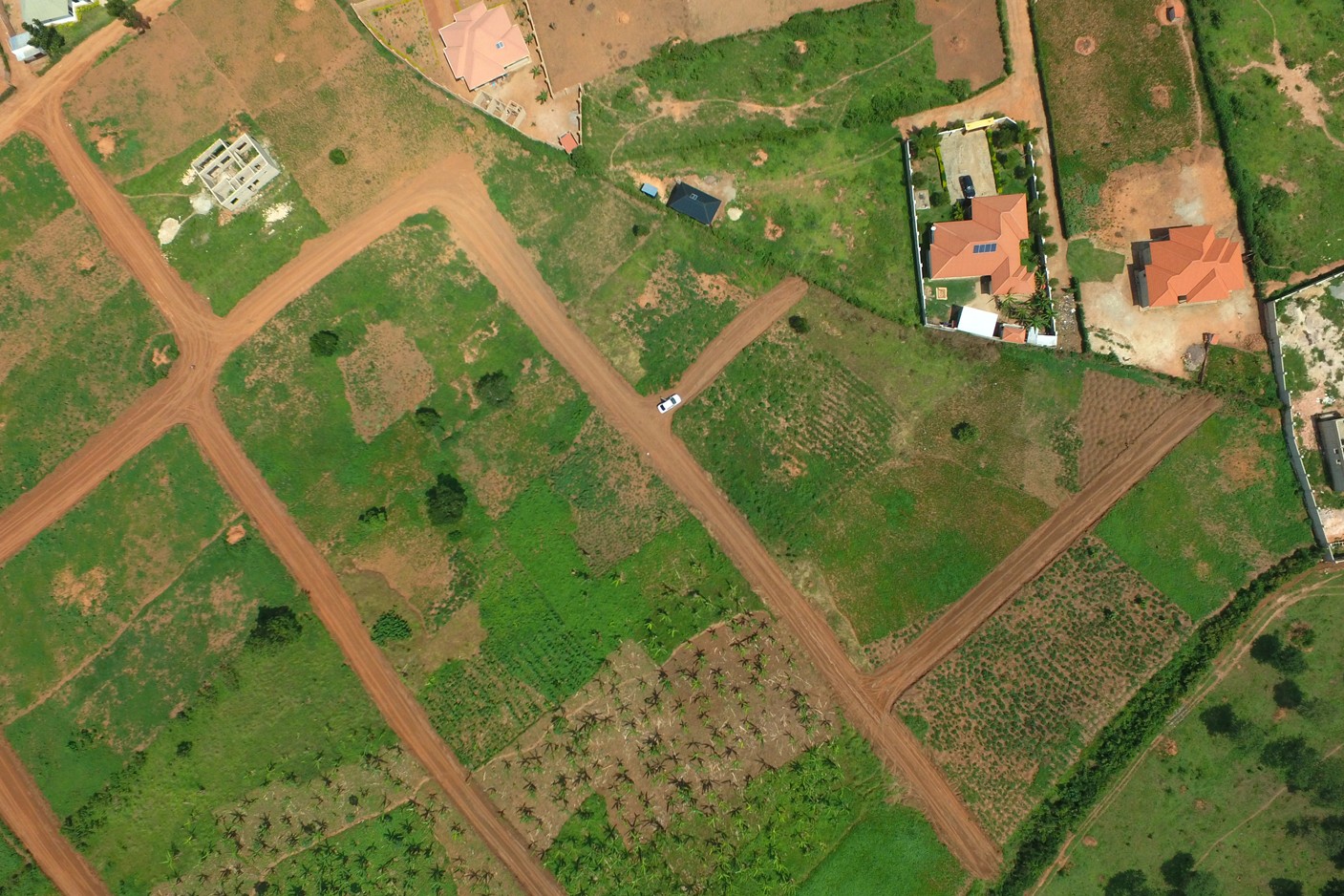
Bukomansimbi District is located in central Uganda and was carved out from parts of the older Masaka District. It lies along the Masaka–Sembabule Road and is bordered by districts like Masaka, Sembabule, and Kalungu. The district’s location along major road arteries linking Kampala, Masaka, and western Uganda makes it easily accessible and strategically poised for development.
The landscape of Bukomansimbi comprises rolling hills, fertile valleys, and expanses of agricultural land. The climate is tropical, with reliable rainfall and long periods of sunshine — ideal conditions for diverse crop cultivation, livestock rearing, and mixed farming systems. These natural endowments, coupled with improving infrastructure, make the district a growing destination for land buyers looking for priced‑to‑value property outside core urban centres.
Why Bukomansimbi Land Is In Demand
Understanding why land in Bukomansimbi is in demand helps position buyer interest and investment logic:
- Proximity to Commercial Hubs: Bukomansimbi lies near Masaka City — one of the major trading and service centres in the Central Region — which expands demand for residential and peri‑urban land.
- Agricultural Productivity: Fertile soils support cash crops, food crops, and dairy operations, making agricultural land attractive for commercial farming.
- Affordable Entry Prices: Compared to land in Kampala, Wakiso, or Mukono, land in Bukomansimbi is significantly more affordable, giving first‑time buyers and investors an accessible entry point.
- Growing Infrastructure: Road improvements, access to utilities, and government support for rural development enhance land usability and value.
- Diversified Land Uses: Buyers can acquire land for homes, commercial ventures, estates, farms, or investment holdings.
- Future Appreciation Potential: As urban centres expand outward, peri‑urban districts like Bukomansimbi often experience steady long‑term land value appreciation.
The Land Market Landscape In Bukomansimbi
The land market in Bukomansimbi is shaped by local demand dynamics, agricultural potential, infrastructure access, and proximity to larger urban centres. While the market does not operate at the same price levels as the more urbanised zones closer to Kampala, it has distinctive benefits:
- Wide availability of larger parcels suitable for farms, estates, or commercial development
- Residential plots close to trading centres with rising demand
- Commercial land opportunities along major road corridors
- Low competition relative to central urban markets
- Potential for rural‑to‑urban transition over time
Buyers who understand these dynamics can align their purchase strategy with long‑term land performance.
District Overview: Geography and Connectivity
Bukomansimbi’s central position in Uganda gives it strong connectivity advantages:
- The Masaka–Sembabule Highway serves as a major trade and transport route
- Secondary and feeder roads connect land parcels to local markets, schools, hospitals, and economic activity centres
- Water and electricity infrastructure has been expanding, particularly in trading centres
- Proximity to Masaka (a major economic and commercial centre) enhances access to services and markets
Good connectivity means land in Bukomansimbi is not just rural acreage — it increasingly supports semi‑urban, mixed‑use development.
Key Localities With Land for Sale
Land availability and pricing can vary significantly by sub‑location. Below is a breakdown of the most active zones within Bukomansimbi where land for sale is commonly listed and transacted.
Bukomansimbi Town And Surrounding Estates
Bukomansimbi Town serves as the administrative and commercial centre of the district. Land in and around the town is attractive to buyers who want proximity to services, amenities, schools, and transport. Residential plots here are in demand from locals, professionals, and investors building rental homes.
Typical Land Uses
- Residential housing
- Rental property development
- Small commercial environments
- Mixed‑use developments
Market Characteristics
- Better access to utilities (water, electricity)
- Higher demand for smaller plots
- Higher average prices than rural parcels
Kibinge And Adjacent Rural Areas
The Kibinge sub‑county is one of the areas with expansive agricultural land. Buyers seeking farm acreage, countryside estates, or extensive land for mixed farming often focus here.
Typical Land Uses
- Commercial farming (coffee, beans, maize)
- Pasture and livestock grazing
- Home estates on larger acreage
Market Characteristics
- Lower per‑acre pricing than urban fringes
- Strong appeal to agricultural investors
- Larger contiguous land holdings available
Butenga And Mixed‑Use Land
Butenga is another area with a mixture of farmland and prospective residential parcels. Because of its position slightly further from the main town but still accessible via murram and arterial roads, it draws buyers looking for balanced pricing and usability.
Typical Land Uses
- Farmland and ranches
- Semi‑urban residential parcels
- Road‑connected estates
Market Characteristics
- Varied price band based on proximity to main roads
- Good choice for mixed residential and agricultural land
Bigasa, Kitanda And Large Tract Opportunities
Parts of Bigasa and Kitanda offer larger tracts of land that have not yet been subdivided. These parcels are ideal for buyers who want:
- Estate development projects
- Agribusiness scale farming
- Land banking (long‑term holding)
- Recreational or eco‑agricultural estates
Market Characteristics
- Very large acreage options
- Lower immediate per‑acre cost
- Requires due diligence for survey and access
Types Of Land Available For Sale
Understanding the categories of land on offer is essential to aligning your purchase with intended use and investment strategy.
Residential Plots
Smaller parcels, such as 50×100 ft, 100×100 ft, half‑acre, or one‑acre plots, are ideal for building homes, rental units, or small estate developments. These plots are often closer to trading centres, schools, and utilities.
Key Features
- Ideal for homes, rentals, and local investors
- Increasing demand near towns
- Price influenced by proximity to amenities
Agricultural And Farmland
Large acreage tracts are abundant and support food crop farming, cash crop ventures, livestock grazing, and mixed farming enterprises. Bukomansimbi’s soils and rainfall patterns are favorable for production.
Key Features
- Ideal for commercial and subsistence farming
- Favourable environment for cash crops
- Large contiguous parcels available
Commercial And Roadside Plots
Parcels located along main transport corridors or near trading centres can be used for business activities, service stations, shops, logistics centres, or mixed commercial developments.
Key Features
- Higher visibility sites
- Good potential for rental income or business ventures
- Price reflects accessibility and traffic
Estate Development Parcels
Larger tracts that can be subdivided into residential plots or developed as planned communities. These are ideal for developers targeting housing markets and investment units.
Key Features
- Often larger parcels (5+ acres)
- Requires planning and subdivision
- Potential for higher returns on resale
Investment And Land Banking Land
Large tracts for long‑term investment, held with the objective of value appreciation as infrastructure and demand increase. These are often in more rural parts of the district but carry high appreciation potential as conditions evolve.
Key Features
- Excellent long‑term value growth potential
- Lower entry cost per acre
- Requires patience and strategic positioning
Price Trends And Market Analysis
Land prices in Bukomansimbi vary widely depending on location, intended use, access to infrastructure, and proximity to commercial centres. The following generalized price indicators reflect typical market ranges (note: exact prices are subject to change and should be verified with current market data and professional appraisals):
Residential Plots
Land closer to Bukomansimbi Town, near schools or transport junctions, typically commands higher prices than rural plots. Residential plot prices often fall into the range of:
- Small Plots (50×100 ft): Moderate pricing that reflects convenience and access
- 1/4 to 1/2 Acre: Competitive pricing with room to build multiple residential units
- 1 Acre Parcels Near Town: Higher value reflecting proximity and usability
Agricultural Acres
Large agricultural land tends to be more affordable on a per‑acre basis compared with smaller residential plots, but absolute purchase costs can be significant due to size.
- Farmland Per Acre: Lower per‑acre price when located further from major roads
- Fertile, Well‑Connected Farmland: Slightly higher per‑acre price depending on access to transport and markets
Agricultural land is priced to balance buyer interest with land productivity.
Commercial Parcels
Plots located on or near the main road connecting Masaka and Sembabule attract higher valuations due to traffic, accessibility, and visibility.
- Road Corridor Parcels: Highest pricing relative to interior plots
- Trading Centre Corners: Premium pricing based on business potential
These parcels are typically priced higher because buyers can realize rental income or business revenues.
Large Acreage Investment Land
Large parcels intended for long‑term investment or future development typically have a lower per‑acre basis than parcels positioned for immediate use, reflecting both risk and strategic holding.
Demand Drivers For Bukomansimbi Land
Several factors contribute to demand for land in Bukomansimbi:
- Residential Expansion: Growing demand for homes and rental units as people seek affordable housing outside big cities
- Agricultural Growth: Farmers and agribusinesses seeking land for crop cultivation and livestock
- Commercial Activities: Businesses looking for land with high visibility and population access
- Investment Speculation: Land investors targeting value appreciation over the long term
- Demographic Growth: Rising population creates ongoing need for more homes and services
These demand drivers create a multi‑tier market that supports diverse buyer needs.
How To Buy Land In Bukomansimbi Safely
Buying land in Uganda, including in Bukomansimbi, requires structured due diligence to avoid disputes and ensure clear title and usability. Here is a detailed step‑by‑step approach:
Step 1: Define Your Land Purpose
Clarify your objective before starting the search:
- Residential, farm, commercial, estate, or investment?
This clarity helps you filter listings and focus due diligence.
Step 2: Title Verification
Before agreeing to buy, confirm the land title is authentic and in the seller’s name. This requires:
- Title search at the Land Registry
- Confirmation the title is not encumbered or under dispute
Step 3: Local Verification
Engage local leaders (LC chairperson, neighbours) to confirm:
- Long‑standing boundaries
- No competing claims
- No ongoing disputes
Step 4: Survey and Boundary Marking
Before finalizing purchase, hire a licensed surveyor to:
- Mark official boundaries
- Confirm site dimensions
- Document coordinates and boundary markers
Step 5: Legal Review and Contracts
A qualified advocate should:
- Draft or review sale agreements
- Ensure compliance with land laws
- Clarify payment terms and transfer procedures
Step 6: Secure Payments
To protect both parties:
- Use bank transfers or documented financial instruments
- Avoid cash transactions
- Obtain signed receipts for all payments
Step 7: Register the Transfer
After payment and documentation:
- Complete transfer formalities at the Land Registry
- Ensure the title is updated in your name
Legal Considerations When Buying Land
Understanding the legal framework before purchase protects the buyer:
Land Tenure Systems
Uganda recognizes multiple tenure systems:
- Freehold — full ownership rights
- Mailo — perpetual ownership with potential occupants
- Leasehold — rights for a specific term
- Customary — traditional land rights converted to formal title
Taxes and Fees
Buying land involves:
- Stamp duty
- Registration fees
- Legal fees
These should be factored into your budget.
Zoning and Planning Compliance
Check with local authorities for:
- Allowed land uses
- Any development restrictions
- Environmental regulations
Encumbrances and Caveat Checks
Ensure the land is free from:
- Court attachments
- Mortgages not disclosed
- Caveats that restrict transfer
Use Cases For Land In Bukomansimbi
Different buyers acquire land for different purposes. Common use cases include:
Residential Development
Individuals and developers buy residential plots to build:
- Family homes
- Rental units
- Affordable housing communities
As urban centres expand outward, demand for residential land in peri‑urban zones like Bukomansimbi grows.
Agricultural Production
Agricultural investors and farmers purchase land for:
- Commercial crop cultivation
- Horticulture
- Animal grazing and livestock farms
Bukomansimbi’s soils and climate support diverse agriculture.
Commercial and Mixed‑Use Ventures
Plots with high traffic visibility are used for:
- Shops
- Service stations
- Warehouses
- Small industrial facilities
These ventures benefit from roadside proximity and growing local markets.
Estate Development
Developers buy large parcels to:
- Subdivide into residential plots
- Build planned communities
- Sell or rent units for profit
Estate development is a strong use case where demand for residential land exists.
Investment Land Banking
Buyers acquire land as an asset:
- Held over the long term
- Sold later at higher value
- Used for future development
This strategy works especially well where infrastructure is expected to improve.
Practical Tips For Buyers
- Visit the land in person
- Check water and electricity access
- Review local development plans
- Analyze comparable sales in the area
- Negotiate price based on verified data
- Document every agreement in writing
Risks And How To Mitigate Them
Boundary disputes
Mitigation: Survey before purchase
Fake titles
Mitigation: Thorough title search
Hidden encumbrances
Mitigation: Legal review and caveat checks
Lack of access roads
Mitigation: Confirm rights of way and road access
Long‑Term Outlook For Bukomansimbi Land
Looking ahead, land in Bukomansimbi is expected to appreciate due to:
- Continued population growth
- Expansion of infrastructure
- Spillover development from nearby urban hubs
- Rising commercial and residential demand
Buyers who position themselves early in growth corridors benefit from long‑term returns.
Conclusion
Land for sale in Bukomansimbi, Uganda offers diverse opportunities for residential buyers, agricultural investors, commercial entrepreneurs, and long‑term land bankers. With fertile soils, strategic location, varied land types, and growing demand, Bukomansimbi is poised to become an increasingly prominent land market in the Central Region. By practicing disciplined due diligence, working with qualified professionals, and aligning purchase decisions with clear objectives, buyers can acquire land that meets their goals and delivers sustainable value.