
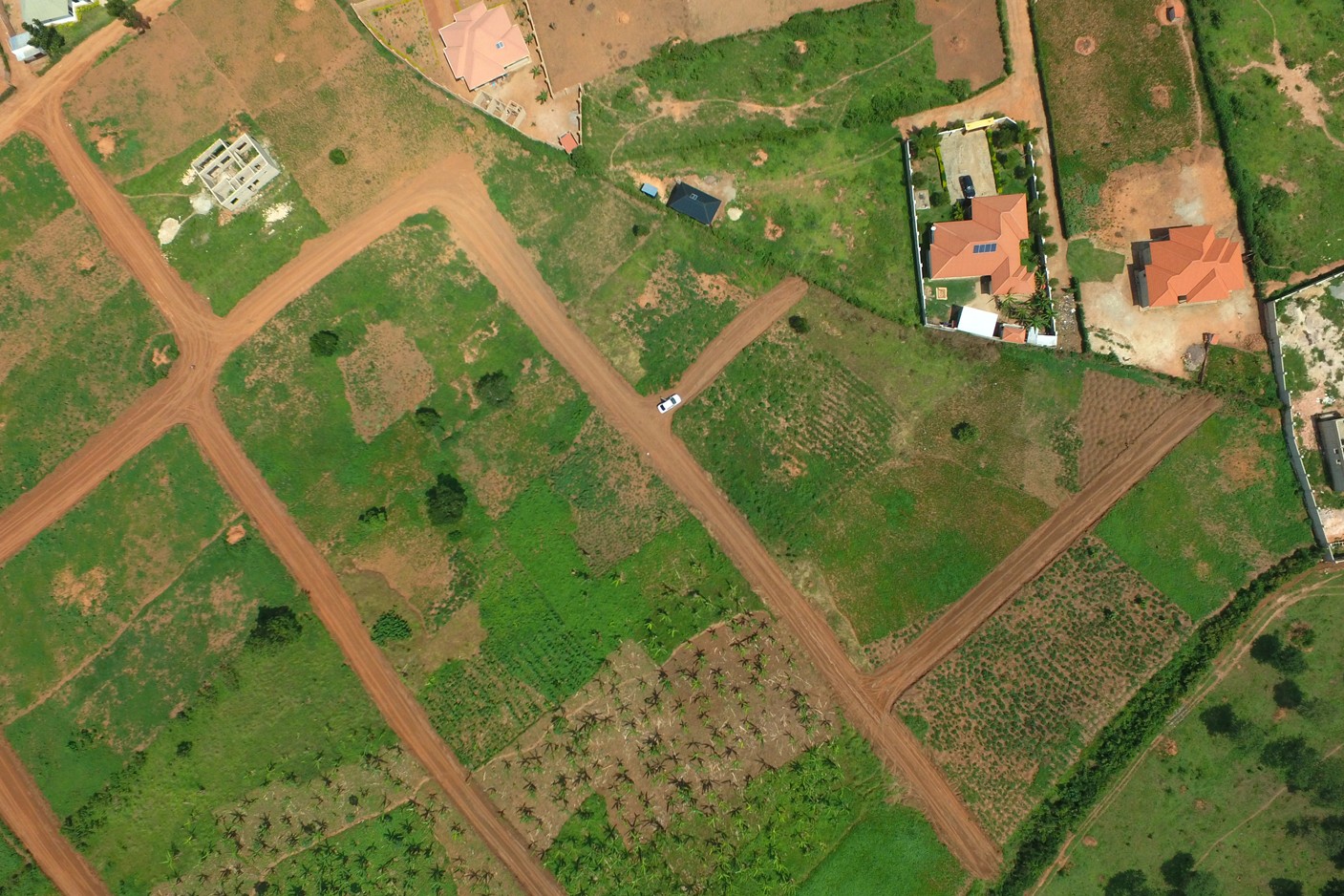
Sembabule District in Uganda’s Central Region is becoming a highly attractive destination for land buyers seeking affordability, expansive acreage, and long-term investment potential. Located southwest of Kampala and bordered by Mubende, Masaka, and Lwengo, Sembabule offers fertile soils, accessible roads, and a growing demand for residential, commercial, and agricultural land. Its proximity to key trading routes and emerging towns makes it ideal for residential homeowners, commercial developers, agricultural investors, estate planners, and long-term land investors.
Buying land in Sembabule, Uganda offers opportunities for a variety of purposes, including housing estates, commercial developments, agricultural projects, and land banking. This guide provides an in-depth look at the Sembabule land market, including district overview, geography and climate, infrastructure, land types, prime areas, pricing trends, legal considerations, investment opportunities, risk management, and long-term outlook.
Overview of Sembabule District
Sembabule District is part of Uganda’s Central Region, bordered by Mubende, Masaka, Lwengo, Bukomansimbi, and Gomba Districts. Sembabule Town serves as the administrative and commercial center, while multiple trading centers support surrounding rural communities.
The district’s economy is primarily driven by:
- Agriculture and livestock farming
- Trade and small-scale commerce
- Emerging real estate development
- Education and public services
- Local artisanal industries
Its vast land availability and low population density make Sembabule one of the most affordable districts for acquiring large plots and long-term investments.
Why Buy Land in Sembabule, Uganda
Sembabule offers multiple advantages for land buyers.
Affordable and expansive land
Land prices in Sembabule remain lower than in urban and peri-urban districts closer to Kampala, allowing buyers to acquire larger plots or prime agricultural land at competitive rates.
Strategic location
Sembabule lies along emerging trade corridors connecting Masaka, Lwengo, and Mubende. This provides access to regional markets and supports future commercial and residential growth.
Agricultural potential
The district’s fertile soils are suitable for:
- Crop farming including maize, beans, and cassava
- Livestock grazing and dairy production
- Cash crops such as coffee
- Horticulture and agribusiness ventures
This makes Sembabule ideal for agricultural investors and large-scale farmers.
Residential and commercial demand
Population growth and regional expansion are driving demand for:
- Residential plots and gated communities
- Rental properties
- Commercial hubs and service centers
Long-term investment opportunities
With ongoing infrastructure improvements and rising regional development, land in Sembabule offers significant appreciation potential over time.
Geography and Climate
Terrain
Sembabule features:
- Gently rolling plains
- Fertile farmland
- Lowland areas suitable for agriculture and development
The land is ideal for farming, residential construction, and estate development.
Climate
The district experiences a tropical climate with:
- Two rainy seasons
- Warm and moderate temperatures year-round
- Adequate rainfall for crops and livestock
This supports both agricultural production and property development throughout the year.
Infrastructure and Accessibility
Road network
Sembabule benefits from:
- Major feeder roads linking towns and trading centers
- Accessibility to Masaka and Mubende
- Ongoing road improvement initiatives
Land along all-weather roads commands premium prices and is easier to develop.
Utilities
Infrastructure in Sembabule continues to improve:
- Electricity availability in towns and peri-urban areas
- Water access through piped systems and boreholes
- Mobile network and internet connectivity
Access to utilities enhances land usability for both residential and commercial purposes.
Social services
The district hosts:
- Schools and tertiary institutions
- Health centers and hospitals
- Markets and banking facilities
- Local administrative offices
Proximity to these services increases land demand and investment value.
Types of Land Available in Sembabule
Sembabule offers a variety of land suitable for different buyers.
Residential land
Residential plots are available in:
- Sembabule Town
- Expanding peri-urban neighborhoods
- Emerging trading centers
Ideal for homes, rentals, and gated communities.
Commercial land
Commercial land is concentrated near:
- Town centers
- Key road junctions
- Emerging trading hubs
Suitable for shops, offices, warehouses, and service businesses.
Agricultural land
Agricultural land supports:
- Food crop production
- Cash crop farming
- Livestock and dairy farming
- Agro-processing ventures
Large acreages are available in rural areas at competitive prices.
Estate development land
Developers target large parcels for:
- Planned residential estates
- Institutional projects
- Mixed-use developments
Investment and land banking
Undeveloped land near growth corridors is increasingly acquired for long-term appreciation.
Key Areas to Buy Land in Sembabule
Sembabule Town
The administrative and commercial hub, suitable for residential, commercial, and rental investments.
Highway and road corridors
Land along main roads connecting Masaka, Lwengo, and Mubende is ideal for commercial, logistics, and mixed-use projects.
Peri-urban neighborhoods
Affordable residential plots are available in emerging neighborhoods near town centers.
Rural agricultural zones
Ideal for farming, ranching, agro-processing, and long-term land investment.
Land Prices and Market Trends in Sembabule
Land prices vary depending on:
- Location and road access
- Plot size and intended use
- Availability of utilities
- Agricultural productivity
Market trends indicate:
- Rising residential demand in town-adjacent areas
- Gradual commercial land appreciation
- Steady interest from agricultural investors
- Increased land banking activity by investors
Sembabule remains one of the most cost-effective districts for land in Central Uganda.
Legal Considerations When Buying Land in Sembabule
Land tenure systems
Land may be held under:
- Freehold
- Leasehold
- Mailo
- Customary tenure
Understanding the tenure system is essential before purchase.
Title verification
Confirm:
- Authentic ownership
- Absence of disputes or caveats
- Accurate land description
Boundary confirmation
Engage licensed surveyors to verify boundaries and plot size.
Local authority verification
Consult local leaders to confirm land history and community acceptance.
How to Buy Land Safely in Sembabule
A secure purchase process includes:
- Physical land inspection
- Legal title search and verification
- Professional surveying
- Clear sale agreements
- Secure payment methods
- Proper registration of ownership
Professional support reduces risk and ensures legal compliance.
Investment Opportunities in Sembabule
Opportunities include:
- Residential estates and rental properties
- Commercial and service-oriented developments
- Large-scale agriculture and agribusiness
- Institutional and community projects
- Long-term land banking for capital appreciation
Sembabule’s affordability and available land make it ideal for diverse investment strategies.
Risks and Risk Management
Potential risks include:
- Boundary disputes
- Fraudulent sellers
- Infrastructure limitations in remote areas
These can be mitigated through due diligence, legal support, and proper planning.
Long-Term Outlook for Land in Sembabule
Sembabule’s land market is poised for growth due to:
- Infrastructure development and road upgrades
- Expansion of residential and commercial demand
- Agricultural and industrial potential
- Increasing investor interest
Early land buyers stand to benefit from long-term appreciation and investment security.
Conclusion
Buying land in Sembabule, Uganda offers significant opportunities for investors and homeowners seeking affordability, strategic location, and long-term growth in the Central Region. With fertile soils, expanding infrastructure, rising residential and commercial demand, and diverse investment options, Sembabule is a prime destination for land acquisition. Conducting proper due diligence ensures that buyers acquire secure land assets with strong long-term value.