
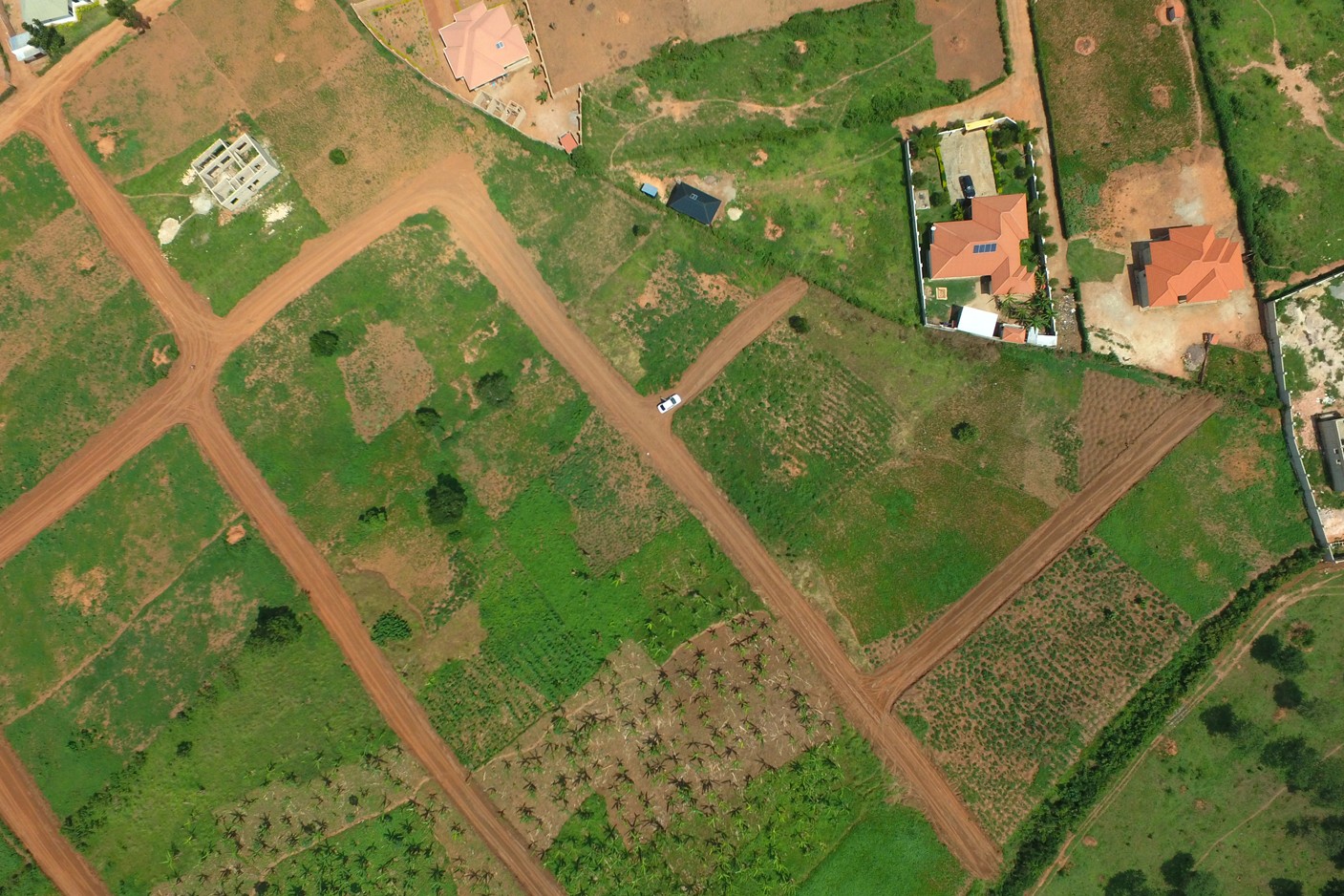
Buying land in Nakasongola, Uganda presents a compelling opportunity for individuals, families, developers, and investors seeking property for residential homes, agriculture, commercial ventures, ranching, estate development, eco‑tourism, and long‑term investment. Located in the Central Region of Uganda, Nakasongola District offers expansive land options, fertile soils in key areas, vast ranch and grazing zones, strategic transport access, and attractive land prices relative to many urban and peri‑urban districts. Whether you are planning to build, farm, develop, or invest, this guide will equip you with a thorough understanding of the Nakasongola land market.
This comprehensive overview covers district context, geography and climate, infrastructure and accessibility, land types, key localities, price trends, legal and due‑diligence processes, investment use cases, risk mitigation, practical steps for buying land, and the long‑term outlook.
Overview of Nakasongola District
Nakasongola District sits north of Kampala and is bordered by Nakaseke to the south, Luweero to the southeast, Apac to the north, and Masindi to the southwest. The district covers large tracts of savannah grasslands, plains, and fertile valleys, offering vast acreage suitable for agriculture, ranching, and development.
The administrative hub is Nakasongola Town, a commercial centre with evolving infrastructure, transport links, and growing demand for residential and commercial land. Historically known for cattle ranching and extensive grazing lands, Nakasongola has expanded its economic base to include crop farming, small trade, peri‑urban development, and emerging investment interest.
Why Buy Land in Nakasongola
Investors and buyers are attracted to land in Nakasongola because of several strategic advantages:
Affordability Compared with Urban Centres
Land in Nakasongola is generally more affordable than in peri‑urban districts closer to Kampala, making it ideal for buyers seeking larger parcels at low per‑acre prices.
Abundant Agricultural Land
The district’s plains and valleys support crop cultivation, horticulture, and livestock production, making agricultural land attractive to commercial farmers and agribusiness investors.
Ranch and Grazing Land Availability
Nakasongola is known for its extensive ranching and grazing lands, ideal for cattle, goat, and sheep farming, dairy operations, and livestock enterprises.
Strategic Transport Linkages
Road corridors linking Nakasongola to Kampala, Luweero, and other major urban centres enhance accessibility and bolster land value.
Residential and Peri‑Urban Development
As urban growth expands outward, there is rising demand for residential and mixed‑use land suitable for homes, rentals, and estate development.
Commercial Land Demand
Plots along major highways and trading routes appeal to businesses such as shops, service stations, warehouses, and logistics hubs.
Long‑Term Value Appreciation
Ongoing infrastructure improvements and growing economic activity contribute to long‑term land value growth, making investment in Nakasongola plots a viable strategy.
Geography and Climate
Terrain
Nakasongola’s landscape includes:
- Savannah grasslands: Ideal for grazing and ranching
- Gently rolling plains: Suitable for farming and development
- Lowland valleys: Productive agricultural zones
- Seasonal wetlands: Supporting specific crop irrigation systems
This diversity supports agricultural production, ranching, and residential settlement.
Climate
The district experiences a tropical climate with:
- Two distinct rainy seasons (typically March–May and September–November)
- Dry periods that support grazing and livestock management
- Year‑round temperatures favorable to diversified agricultural activities
The climate facilitates both rainfed and irrigated agriculture.
Infrastructure and Accessibility
Road Networks
Accessibility is a key driver of land value in Nakasongola. The district is linked by:
- Major national highways connecting to Kampala, Luweero, and northern markets
- Feeder roads connecting rural land to trading centres
- Rural paths transitioning to all‑weather roads
Land parcels near well‑maintained roads command higher prices due to accessibility and economic prospects.
Utilities
Availability of utilities enhances land usability:
- Electricity: Distributed in trading centres and expanding into peri‑urban areas
- Water: Boreholes, springs, and piped water in select hubs
- Telecommunications: Mobile networks and internet coverage support business and personal needs
Access to utilities increases desirability for residential and commercial developments.
Social Services
Schools, health facilities, markets, and civic structures in and around trading hubs contribute to land demand, especially for families and residential development.
Types of Land Available for Sale
Buyers in Nakasongola will find a wide range of land categories, each tailored to specific uses:
Residential Plots
Residential land is available in town centres, peri‑urban areas, and smaller communities. These plots are suitable for:
- Family homes
- Rental units
- Retirement homes
- Mid‑density residential estates
Common plot sizes range from ¼ acre to 1 acre and beyond, with services and utilities influencing pricing.
Agricultural and Farm Plots
Agricultural land supports:
- Staple crop farming (maize, beans, millet)
- Horticultural cultivation
- Fruit and vegetable production
- Irrigated agriculture in select zones
These plots attract both subsistence and commercial farmers seeking productive soils and scale.
Ranching and Livestock Land
Nakasongola’s grasslands are ideal for:
- Cattle grazing and ranching
- Dairy production
- Goat and sheep farming
- Pasture improvement projects
Large tracts are often purchased for commercial ranch operations.
Commercial Land
Commercial parcels are typically found:
- Along major transport corridors
- Near bustling trading centres
- Adjacent to bus stages and transport hubs
These plots are ideal for:
- Retail shops
- Warehouses
- Logistics and supply depots
- Service stations
Estate Development Land
Large acreages (typically five acres and above) are ideal for:
- Planned residential estates
- Gated communities
- Subdivision into plots for resale or lease
Estate development is attractive for targeting middle‑income housing markets.
Investment and Land Banking Land
Investors often acquire land without immediate development plans, anticipating future value appreciation as infrastructure and demand expand.
These strategic parcels are commonly located near growth corridors and planned service expansions.
Key Localities for Land in Nakasongola
Understanding where land is most actively traded helps buyers align their objectives with optimal locations.
Nakasongola Town and Nearby Areas
As the administrative and commercial nucleus, Nakasongola Town offers:
- Residential plots close to services
- Commercial land for shops and businesses
- Plots near utilities and transport links
The urban edge is attractive for mixed‑use development.
Wabinyonyi and Surrounding Communities
Wabinyonyi and neighbouring zones are known for:
- Large agricultural plots
- Ranching and livestock land
- Rural residential parcels with growth potential
These areas balance accessibility with affordability.
Kakooge and Nakitoma Corridor
These corridors connect rural zones to trading centres and provide:
- Agricultural acreage
- Ranch and grazing land
- Rural residential plots
Land here is suited for both commercial agriculture and large estate plots.
Kalongo and Nabiswera Regions
These localities are appealing for:
- Larger commercial farming tracts
- Ranching and livestock operations
- Investment land parcels
They often offer lower per‑acre pricing with expansive acreage.
Lwampanga and Rural Hinterlands
Further from main hubs, these regions provide:
- Spacious ranching land
- Agribusiness parcels
- Land bankable for future projects
While more remote, they offer value per acre and development potential as infrastructure improves.
Price Trends and Market Dynamics
Land prices in Nakasongola vary depending on location, land type, size, access to utilities, soil quality, and development potential.
Residential Plot Pricing
- Urban and peri‑urban residential land near utilities commands higher prices
- Residential plots in interior rural areas are lower per acre but larger in size
- Demand near social services and major road networks drives faster appreciation
Agricultural Land Pricing
- Agricultural land near roads and water access tends to command moderate pricing
- Remote agricultural acreage is more affordable per acre but may require additional access investment
Soil fertility, water availability, and ease of market access influence agricultural land values.
Commercial Parcel Pricing
- Highway frontage parcels carry a premium due to visibility and traffic exposure
- Land near busy trading centres is priced based on business potential and customer flow
Commercial land values are tied to expected economic returns from retail and service enterprises.
Estate Development Land Pricing
- Large parcels near growth centres and utilities attract mid‑to‑high pricing
- Remote estate land is more affordable per acre but requires infrastructure investment
Estate land values are influenced by planned development and demographic expansion.
Investment Land Pricing
- Growth corridor and future service expansion parcels command higher pricing based on expectations
- Deep rural parcels are more affordable but may appreciate slowly
Investment land pricing reflects speculative future demand and accessibility.
How to Buy Land in Nakasongola Safely
Clarify Your Land Purpose
Identify whether the land is for:
- Residential development
- Commercial enterprise
- Agricultural production
- Estate subdivision
- Long‑term investment
Clear objectives inform location choice and due‑diligence focus.
Verify Ownership and Title
Conduct a title search at the Land Registry to confirm:
- The seller is the registered owner
- The title document is genuine and current
- There are no encumbrances or legal disputes
Engage a qualified advocate for assistance.
Local Authority Consultation
Consult local leaders (LC officials, neighbours, community elders) to:
- Confirm land history and long‑term occupancy
- Clarify boundary consensus
- Identify potential competing claims
Local insights often uncover issues not evident in documentation.
Professional Land Survey
Hire a licensed surveyor to:
- Confirm boundary pegs accurately
- Match the land to the title’s description
- Produce a survey plan suitable for registration
Surveying prevents future boundary disputes.
Legal Review and Sale Agreement
A qualified advocate should:
- Review all documents
- Prepare or review the sale agreement
- Clarify payment terms and transfer process
- Ensure compliance with Uganda’s land laws
Legal guidance protects your investment and clarifies obligations.
Secure Payments Through Official Channels
Ensure payment methods are traceable:
- Bank transfers
- Documented financial instruments
- Receipted and witnessed transactions
Avoid unreceipted cash payments.
Register the Land Transfer
After executing the sale agreement:
- Submit all documents to the Land Registry
- Pay stamp duty and registration fees
- Ensure the title is updated in your name
Registration completes legal ownership.
Legal Considerations When Buying Land
Understanding the legal environment is essential:
Types of Tenure
Uganda recognizes various land tenure systems:
- Freehold: Complete ownership rights
- Leasehold: Time‑limited rights
- Mailo: Perpetual ownership that may include occupants
- Customary: Traditional tenure convertible to formal title
Confirm the tenure type before purchase.
Taxes and Fees
Buying land involves:
- Stamp duty
- Registration fees
- Legal fees
Include these costs in your budget.
Encumbrances and Covenants
Ensure the land is free from:
- Mortgages
- Attachments
- Restrictive covenants
A clean title reduces legal risk.
Zoning and Planning Compliance
Check with local authorities regarding:
- Permitted land uses
- Environmental restrictions
- Development regulations
Compliance ensures lawful land utilization.
Use Cases for Land in Nakasongola
Residential Development
Buyers acquire land to:
- Build family homes
- Develop rental units
- Establish residential estates
Residential land near utilities and services tends to appreciate faster.
Commercial Ventures
Entrepreneurs purchase land for:
- Retail shops
- Warehouses
- Service stations
- Logistics centres
Commercial land near transport hubs yields strong exposure.
Agricultural Enterprises
Farmers and agribusiness investors buy land for:
- Crop cultivation
- Horticulture
- Livestock grazing
Nakasongola’s soils and climate support diversified agriculture.
Estate Development
Developers acquire large tracts to:
- Subdivide into plots
- Build planned communities
- Sell or rent developed properties
Estate projects require planning and phased investment.
Long‑Term Investment (Land Banking)
Investors acquire land to:
- Hold for future appreciation
- Subdivide later
- Benefit from expected infrastructure growth
Land banking is a long‑term capital strategy.
Practical Tips for Land Buyers
- Inspect land personally at different times
- Confirm utility access and rights of way
- Compare multiple listings to gauge fair market value
- Document all agreements in writing
- Work with licensed professionals — advocates, surveyors, agents
- Evaluate local development plans before purchase
Risks and Mitigation Strategies
Boundary Disputes
Mitigation: Professional survey and local verification
Fake or Forged Titles
Mitigation: Title search and legal review
Hidden Encumbrances
Mitigation: Registry checks with legal counsel
Infrastructure Limitations
Mitigation: Confirm access rights and development plans
Long‑Term Outlook for Nakasongola Land
Nakasongola’s land market remains poised for growth due to:
- Expanding infrastructure (roads, utilities)
- Rising residential and commercial demand
- Agricultural productivity improvements
- Increased investment from regional and diaspora buyers
Land acquired today — particularly near growth corridors and transport hubs — is likely to appreciate substantially over time.
Conclusion
Buying land in Nakasongola, Uganda offers a wide spectrum of opportunities for residential homeowners, commercial developers, agricultural investors, estate planners, and long‑term investors. With abundant land, strategic transport access, fertile soils, expanding infrastructure, and affordable pricing compared with many urban and peri‑urban districts, Nakasongola stands out as a dynamic and high‑potential land market in the Central Region.
By conducting thorough due diligence, engaging legal and surveying professionals, and aligning land purchases with clear goals and risk‑mitigation strategies, buyers can secure property that meets their needs and promises sustainable value over the short and long term.