
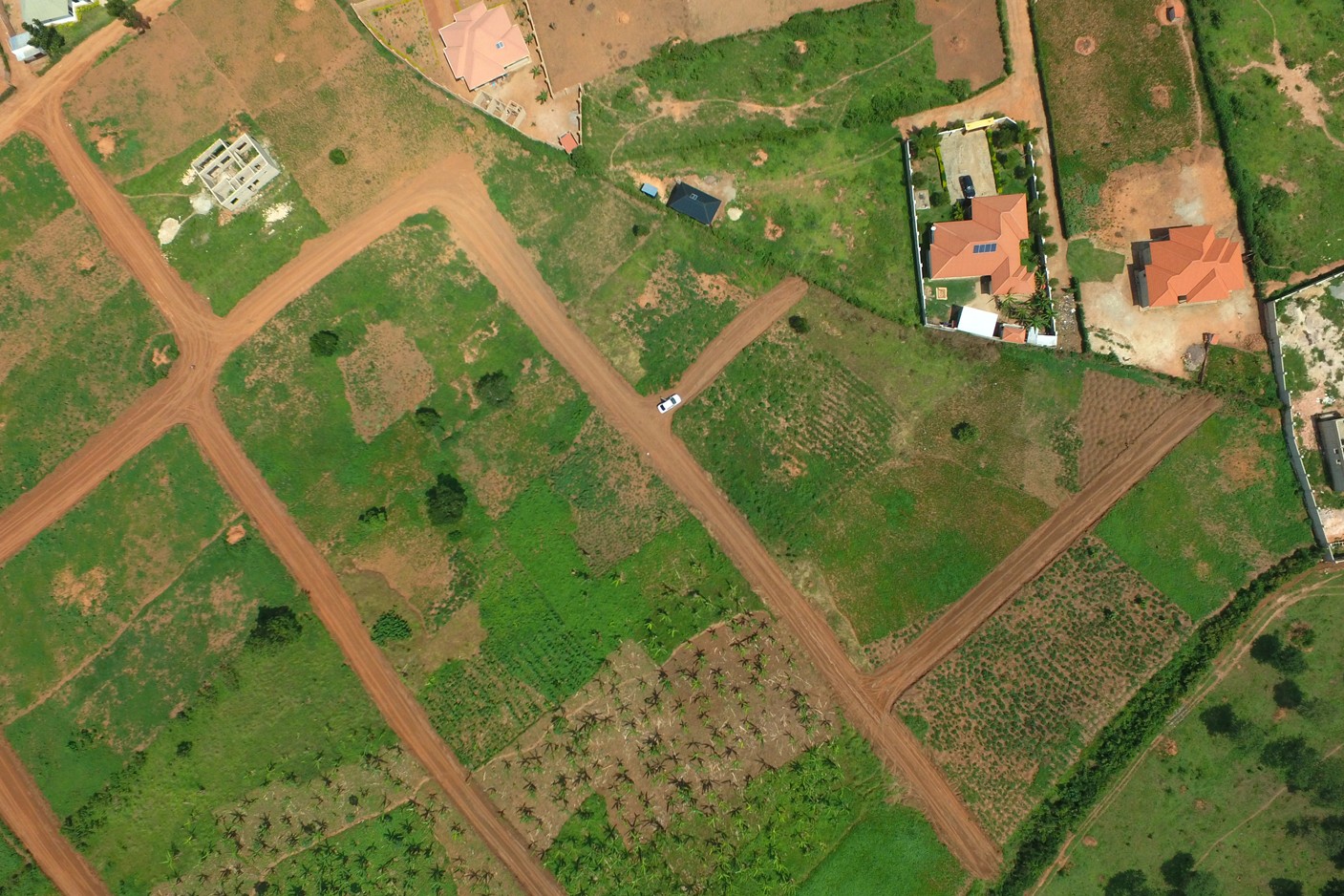
Buying land in Mukono, Uganda presents one of the most strategic real estate opportunities in the Central Region. Mukono District borders Kampala, benefits from major transport corridors, and is part of the Greater Kampala Metropolitan Area (GKMA), making it highly attractive for residential developers, commercial investors, industrial projects, agricultural enterprises, estate planners, diaspora property buyers, and long-term land bankers. Whether your objective is to build a home, establish a business, develop an estate, farm commercially, or invest for future value appreciation, Mukono’s land market offers diverse opportunities.
This comprehensive guide equips you with practical, actionable information about buying land in Mukono, Uganda — including district context, geography and climate, infrastructure and accessibility, types of land available, price dynamics, legal considerations, step-by-step buying process, investment use cases, risk mitigation, and outlook.
Overview of Mukono District
Mukono District is located in central Uganda just east of Kampala, forming a key part of the Greater Kampala Metropolitan Area. It shares borders with Wakiso, Jinja/Busoga sub-region, Kayunga, Buikwe, and Kalangala districts, and it includes a section of Lake Victoria’s northern shoreline. The district headquarters is Mukono Town, a vibrant hub for commerce, services, and governance.
Mukono’s landscape features fertile plains, rolling hills, lakeshore areas, and peri-urban growth corridors, supporting a wide range of land uses — from agriculture and residences to industrial, commercial, and mixed-use developments.
Why Buy Land in Mukono
Proximity to Kampala
Mukono’s close proximity to Kampala makes it appealing to buyers who want urban connectivity without Kampala’s high land prices. Commuter access to employment, services, and commerce is a key driver of demand.
Strategic Transport Access
Major transport arteries such as the Kampala–Jinja Highway, Northern Bypass interchanges, and feeder links enhance connectivity, increasing land value and development appeal.
Urban and Peri-Urban Demand
Population growth, urban expansion, and increased demand for housing, retail, and services drive land prices in peri-urban and emerging urban zones.
Commercial and Industrial Opportunity
Mukono’s strategic position along industrial and logistics corridors attracts investors buying land for:
- Warehouses
- Distribution centres
- Light industrial facilities
- Retail and mixed-use developments
Agricultural and Horticultural Prospects
Interior and peri-urban land not yet developed supports agriculture, horticulture, plantations, and livestock grazing.
Social and Economic Services
The district hosts schools, tertiary institutions, healthcare facilities, shopping centres, and civic services — all of which enhance land demand and value.
Appreciation Potential
Infrastructure expansion and continued urbanisation are expected to support steady land value appreciation.
Geography and Climate
Terrain
Mukono features:
- Fertile valleys and lowlands suitable for farming and horticulture
- Rolling hills and plains ideal for residential, commercial, and mixed land use
- Lakeshore landscapes that appeal to eco-tourism and residential waterfront development
This varied landscape accommodates diverse types of land development.
Climate
The district has a tropical climate with:
- Two rainy seasons (typically March–May and September–November)
- Warm temperatures year-round
- Dry seasons suitable for grazing and land preparation
The climate supports a range of agricultural and construction activities throughout the year.
Infrastructure and Accessibility
Road Networks
Road access is a major determinant of land value in Mukono:
- Kampala–Jinja Highway: A principal national corridor that bisects the district
- Eastern Bypass Connector and Northern Bypass: Improve access to Kampala and industrial zones
- Feeder and local roads: Link peri-urban and rural lands to major arteries
Land parcels with direct or close access to tarmacked roads command higher prices due to convenience, accessibility, and exposure.
Utilities
Access to utilities enhances land usability:
- Electricity: Widely available in urban and peri-urban areas, expanding outward
- Water: Piped water in major centres; boreholes and wells in rural zones
- Telecommunications: Mobile network and internet coverage throughout the district
Utilities significantly improve the development potential of residential, commercial, and industrial land.
Social Services and Amenities
Mukono hosts an array of social infrastructure — schools, health facilities, banks, markets, shopping centres — all of which boost land demand in surrounding areas.
Types of Land Available for Sale
Mukono’s land market includes a broad range of land categories to suit different buyer needs:
Residential Land
Suitable for building:
- Private homes
- Rental properties
- Apartments and condominiums
- Gated estates
Residential plots are found across Mukono Town, peri-urban neighbourhoods, and emerging suburbs.
Typical plot sizes include:
- 50×100 ft
- 100×100 ft
- ¼ acre
- ½ acre
- 1 acre
Plots closer to utilities and services command higher prices.
Commercial Land
Commercial plots are typically located:
- Along major roads and highways
- Near trading centres
- Adjacent to transport hubs
Ideal uses include:
- Retail outlets
- Shopping centres
- Offices and business parks
- Service stations
- Hospitality ventures
Commercial lands near high-traffic areas have strong demand and pricing.
Industrial and Logistics Land
Industrial parcels are prominent near key transport nodes. Suitable uses include:
- Warehouses
- Distribution centres
- Light manufacturing
- Logistics and support facilities
Industrial land values reflect expected revenue and strategic access.
Agricultural and Horticultural Land
Interior zones not yet urbanised support:
- Crop farming
- Horticulture and plantations
- Livestock grazing systems
Larger agricultural parcels may be acquired for commercial farming and agribusiness projects.
Estate Development Land
Larger acreage land (e.g., 5 acres and above) is ideal for:
- Planned residential estates
- Plot subdivisions
- Mixed-use developments
Estate land remains attractive to developers targeting diversified housing markets.
Investment and Land Banking Land
Investors often acquire land without immediate plans, anticipating value appreciation due to infrastructure expansion and urban growth.
Key Localities for Land in Mukono
Understanding where plots are actively transacted helps buyers focus on areas that align with their objectives:
Mukono Town and Urban Fringe
As the district’s administrative and commercial centre, land around Mukono Town is in high demand for:
- Residential plots near services
- Rental housing
- Retail and commercial sites
Proximity to utilities and a developed civic core enhances land value.
Kampala–Jinja Highway Corridor
Land along the highway is attractive for:
- High-visibility commercial plots
- Mixed-use developments
- Hospitality and retail ventures
High traffic volume and accessibility drive demand.
Interior Peri-Urban Zones
Areas such as:
- Bukerere
- Seeta
- Kiyindi
- Kasokoso
These offer residential and agrarian land at more accessible pricing with strong development growth.
Lakeshore and Waterfront Areas
Land near Lake Victoria shoreline attracts:
- Waterfront residences
- Eco-tourism projects
- Recreational and leisure facilities
Scenic value contributes to higher pricing in these zones.
Emerging Suburban Neighbourhoods
Areas such as:
- Namugongo–Kajjansi Corridor
- Njeru fringes (near Jinja Road)
These emerging zones blend connectivity with affordability and are attractive for long-term investment.
Price Trends and Market Dynamics
Land prices in Mukono vary depending on:
- Proximity to major infrastructure
- Access to utilities and services
- Plot size and intended use
- Nearby economic activity
Residential Plot Pricing
- Urban and peri-urban plots: Higher due to proximity to services
- Emerging neighbourhood plots: Moderate with growth potential
- Interior rural plots: Lower per acre but larger parcels
Residential plots near schools, clinics, and transport nodes appreciate faster.
Commercial Parcel Pricing
- Highway frontage: Premium pricing
- Near trading centres: Mid-range
Commercial land pricing reflects customer access and business revenue potential.
Industrial Land Pricing
- Near transport nodes and bypasses: Higher
- Peripheral industrial zones: Moderate
Industrial land reflects logistical advantage.
Agricultural Land Pricing
- Cultivable plots near roads: Mid-range
- Large rural agricultural acreage: Lower per acre
Soil fertility, water access, and ease of transport influence agricultural land value.
Investment Land Pricing
- Growth corridor plots: Mid-to-high pricing
- Deep rural investment land: Low per acre with future upside
Investors typically choose land near planned developments and infrastructure upgrades.
How to Buy Land in Mukono Safely
Purchasing land in Uganda — including Mukono — requires thorough diligence to avoid disputes and ensure secure ownership.
1. Define Your Purpose
Clarify whether the land is intended for:
- Residential development
- Commercial enterprise
- Agricultural production
- Estate subdivision
- Long-term investment
Your purpose determines your location, size, and budget.
2. Verify Ownership and Title
Conduct a title search at the Land Registry to confirm:
- The seller is the registered owner
- The title document is genuine and current
- There are no caveats, encumbrances, or disputes
Engage a qualified advocate for assistance.
3. Local Authority Consultation
Consult local leaders (LC officials, neighbours) to:
- Confirm land history and occupancy
- Clarify boundaries
- Identify potential informal or competing interests
Local insights often reveal issues not evident in documents.
4. Professional Land Survey
Hire a licensed surveyor to:
- Confirm boundary pegs
- Match the land to the titled description
- Produce a survey plan for registration
Accurate surveying prevents boundary disputes.
5. Legal Review and Sale Agreement
A qualified advocate should:
- Review all documents
- Draft or review the sale agreement
- Clarify payment terms and transfer procedures
- Ensure compliance with Ugandan land laws
Legal support protects your interests and clarifies obligations.
6. Secure Payments Through Official Channels
Ensure payments are:
- Made via bank transfer
- Documented with written receipts
- Witnessed and recorded professionally
Avoid unreceipted cash payments.
7. Register the Land Transfer
After executing the sale agreement:
- Submit documents to the Land Registry
- Pay stamp duty and registration fees
- Confirm the title is updated in your name
Registration finalises legal ownership and protects against future claims.
Legal Considerations When Buying Land
Types of Land Tenure
Uganda recognises several land tenure systems:
- Freehold: Complete ownership rights
- Leasehold: Rights for a specified period
- Mailo: Perpetual ownership, sometimes with occupants
- Customary: Traditional tenure, often convertible to formal title
Confirm land tenure type before purchase.
Taxes and Fees
Land purchases involve:
- Stamp duty
- Registration fees
- Legal fees
- Surveyor fees
Include these costs in your overall budget.
Encumbrances and Covenants
Ensure the land is free from:
- Mortgages
- Attachments
- Restrictive covenants
Clear titles reduce legal risk.
Zoning and Planning
Verify with local authorities:
- Permitted land use
- Building regulations
- Environmental safeguards
Compliance avoids future development limitations.
Use Cases for Land in Mukono
Residential Development
Plots are acquired for:
- Family homes
- Rental units
- Apartments
- Gated estates
Residential land near utilities enjoys high demand.
Commercial Ventures
Entrepreneurs purchase land for:
- Retail shops
- Offices
- Service stations
- Hospitality
Commercial plots near major roads generate significant traffic flow.
Industrial and Logistics
Industrial land supports:
- Warehouses
- Distribution
- Light manufacturing
Industrial locations near transport corridors fetch premium interest.
Estate Development
Developers buy land to:
- Subdivide parcels
- Build planned communities
- Lease or sell developed units
Estate projects require planning and phased investment.
Long-Term Investment (Land Banking)
Investors acquire land to:
- Hold for future appreciation
- Subdivide and develop later
- Capitalise on projected infrastructure
Land banking is a conservative growth strategy.
Practical Tips for Land Buyers
- Visit the land before committing
- Confirm access to utilities and transport links
- Compare multiple listings to gauge fair pricing
- Document all agreements in writing
- Work with licensed professionals — advocates, surveyors, agents
- Review development plans before investing
Risks and Mitigation Strategies
Boundary Disputes
Mitigation: Professional survey and local verification
Fake or Forged Titles
Mitigation: Verified title search and legal counsel
Unclear Encumbrances
Mitigation: Registry checks with legal review
Infrastructure Limitations
Mitigation: Confirm access rights and planned development
Long-Term Outlook for Land in Mukono
Mukono’s land market is expected to continue appreciating due to:
- Urban and peri-urban expansion
- Infrastructure upgrades
- Increased commercial and industrial activity
- Rising residential demand
- Strategic connectivity to Kampala and major corridors
Land acquired today, especially near growth corridors and services, is positioned for value growth in the medium and long term.
Conclusion
Buying land in Mukono, Uganda offers diverse opportunities for residential homeowners, commercial developers, industrial investors, agricultural enterprises, estate planners, and long-term investors. With its strategic location near Kampala, evolving infrastructure, expanding services, and fertile land, Mukono stands out as one of the most promising land markets in the Central Region. Following proper due diligence, legal verification, surveying, and alignment with your objectives and risk tolerance will position you to secure land that meets your goals and delivers sustainable value over time.