
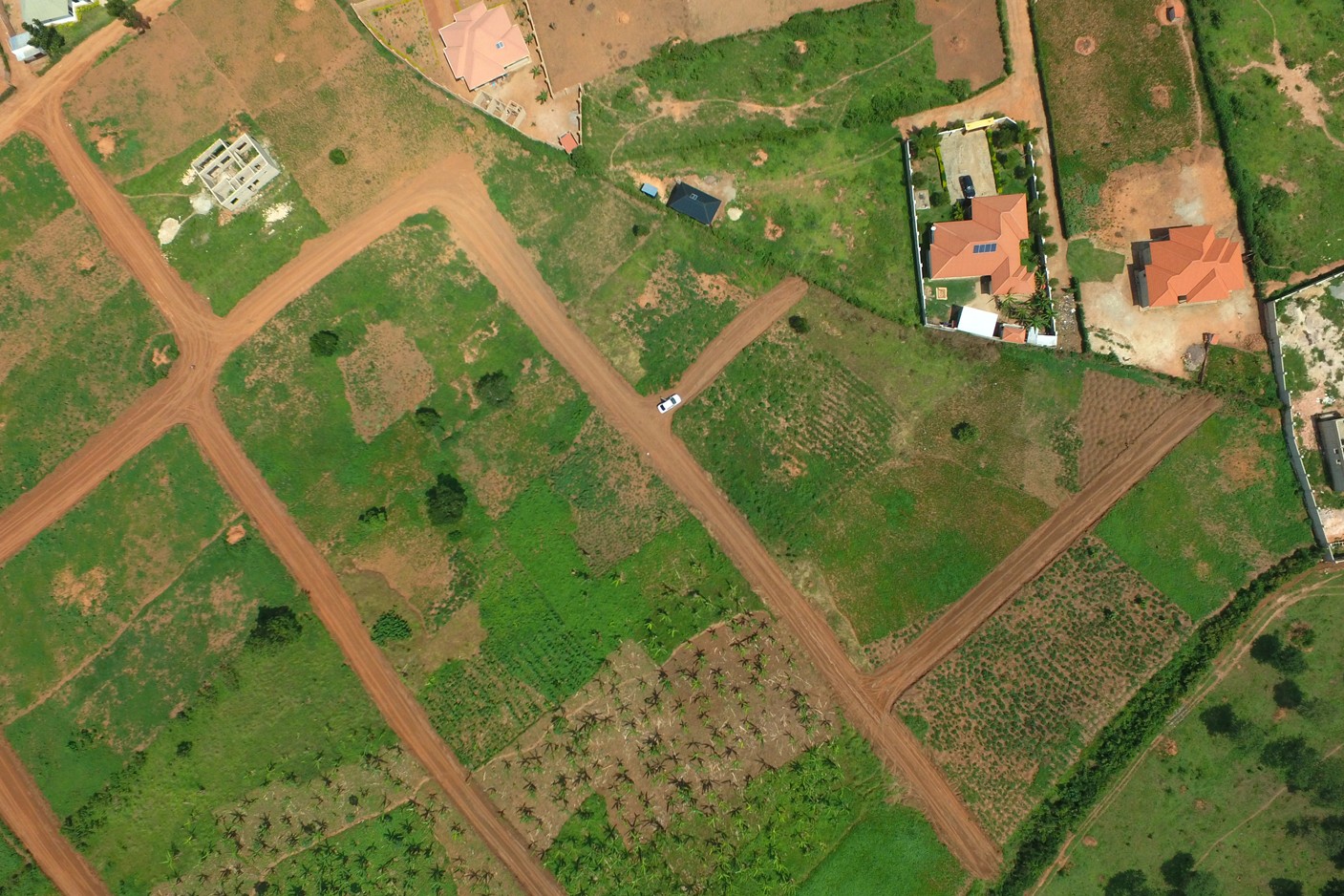
Buying land in Mubende, Uganda offers one of the most strategic opportunities for residential homeowners, farmers, commercial developers, and long‑term investors seeking land in a prospering district in Uganda’s Central Region. With fertile soils, expanding infrastructure, strong transport links, growing peri‑urban settlements, and relatively affordable prices compared with many urban centres, Mubende has become a prime land market.
This article provides a comprehensive, practical, and detailed guide on land for sale in Mubende. You will learn about district overview, top buying zones, price trends, land types, investment use cases, risks and mitigation, legal and due‑diligence frameworks, and step‑by‑step guidance for buying land safely.
Introduction to Mubende District
Mubende is located in the Central Region of Uganda, serving historically as an agricultural heartland and increasingly as a peri‑urban zone with growing commercial and residential demand. The district lies on the Kampala–Mubende–Fort Portal transport corridor, linking central Uganda to the western regions. Mubende Town is the administrative and economic centre, surrounded by trading hubs, roadside communities, and vast expanses of farmland.
The district covers a variety of landscapes including fertile plains, gently rolling hills, valleys, and woodlands. Climatically, Mubende enjoys a tropical climate with two rainy seasons, supporting a diversity of crops such as coffee, maize, beans, cassava, groundnuts, and horticultural produce. Livestock farming also thrives here.
Why Buy Land in Mubende
Investing in land in Mubende offers several advantages:
- Strategic Location: Direct access to the Kampala–Mubende–Fort Portal and Mubende–Kyenjojo transport corridors connects the district to major commercial and economic hubs.
- Proximity to Kampala: Located within reasonable distance of the capital city, making it attractive for commuters and investors seeking alternates to urban land prices.
- Fertile Agricultural Land: Ideal for commercial farming, horticulture, livestock, and agribusiness.
- Growing Population: Rising demand for residential and rental properties.
- Improving Infrastructure: Upgrading of roads, utilities, and social infrastructure — including schools, clinics, and markets.
- Affordable Entry Prices: Land prices are more accessible compared with peri‑urban areas closer to Kampala or major cities.
- Investment Growth Potential: As infrastructure improves, land values are poised for appreciation.
Mubende’s Position in the Real Estate Landscape
Mubende has evolved from a primarily agricultural district to a mixed land‑use market where residential, commercial, and investment interests increasingly intersect with traditional farming prospects. Its connectivity and relative affordability make it a destination for:
- First‑time homebuyers
- Land banking investors
- Commercial entrepreneurs
- Agricultural producers
- Real estate developers
- Diaspora investors
District Overview: Geography, Connectivity, and Economy
Geography
Mubende District is characterized by fertile soils, lowland plains, and rolling hills. The terrain supports robust agricultural productivity and heterogeneous land use patterns. The soils are generally loamy and well suited for both subsistence and commercial crops.
Connectivity
Connectivity is one of Mubende’s greatest assets:
- The Kampala–Mubende Road (tarmacked highway) links the district directly to the capital.
- Secondary feeder roads connect rural locations to trading centres.
- Local transport routes enhance movement of goods and people.
Improving road infrastructure is expanding access to previously remote plots, increasing their viability for development.
Economy
The local economy remains anchored in agriculture but is increasingly diversified:
- Crop agriculture (coffee, maize, beans, cassava, groundnuts)
- Livestock farming (cattle, goats, poultry)
- Horticulture
- Small‑scale manufacturing
- Retail and service sectors
The presence of markets and trading hubs supports cash flow and liquidity in the district’s land market.
Top Localities for Land in Mubende District
Understanding the local landscape helps narrow down where to buy land based on objectives and budget. Below are key zones with distinct land characteristics.
Mubende Town and Urban Periphery
Mubende Town remains the district’s commercial and administrative centre and is the most developed locality for residential and commercial land.
Attributes:
- Access to utilities (water, electricity)
- Schools, clinics, and services within close range
- Proximity to banks, markets, and business activity
Land Uses:
- Residential plots for homes and rentals
- Commercial land for shops, offices, and service businesses
- Mixed‑use development
Price Trends:
- Plots near the town centre command higher values due to demand and infrastructure access.
Kassanda Road and Peri‑Urban Growth Zones
The Kassanda–Mubende Road corridor is a growing peri‑urban market where land is increasingly sought due to accessibility and affordability.
Attributes:
- Good connectivity
- Access to water and power utilities gradually improving
- Suitable for residential and agricultural use
Land Uses:
- Residential development
- Mixed farming and homesteads
- Rental housing estates
Price Trends:
- Values here are moderate, balancing accessibility with affordability.
Kanoni and Rural Agricultural Belt
Kanoni and adjacent hinterland areas offer expansive tracts of farmland at lower per‑acre prices — ideal for agriculture and agribusiness.
Attributes:
- Fertile soils
- Large acreage availability
- Lower per‑acre cost compared to trading centres
Land Uses:
- Commercial farming
- Livestock farming
- Agro‑industrial projects
Price Trends:
- Lower per‑acre values with potential for moderate appreciation as infrastructure spreads.
Nkozi and Strategic Road Junctions
Areas near Nkozi and major road junctions represent strategic buying zones, especially for buyers targeting commercial ventures or medium‑sized farms with good access.
Attributes:
- Easy access to major transport networks
- Higher traffic visibility
- Emerging peri‑urban development
Land Uses:
- Commercial parcels
- Residential plots
- Mixed agriculture
Price Trends:
- Mid‑range values, reflecting both accessibility and development potential.
Rural Hinterlands and Large Acreage Zones
The more remote land in Mubende’s rural hinterlands is usually very affordable but requires investment in access and utilities. These zones are ideal for:
- Large land banking investments
- Commercial agricultural operations
- Ranching and agro‑processing enterprises
Price Trends:
Generally the lowest per‑acre prices but significant upside potential if infrastructure improves or demand increases.
Types of Land Available for Sale in Mubende
Land in Mubende is offered in several categories — each suited to different buyer goals and investment logic.
Residential Plots
Smaller parcels, including:
- Standard urban plots (e.g., 50×100 ft)
- Medium plots (¼ acre)
- Half‑acre parcels
These are commonly purchased by individuals, families, and small investors.
Best For:
- Family homes
- Rental units
- Small estate developments
Agricultural and Farmland
Large acreage parcels are typical for crop agriculture and livestock farming.
Best For:
- Commercial crop production
- Plantation agriculture
- Mixed livestock and crop systems
Commercial Land
Land adjacent to major roads or trading centres with visibility and traffic — ideal for business ventures such as:
- Shops and retail spaces
- Warehouses
- Gas stations
- Logistics hubs
Best For:
- Entrepreneurs
- Small business owners
- Developers targeting income‑producing assets
Estate Development Land
Large land tracts suitable for subdivision into residential plots or planned communities.
Best For:
- Real estate developers
- Estate planners
- Investment syndicates
Land for Investment (Land Banking)
Parcels held for long‑term appreciation. This category often involves:
- Large acreage holdings
- Undeveloped land positioned near growth corridors
- Strategic acquisition ahead of infrastructure improvements
Best For:
- Long‑term investors
- Syndicate or corporate buyers
Price Trends and Market Analysis
Mubende land prices vary widely based on location, access to infrastructure, land type, and development potential. While exact pricing evolves with market conditions, the following approximate ranges reflect typical observations (subject to current local data at the time of purchase):
Residential Plot Prices
- Mubende Town (Urban Plots): Generally higher due to demand and amenities
- Peri‑Urban Fringe Plots: Moderate pricing with growth potential
- Interior Rural Residential Parcels: Lower pricing with larger sizes available
Residential plots near schools, clinics, and utilities tend to appreciate faster.
Agricultural Land Prices
- Fertile and Accessible Farmland: Mid‑range pricing
- Remote Farming Parcels: Lower per‑acre pricing but greater distance from services
Agricultural land is priced on productivity prospects and access to markets.
Commercial Parcel Prices
- Road Corridor Parcels: Premium pricing due to business potential
- Trading Centre Land: Mid‑range pricing reflecting local commercial activity
Commercial plots near high‑traffic zones can yield rental or business income.
Investment Land Prices
- Strategic Growth Zones: Mid‑range with appreciation prospects
- Remote Bankable Land: Lower prices reflecting longer holding periods
Investment land pricing is influenced more by future growth expectations than immediate use.
Demand Drivers in Mubende’s Land Market
Several forces shape land demand in Mubende:
- Residential expansion as families seek affordable housing outside urban cores
- Agricultural investment for crop production and livestock
- Commercial development targeting trading hubs and high‑traffic corridors
- Peri‑urban growth as towns expand outward
- Speculative investment anticipating long‑term value gains
Buyers with diverse objectives are drawn to Mubende, creating a multi‑layered market.
How to Buy Land in Mubende Safely
Buying land in Uganda requires structured due diligence to reduce fraud and disputes. Below is a step‑by‑step guide to ensure a secure purchase.
Step 1: Clarify Land Purpose
Before searching, define your objective:
- Residential home
- Farm or agribusiness
- Commercial project
- Estate development
- Long‑term investment
This focus streamlines your search and due‑diligence checklist.
Step 2: Verify Ownership and Title
Conduct a title search at the Land Registry to confirm:
- The seller’s name matches the registered owner
- The title is authentic
- There are no disputes, caveats, or encumbrances
This is essential before negotiating price or signing agreements.
Step 3: Engage Local Authority Verification
Meet with local leaders (LC officials, neighbours, community members) to confirm:
- Historical boundaries
- Absence of disputes
- Confirmation that the seller has legitimate authority to sell
This local insight can uncover issues not visible on documents.
Step 4: Professional Land Survey
Hire a licensed surveyor to:
- Confirm boundary pegs
- Verify that the physical land matches the title
- Produce a survey plan to record with registry
Accurate surveying prevents future boundary disputes.
Step 5: Legal and Advocate Review
A qualified advocate should:
- Review title documents
- Draft or review sale agreements
- Assist with transfer requirements
- Clarify payment terms and conditions
Legal counsel ensures compliance with Uganda’s land laws.
Step 6: Secure Payments Through Official Channels
Payments should be made through:
- Bank transfers
- Documented financial instruments
- Receipted and acknowledged payments
Avoid cash transactions to maintain clear records.
Step 7: Register the Land Transfer
After finalizing payment and agreements:
- Submit documents to the Land Registry
- Pay stamp duty, registration, and related fees
- Ensure the title is updated to your name
Registration confirms legal ownership.
Legal Considerations When Buying Land
Understanding the legal landscape prevents future disputes.
Land Tenure Systems
Uganda recognises multiple land tenure types:
- Freehold: Full ownership rights
- Leasehold: Rights for a set term
- Mailo: Perpetual, with possible occupants
- Customary: Traditional ownership convertible to formal titles
Know the tenure type before purchase.
Taxes and Fees
Purchasing land involves:
- Stamp duty
- Registration fees
- Legal fees
Factor these into your acquisition budget.
Encumbrances and Caveats
Ensure the land is free from:
- Mortgages
- Court attachments
- Caveats
- Undisclosed claims
Clean titles protect development rights.
Zoning and Planning Requirements
Check local authority plans regarding:
- Allowed land uses
- Development regulations
- Environmental restrictions
Compliance prevents expensive retrofits.
Use Cases for Land in Mubende
Different buyers acquire land for varied objectives.
Residential Development
Buyers secure plots to build:
- Family homes
- Rental units for income
- Gated communities
Residential land near services tends to appreciate faster.
Agricultural Enterprises
Commercial farmers buy land for:
- Crop cultivation
- Plantation agriculture
- Livestock grazing
Mubende’s soils support diversified agriculture.
Commercial Ventures
Entrepreneurs acquire land for:
- Retail shops
- Warehouses
- Service businesses
- Logistics hubs
Commercial land near highways yields business returns.
Estate Development
Developers buy acreage to:
- Subdivide into residential plots
- Build planned communities
- Sell or rent developed units
Estate projects require planning, marketing, and phased investments.
Investment and Land Banking
Investors purchase land for:
- Long‑term appreciation
- Future subdivision
- Strategic holding near emerging infrastructure
Land banking is a long‑term value strategy.
Practical Tips for Buyers
- Visit land in person at different times of day.
- Confirm utility access — water, electricity, internet.
- Compare multiple listings to negotiate prices.
- Document all agreements in writing.
- Work with licensed professionals — surveyors, advocates, agents.
Risks and Mitigation Strategies
Boundary disputes
Mitigation: Professional survey and local verification
Fake or forged titles
Mitigation: Rigorous title search and advocate review
Encumbrances not disclosed
Mitigation: Legal and registry checks
Access issues
Mitigation: Confirm road access and easements
Long‑Term Outlook for Mubende Land
The outlook for land in Mubende remains positive because:
- Infrastructure is expanding
- Population is increasing
- Housing demand is rising
- Agricultural investment remains strong
Land acquired today, especially near growth corridors and road networks, is positioned for value appreciation over 5–15 years and beyond.
Conclusion
Land for sale in Mubende, Uganda offers diverse opportunities for residential buyers, agricultural investors, commercial developers, estate planners, and long‑term land bankers. With strategic location, fertile soils, expanding infrastructure, and growing demand, Mubende’s land market continues to attract attention from a broad set of buyers. By conducting proper due diligence, engaging legal counsel, and aligning your acquisition with clear objectives, you can secure land that meets your goals and delivers long‑term value.