
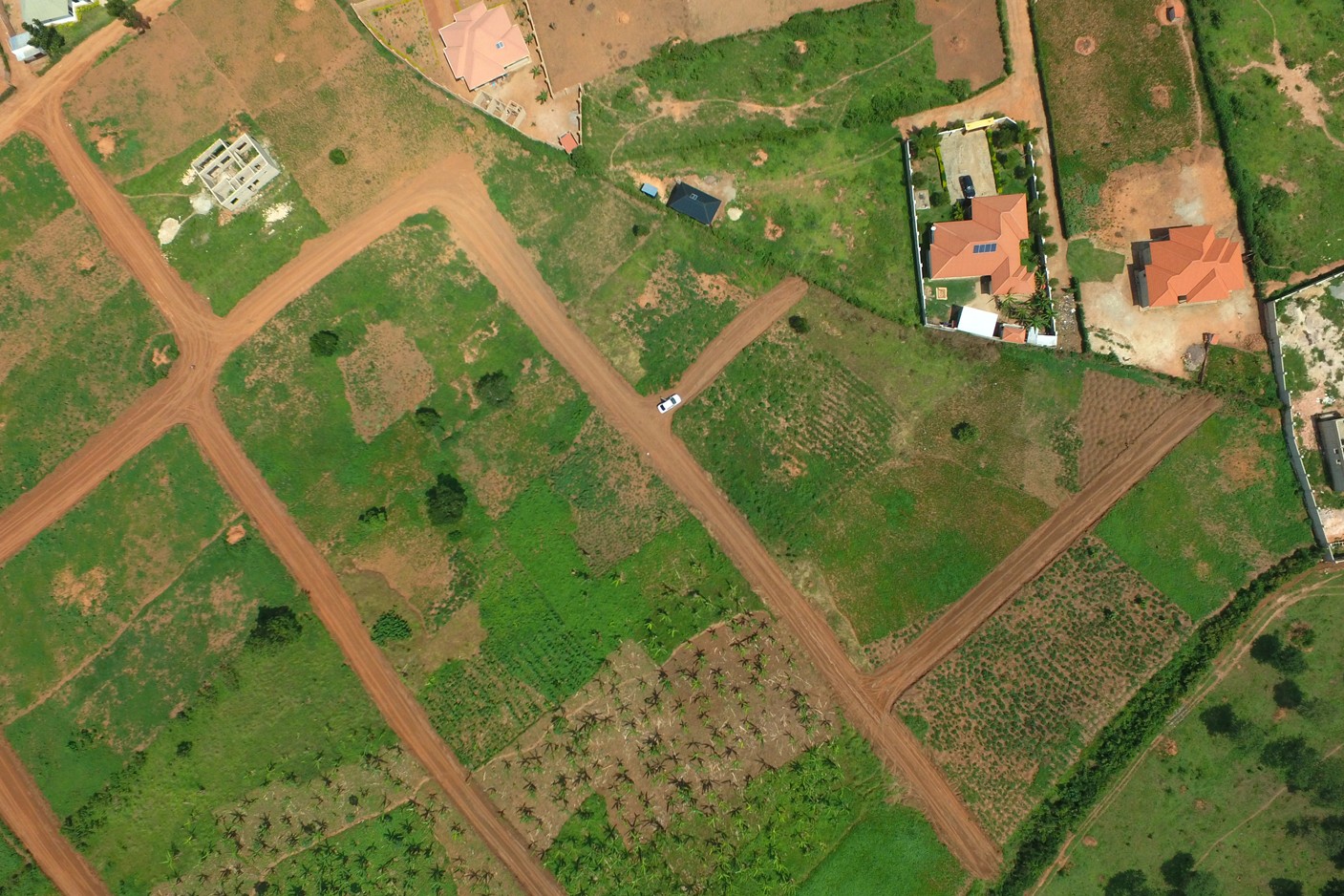
Buying land in Masaka, Uganda represents one of the most strategic investment choices for homeowners, farmers, commercial developers, and long‑term investors looking for property in Uganda’s Central Region. Masaka is a major commercial and transport hub, located southwest of Kampala, and serves as a gateway to the Western Region and much of southern Uganda. Its strong agricultural base, growing peri‑urban settlements, expanding infrastructure, and relatively affordable land prices have made the Masaka land market increasingly attractive.
This long‑form guide provides a comprehensive, practical, and authoritative overview of everything you need to know about land for sale in Masaka — including district context, sub‑location analysis, price trends, land types, investment use cases, legal considerations, due diligence steps, risks, and practical buying guidance.
Overview of Masaka District
Masaka District (often referenced together with Masaka City, Masaka Municipality, and surrounding administrative sub‑counties) sits along the Masaka–Mbarara Road and the Kampala–Masaka Road, positioning it as an important transit and economic centre. It serves as a commercial hub for agricultural trade, manufacturing, and retail, with Masaka City acting as a key service and employment centre for the region.
The district consists of fertile soils, mixed savannah plateaus, and gently rolling hills, supporting diverse crop cultivation, livestock farming, and agro‑industrial activities. The district’s economy has historical foundations in agriculture — including bananas, coffee, maize, beans, and horticultural crops — but is increasingly diversified into services, trade, and industry.
Why Buy Land in Masaka
Investors and buyers are drawn to masaka land for several compelling reasons:
- Strategic Transport Links: Masaka is connected by major tarmacked highways to Kampala, Mbarara, and other major towns, enhancing access for trade, commuting, and logistics.
- Proximity to Kampala: While land prices are lower than in the capital, Masaka’s relative proximity makes it a viable option for commuters and businesses.
- Growing Urbanisation: Masaka’s urban growth increases demand for residential land, rentals, and commercial space.
- Fertile Agricultural Potential: Rich soils support both subsistence and commercial farming.
- Commercial Growth: Retail, logistics, and service industries are expanding alongside population growth.
- Investment Appreciation: As infrastructure develops and population increases, land values continue to rise.
- Diverse Land Uses: Land in Masaka can be used for residential, agricultural, commercial, industrial, or speculative investment.
Position of Masaka in the Central Region Land Market
Masaka sits at the junction of several important regional land markets:
- North: Wakiso and Mpigi influence spillover urban demand.
- East: Kampala’s influence affects peri‑urban expansion.
- South‑West: Mbarara and greater Western Region trade routes pass through Masaka.
- West: Sembabule and parts of Hoima influence agricultural markets.
Because of this position, Masaka land reflects a blend of urban, peri‑urban, and rural dynamics, with diverse opportunities and buyer segments.
Types of Land Available in Masaka
Buyers in Masaka typically encounter several types of land, each suited to specific purposes:
1. Residential Land
Residential plots vary from small, town centre parcels to larger peri‑urban plots. Land in this category is ideal for:
- Family homes
- Rental properties
- Gated communities
- Mixed residential estates
Residential land within or near Masaka City commands higher prices due to demand for services, utilities, and access.
2. Agricultural and Farmland
Large acreage tracts suitable for commercial agriculture:
- Crop farming (coffee, banana, maize)
- Horticulture
- Livestock and poultry
- Agro‑processing
Agricultural land is often more affordable and can generate income through productive use.
3. Commercial Land
Commercial land is typically located along major roads or near trading centres, and is ideal for:
- Shops and retail outlets
- Warehouses and storage facilities
- Service stations
- Logistics and distribution hubs
Due to visibility and access, commercial land commands premium pricing compared with remote rural land.
4. Estate Development Land
Large tracts that can be subdivided for planned residential estates or mixed‑use communities.
- Medium to large parcels (≥5 acres)
- Estate planning and subdivision
- Strategic development for sale or rent
5. Investment Land (Land Banking)
Parcels purchased primarily for future appreciation. These lands may be undeveloped but are positioned near growth corridors or future infrastructure.
Key Localities for Land for Sale in Masaka
Understanding the major zones where land is actively bought and sold helps buyers pinpoint opportunities based on their objectives and budget.
Masaka City Centre and Urban Fringe
Masaka City is the most developed part of the district and attracts the highest demand for land due to access to utilities, services, and commercial activity.
Key Features:
- Close access to water, electricity, schools, hospitals
- Dense business environment
- High residual land value due to urban demand
Common Land Uses:
- Town housing (flats, homes)
- Shops and commercial buildings
- Mixed residential‑commercial units
Price Dynamics:
Land prices here are highest because of demand and infrastructure proximity. Plots close to major roads and services can command significant premiums.
Kizungu, Bukonko and Peri‑Urban Zones
Peri‑urban localities around Masaka (such as Kizungu and Bukonko) offer a mix of residential, medium‑density plots, and agricultural land with easier access to city services compared with deeper rural zones.
Key Features:
- Moderately lower land prices than city core
- Reasonable access to amenities
- Growing demand from residential builders
Common Land Uses:
- Residential plots
- Medium estates
- Mixed farming and home sites
Price Dynamics:
Moderate pricing reflects a balance between location and affordability.
Lake Victoria Coast Zones and Ssese Bay Area
Land near Lake Victoria coastal zones within Masaka District (where applicable) attracts buyers seeking:
- Waterfront property
- Resort development plots
- Eco‑tourism sites
- Recreational retreats
Key Features:
- Scenic water frontage
- Potential for tourism projects
- Higher values related to waterfront appeal
Common Land Uses:
- Resorts and hotels
- Vacation homes
- Ecological tourism projects
Price Dynamics:
Waterfront and scenic plots demand premium pricing relative to inland parcels.
Rural Hinterlands: Bukeeri, Buwunga and Outlying Areas
The rural hinterlands of Masaka are characterized by large tracts of agricultural land, low population density, and lower per‑acre pricing.
Key Features:
- Large contiguous parcels available
- Ideal for agriculture, farms, ranches
- Lower immediate cost
Common Land Uses:
- Commercial farming
- Large holdings for agribusiness
- Large‑scale estate development
Price Dynamics:
Lower per acre, with higher value when proximity to major roads exists.
Types of Land Tenure in Masaka
Understanding land tenure is essential before purchase:
- Freehold: Permanent ownership with full rights to deal with the land.
- Mailo: Perpetual ownership often with customary occupants; requires careful due diligence.
- Leasehold: Land leased for a defined period and then reverts.
- Customary: Usually in rural areas, can be converted to formal title under legal frameworks.
Different tenure types affect transferability, dispute risk, and development potential.
Land Price Trends in Masaka
Prices for land in Masaka are influenced by:
- Proximity to Masaka City and urban infrastructure
- Access to roads and utilities
- Land use (residential, agricultural, commercial)
- Soil productivity and natural endowments
- Local economic activity and population shifts
While exact figures vary based on locality and negotiation, broad price insights include:
Residential Plots:
- Higher near city and peri‑urban zones
- Moderate in growing settlements
- Rising demand due to urban expansion
Farmland:
- Lower per acre relative to residential land
- Productivity and access influence price
Commercial Parcels:
- Highest rates along major transport routes
- Influenced by traffic and business density
Investment Land:
- Value reflects future growth expectations
- Higher near projected infrastructure upgrades
Major Demand Drivers for Masaka Land
Demand for land in Masaka is shaped by:
- Urban Expansion: Population growth and housing demand near the city centre.
- Agriculture: Commercial farming demand drives interest in large rural parcels.
- Commercial Activity: Businesses seek land with visibility and access.
- Infrastructure Investment: Road upgrades and utilities increase land value.
- Speculative Investment: Investors acquire land anticipating future appreciation.
- Tourism: Land near scenic zones and waterbodies attracts tourism investment.
How to Buy Land in Masaka Safely
Purchasing land in Uganda, including Masaka, requires structured due diligence to avoid disputes and ensure a secure transaction.
Step 1: Clarify Your Purpose
Determine whether you are buying for:
- Residential use
- Agricultural production
- Commercial development
- Estate subdivision
- Investment land banking
Your purpose informs where and how to search.
Step 2: Verify Ownership and Title
Conduct a title search at the Land Registry to confirm:
- Seller’s legal ownership
- Title authenticity
- Absence of disputes, caveats, or encumbrances
A licensed advocate can assist with this process.
Step 3: Engage Local Authority Verification
Consult Local Council leaders (LC Chairperson, neighbours) to:
- Confirm land occupancy history
- Verify boundary consensus
- Check for disputes or competing claims
This ground‑level insight often reveals issues not apparent in documentation.
Step 4: Professional Land Survey
Hire a licensed land surveyor to:
- Determine exact boundaries
- Confirm coordinates match title documents
- Place permanent boundary markers
This prevents future boundary disputes and provides a surveyed plan for registration.
Step 5: Legal Review and Sale Agreement
An advocate should:
- Review all documents
- Draft or review the sale agreement
- Ensure compliance with Ugandan land laws
- Clarify payment conditions and transfer procedures
Proper legal oversight protects your rights.
Step 6: Secure Payment Through Official Channels
Pay through:
- Bank transfer
- Documented financial instrument
- Receipted and witnessed transactions
Avoid cash payments; always obtain official receipts.
Step 7: Register the Land Transfer
After payment and agreement:
- File transfer documents with the Land Registry
- Pay stamp duty and registration fees
- Ensure the new title is issued in your name
Registration validates legal ownership.
Legal Considerations When Buying Land
Understanding land law ensures compliance:
Types of Tenure:
- Freehold
- Leasehold
- Mailo
- Customary
Taxes and Fees:
- Stamp duty
- Registration fees
- Legal fees
Encumbrances:
Ensure no mortgages, caveats, or unresolved disputes exist.
Planning and Zoning:
Confirm permitted land uses and development restrictions.
Use Cases for Land in Masaka
Different buyers pursue land in Masaka for varied objectives.
Residential Development
Buyers acquire plots to build:
- Family homes
- Rental units
- Townhouses or gated estates
Residential land near city services often appreciates fastest.
Agricultural Enterprises
Farmers and investors buy land for:
- Crop production (coffee, bananas, maize)
- Horticulture
- Livestock, poultry and dairy
Masaka’s soils and climate support diverse agriculture.
Commercial Ventures
Entrepreneurs buy land for:
- Shops and retail outlets
- Warehouses
- Service stations
- Logistics hubs
Commercial land near major roads yields regular business returns.
Estate Development
Developers acquire large parcels to:
- Subdivide into residential plots
- Build planned communities
- Sell or rent developed units
Estate development requires planning and marketing.
Investment and Land Banking
Investors purchase land for:
- Long‑term appreciation
- Strategic holding near projected growth
- Sale or development at a later stage
Land banking is a classic long‑term wealth strategy.
Practical Tips for Buyers
- Visit the land site in person
- Confirm utility accessibility
- Compare multiple listings
- Review local development plans
- Document all agreements in writing
- Work with licensed professionals
Risks and Mitigation Strategies
Boundary disputes
Mitigation: Survey and local verification
Fake or forged titles
Mitigation: Title search and lawyer review
Undisclosed encumbrances
Mitigation: Legal and registry checks
Access issues
Mitigation: Confirm road access
Long‑Term Outlook for Masaka Land
Masaka’s land market is positioned for future growth due to:
- Continued infrastructure upgrades
- Population influx and urban expansion
- Commercial and agricultural activity
- Rising demand for housing and services
Land purchased today — especially near growth corridors and infrastructure — is likely to appreciate in value over the medium and long term.
Conclusion
Land for sale in Masaka, Uganda offers diverse opportunities for residential buyers, agricultural investors, commercial developers, and long‑term asset holders. With strategic location, fertile land, expanding infrastructure, and rising demand, Masaka’s land market continues to attract attention from local and international buyers. By applying thorough due diligence, engaging legal counsel, and aligning purchase decisions with clear investment goals, buyers can secure land that meets their needs and delivers sustainable value.