
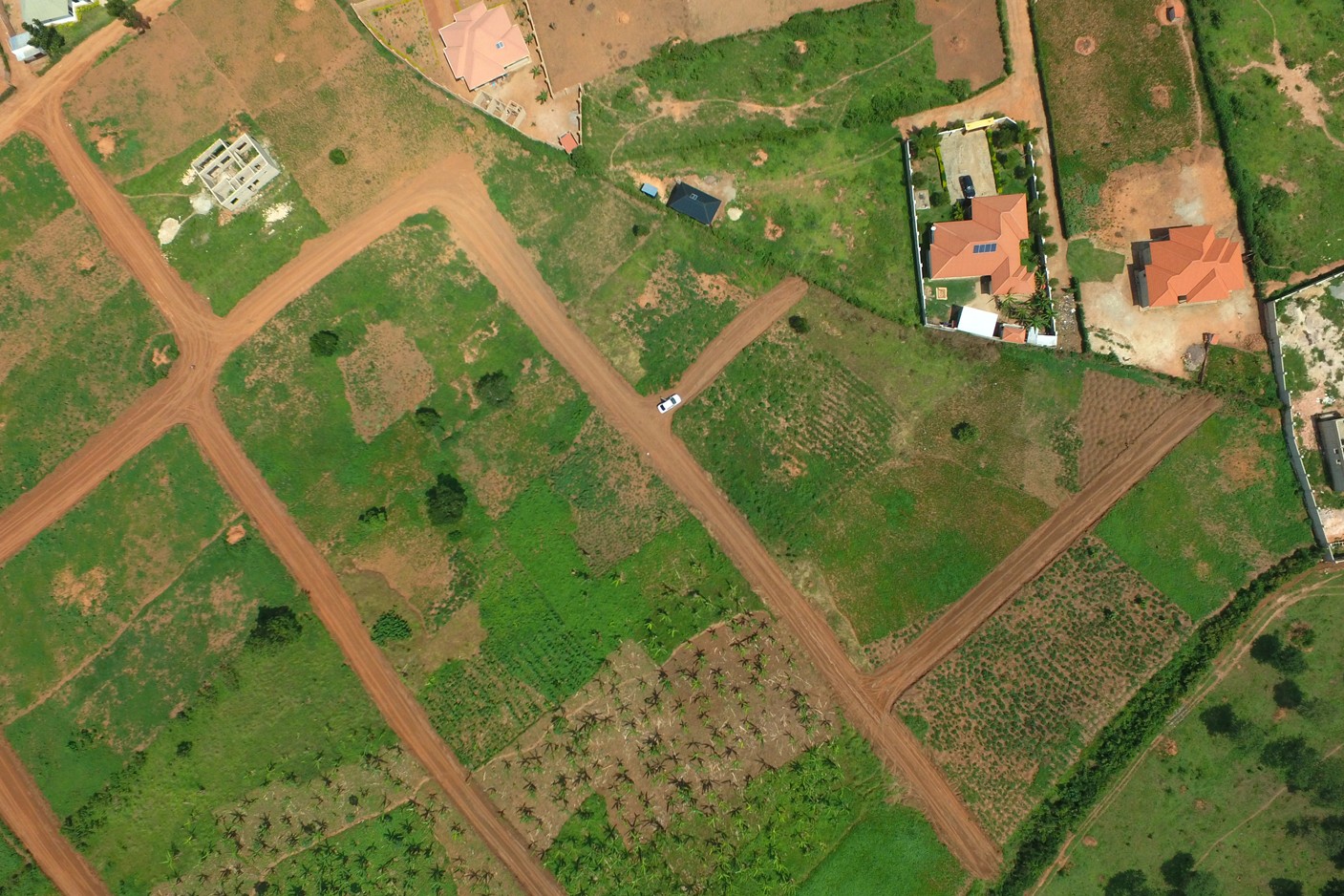
Buying land in Kiboga, Uganda offers a powerful investment opportunity for residential homeowners, farmers, commercial developers, and long‑term investors seeking property in a strategic location within Uganda’s Central Region. Kiboga’s connectivity to major transport corridors, fertile soils, expanding infrastructure, and relatively affordable land prices make it an important emerging land market. Whether your goal is to build a home, start an agricultural enterprise, develop commercial property, or acquire land for investment, Kiboga has diverse options to meet different needs.
This comprehensive guide provides a detailed, actionable overview of how to buy land in Kiboga, Uganda — including district profile, price trends, land types, key localities, legal and due‑diligence requirements, investment use cases, risk mitigation, and step‑by‑step purchase guidance.
Kiboga District Overview
Kiboga District lies in Central Uganda, positioned at the crossroads between Kampala, Hoima, and the northern and western parts of the country. It is connected by major transport routes including the Kampala–Hoima Road and feeder routes that support trade and travel. Kiboga Town serves as the administrative and economic centre, while several sub‑locations provide diverse landscapes ranging from peri‑urban zones to more remote rural areas.
The district’s landscape includes flat plains, gently rolling hills, fertile valleys, and pockets of woodland — ideal for agricultural use, residential development, and commercial activity. Historically grounded in farming, Kiboga is increasingly attracting investors and residents seeking affordable land with future growth potential.
Why Buy Land in Kiboga
Investing in land in Kiboga has several strategic advantages:
- Excellent Connectivity: Kiboga is located on major road corridors linking Kampala, Hoima, Bunyoro, and the north, improving accessibility for commerce and commuting.
- Affordable Land Prices: Land in Kiboga is often more affordable than in peri‑urban districts closer to Kampala.
- Agricultural Potential: Fertile soils and reliable rainfall support a variety of farming enterprises.
- Residential Growth: As urban expansion intensifies, demand for housing land increases in peri‑urban areas.
- Commercial Opportunity: Location along transport routes attracts business and commercial land demand.
- Investment Valuation: With infrastructure growth and population movement, land values in Kiboga show strong potential for appreciation.
These demand drivers make Kiboga a multi‑use, value‑oriented land market with diverse buyer appeal.
Understanding the Kiboga Land Market
The Kiboga land market is shaped by changing demographic patterns, expanding commercial activity, and gradual peri‑urban growth. Land is available in a range of sizes, tenures, and locations — from small residential plots in town to larger agricultural or investment parcels farther out.
Key categories of buyers include:
- Local homeowners seeking land to build family homes
- Agricultural investors looking for productive farmland
- Commercial developers investing in business properties
- Estate developers planning subdivisions
- Land bankers and long‑term investors
Each segment has distinct needs and pricing expectations.
Major Localities to Buy Land in Kiboga
Understanding where land is available helps buyers align choices with their objectives and budgets. Below are the main sub‑locations where land for sale is active in Kiboga:
Kiboga Town Centre and Immediate Periphery
Kiboga Town is the focal point of economic and social activity in the district. Land here is in highest demand due to proximity to services, utilities, schools, hospitals, and commercial activities.
Key Features:
- Access to piped water and electricity
- Proximity to banks, markets, and retail services
- Strong demand for residential plots
Common Land Uses:
- Town homes
- Rental properties
- Shops and small commercial units
Price Dynamics:
Land prices in and near the town centre are the highest in the district due to convenience and service access.
Kyankwanzi Road Corridor
The area along the Kyankwanzi Road, which branches from the main highway, is a growing peri‑urban market. It offers land that is more affordable than town plots but still relatively close to services and transport routes.
Key Features:
- Peri‑urban lifestyle and land
- Accessibility to main transport routes
- Mixed residential and farming land
Common Land Uses:
- Residential plots
- Small estates
- Mixed agriculture
Price Dynamics:
Values here are moderate, reflecting balanced demand and proximity.
Kagadi Road and Rural Hinterlands
Areas farther from the town centre, including parts of the Kagadi Road and rural hinterlands, provide opportunities for larger acreage purchases at lower cost per acre.
Key Features:
- Large contiguous land blocks
- Affordable per‑acre pricing
- Rural lifestyle
Common Land Uses:
- Commercial farming
- Ranches
- Large estates
Price Dynamics:
Land prices are lower on a per‑acre basis but may require investment in access and utilities.
Kyabugimbi and Northern Sub‑Locations
Northern parts of Kiboga, such as Kyabugimbi, are more rural and offer deep value for buyers seeking large parcels for agricultural or land banking purposes.
Key Features:
- Significant land parcels available
- Quiet rural environment
- Potential for long‑term value growth
Common Land Uses:
- Large farms
- Land banking and future development
Price Dynamics:
Lower pricing reflects rural access, but parcels here may yield higher future appreciation.
Other Emerging Growth Zones
Various trading centres, feeder road intersections, and clusters around schools and clinics offer land that appeals to buyers seeking a mix of residential and commercial attributes. These zones are often overlooked in early searches but provide strong value for those seeking growth prospects.
Types of Land Available for Sale in Kiboga
Different types of land serve different buyer intents. Understanding these helps match land parcels to investor goals.
Residential Land
Residential plots typically range from:
- 50×100 ft
- 100×100 ft
- ¼ acre
- ½ acre
- 1 acre
Residential land is ideal for building homes, rental units, or small estates.
Best For:
- First‑time homeowners
- Rental property investors
- Small developers
Demand Trends:
Demand typically rises near utilities, schools, clinics, and transport access.
Agricultural and Farmland
Larger acreage parcels are common in rural Kiboga and are ideal for commercial farming, livestock, and agriculturally oriented ventures.
Best For:
- Crop cultivation (coffee, maize, beans)
- Horticulture
- Livestock ranching
Demand Trends:
Agricultural land appeals to farmers and agribusinesses seeking productive soils and market access.
Commercial Land
Land located along major transport routes or near trading hubs is classified as commercial land. These plots attract business developers and investors.
Best For:
- Shops and retail enterprises
- Warehouses
- Logistics facilities
- Service stations
Demand Trends:
Commercial land values rise with traffic volume and trading activity.
Estate Development Land
Larger tracts, often 5+ acres, can be subdivided into planned estate plots for residential or mixed‑use development.
Best For:
- Estate developers
- Plot subdividers
- Community projects
Demand Trends:
Developers target large parcels with accessibility and moderate proximity to services.
Investment Land (Land Banking)
Investment land is acquired for long‑term capital appreciation rather than immediate development.
Best For:
- Strategic land banking
- Future subdivision
- Value holding near growth corridors
Demand Trends:
Investors often buy near projected infrastructure developments.
Price Trends in Kiboga
Land prices in Kiboga vary based on location, land type, access to infrastructure, and local demand. While exact prices change over time, general trends include:
Residential Plot Prices
- Town Centre Plots: Higher due to services and utilities
- Peri‑Urban Plots: Moderate reflecting access and growth potential
- Interior Rural Residential Parcels: Lower per acre with larger sizes
Residential land closer to clinics, schools, and town services often appreciates fastest.
Agricultural Land Prices
- Accessible Farmland: Higher per acre based on productivity potential
- Remote Farmland: Lower pricing reflecting distance from markets
Agricultural land pricing correlates with crop productivity and transport access.
Commercial Parcel Prices
- Roadway Parcels: Premium pricing due to visibility and traffic flow
- Trading Hub Parcels: Mid‑range pricing influenced by local commerce
Commercial land near major roads typically commands higher values.
Investment Land Prices
- Growth Corridor Land: Higher based on future expectations
- Deep Rural Bankable Land: Lower per acre with long‑term upside
Investment land pricing is driven by long‑term growth prospects.
Demand Drivers in Kiboga’s Land Market
Key forces shaping the land market include:
- Residential Migration: People seeking affordable homes outside major cities
- Agricultural Expansion: Farmers seeking productive land parcels
- Commercial Development: Businesses targeting roadside markets
- Peri‑Urban Expansion: Outward growth from urban centres
- Speculative Investment: Investors anticipating infrastructure improvements
These drivers create a diversified market with multiple entry points.
How to Buy Land in Kiboga Safely
Buying land in Uganda — including Kiboga — requires thorough due diligence to prevent disputes and ensure clear title transfer. Use the following structured process:
Step 1: Define Your Purpose
Clarify whether you are buying land for:
- Residential use
- Agricultural production
- Commercial activity
- Estate development
- Investment or land banking
Purpose influences location, parcel size, and price tolerance.
Step 2: Verify Ownership and Title
Conduct a title search with the Land Registry to confirm:
- The seller is the registered owner
- The title is authentic
- There are no caveats, disputes, or encumbrances
Licensed advocates can assist with verification.
Step 3: Local Authority Verification
Engage local leaders (LC Chairperson and neighbours) to:
- Confirm long‑term occupation
- Validate boundary consensus
- Check for competing claims
Local verification often reveals information not visible on documents.
Step 4: Conduct a Professional Survey
Hire a licensed surveyor to:
- Confirm boundary markers
- Verify parcel dimensions
- Produce a survey plan for registry filing
Accurate surveying prevents boundary disputes.
Step 5: Legal Review and Sale Agreement
A qualified advocate should:
- Review title documents
- Draft or review the sale agreement
- Ensure compliance with land laws
- Clarify payment and transfer terms
Legal counsel protects against future disputes.
Step 6: Secure Payments Through Official Channels
Pay using:
- Bank transfers
- Documented financial instruments
- Receipted, witnessed transactions
Avoid cash payments without documentation.
Step 7: Register the Land Transfer
After payment:
- Submit required documents to the Land Registry
- Pay stamp duty and registration fees
- Ensure the title is updated in your name
Registration makes ownership legally binding.
Legal Considerations in Kiboga Land Transactions
Understanding the legal framework safeguards your investment:
Land Tenure Types
Uganda recognizes several land tenure systems:
- Freehold: Full ownership rights
- Leasehold: Fixed‑term rights
- Mailo: Perpetual, may involve occupants
- Customary: Traditional rights, often convertible to formal title
Confirm the tenure before purchase.
Taxes and Fees
Be prepared for:
- Stamp duty
- Registration fees
- Legal fees
Budget these costs in addition to the purchase price.
Encumbrances and Caveats
Confirm land is free from:
- Mortgages
- Court attachments
- Restrictive covenants
- Undisclosed claims
Clean titles are crucial.
Zoning and Planning Compliance
Check with local authorities for:
- Permitted land uses
- Environmental protection zones
- Development restrictions
Compliance avoids future obstacles.
Use Cases for Land in Kiboga
Different buyers acquire land for varied objectives:
Residential Development
Buyers seeking land for:
- Family homes
- Rental units
- Medium‑density housing estates
Residential land near services tends to appreciate faster.
Agricultural Enterprises
Farmers acquire land for:
- Crop cultivation
- Plantation or horticulture
- Livestock operations
Kiboga’s soils support diversified agriculture.
Commercial Ventures
Entrepreneurs acquire land for:
- Shops and retail units
- Warehouses and storage
- Service stations
- Offices
Commercial land near main roads enhances visibility and customer access.
Estate Development
Developers secure parcels to:
- Subdivide for residential plots
- Build planned communities
- Sell or rent developed properties
Estate development requires planning and marketing.
Land Banking
Investors purchase land to:
- Hold for appreciation
- Sell when infrastructure improves
- Subdivide and develop later
Land banking is a long‑term investment strategy.
Practical Tips for Land Buyers
- Visit the land site physically at different times of day.
- Confirm utility access — water, electricity, internet.
- Compare multiple listings to gauge fair market prices.
- Document all agreements in writing.
- Work with licensed professionals — surveyors, advocates, and reputable agents.
Risks and How to Mitigate Them
Boundary disputes
Mitigation: Professional survey and local reconciliation
Fake titles
Mitigation: Title search and legal verification
Undisclosed encumbrances
Mitigation: Registry checks with legal counsel
Access restrictions
Mitigation: Confirm road access and easements
Long‑Term Outlook for Kiboga Land
Kiboga’s long‑term land prospects are supported by:
- Continued infrastructure development
- Growth of peri‑urban settlement
- Expansion of commercial activity
- Increased demand from both local and diaspora investors
Land purchased today, especially near growth corridors and future infrastructure plans, is likely to appreciate substantially over time.
Conclusion
Buying land in Kiboga, Uganda offers diverse opportunities for residential buyers, agricultural investors, commercial developers, estate planners, and long‑term land bankers. With strategic location, fertile soils, expanding infrastructure, and rising demand, Kiboga’s land market continues to attract interest from both local and international buyers. By conducting proper due diligence, engaging legal counsel, and aligning acquisition with clear objectives, buyers can secure land that meets their needs and delivers sustainable, long‑term value.