
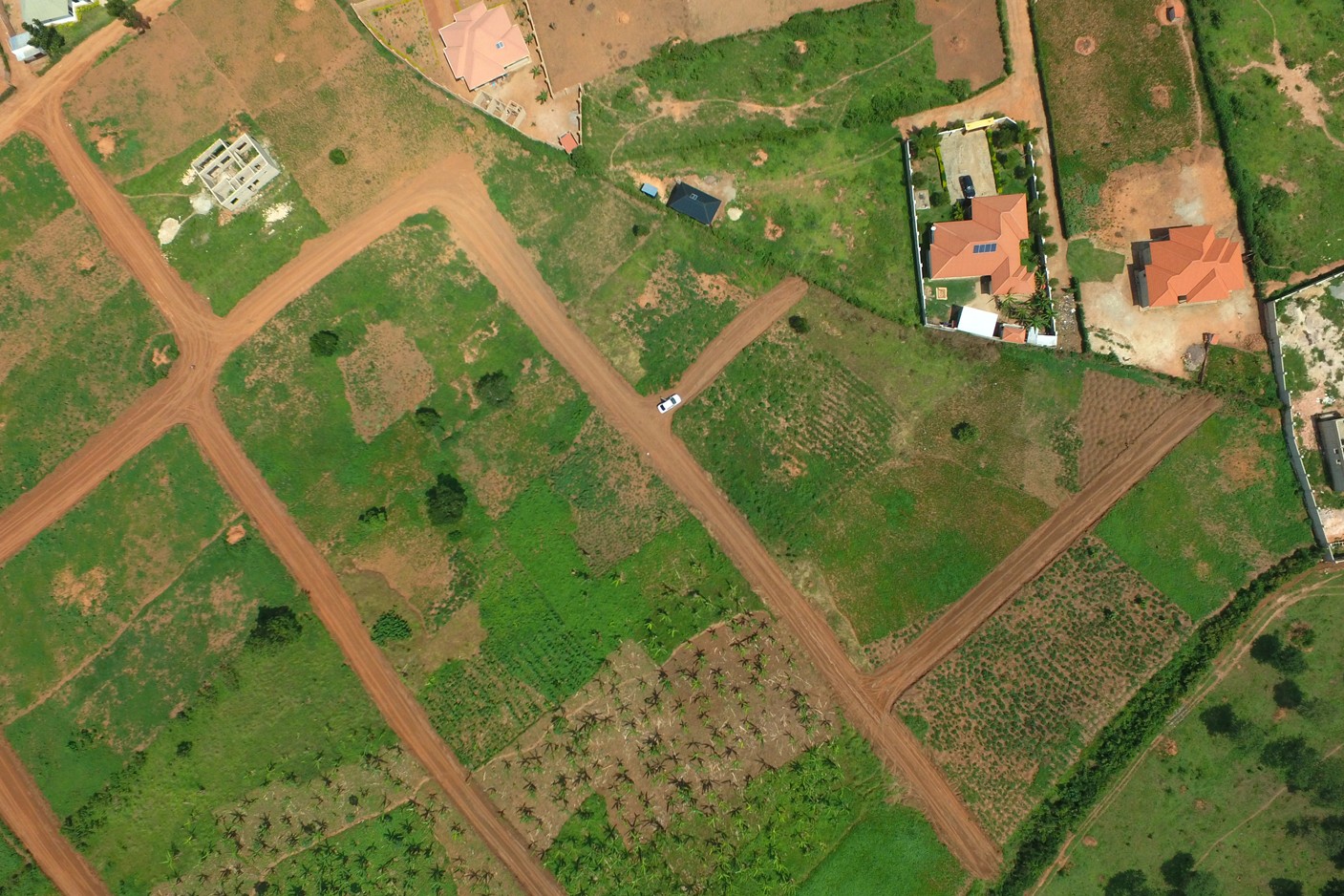
Buying land in Kasanda District, Uganda presents an opportunity for local buyers, investors, developers, and farmers to secure property in one of the Central Region’s fastest‑growing peri‑urban and rural markets. Situated between Mityana and Mubende and strategically placed along major transport corridors, Kasanda enjoys expanding infrastructure, fertile soils, and rising demand for land for residential, commercial, agricultural, and investment uses.
This authoritative guide covers everything you need to know about purchasing land in Kasanda — district overview, key localities, price trends, land types, investment analysis, legal considerations, step‑by‑step guidance to buying safely, risk mitigation, practical tips, common use cases, and long‑term outlook.
Overview of Kasanda District
Kasanda District is part of Uganda’s Central Region and was created to bring government services closer to people once under the administration of Mityana District. Geographically, Kasanda lies along the Kampala–Mityana–Mubende Road, a major economic artery connecting Kampala to western Uganda and promoting accessibility, trade, and travel.
The district’s landscape is characterized by rolling hills, flat plains, fertile valleys, and agricultural land ideal for diverse crop cultivation and livestock farming. With a combination of rural expanses and emerging townships, Kasanda presents land buyers with a unique mix of investment potential and lifestyle opportunity.
Why Buy Land in Kasanda
Kasanda has grown in prominence among land buyers for several core reasons:
- Strategic Location: Positioned along the main road from Kampala to western Uganda, providing excellent access to markets, services, and infrastructure.
- Fertile Agricultural Land: Rich clay loam soils suitable for coffee, horticulture, cereals, and mixed farming.
- Emerging Residential Demand: Increasing migration of people seeking affordable peri‑urban living near Masaka, Mityana, and Mubende.
- Commercial Growth Potential: Opportunity to develop businesses serving travelers and local populations.
- Affordable Land Prices: Lower entry costs compared with districts closer to Kampala.
- Value Appreciation: Growing demand from investors and homeowners is gradually pushing land values upward.
Market Dynamics and Growth Drivers
The real‑estate environment in Kasanda is shaped by demographic, economic, and infrastructural trends:
- Population growth with expanding peri‑urban settlements.
- Road improvements connecting Kasanda to major towns.
- Agricultural productivity driving land demand for farming activities.
- Commercial services expansion supporting trading centers.
- Residential migration for affordable housing options close to employment corridors.
These drivers contribute to a multi‑layered land market that supports diverse use cases — from farming to urban development.
Key Localities for Land in Kasanda
Different sub‑locations within Kasanda District each have unique characteristics and price dynamics. Understanding these helps buyers identify land that aligns with their goals and budgets.
Kasanda Town and Urban Periphery
Kasanda Town serves as the district’s administrative centre and commercial hub. Land here is increasingly in demand for residential and commercial development due to its proximity to markets, schools, banks, health facilities, and transport services.
Investment Focus:
- Residential housing estates
- Rental properties
- Shops and business centres
- Mixed‑use developments
Price Trends:
Residential plot prices tend to be moderate — higher than deep rural areas but affordable compared with major urban centres.
Nkozi and Southern Kasanda
The Nkozi area is located toward the southern portion of the district and benefits from accessible transport routes and fertile land.
Investment Focus:
- Agricultural land
- Residential farms
- Small estates
- Agro‑processing ventures
Price Trends:
Land here is slightly cheaper than in the immediate Kasanda Town environs, making it attractive to agricultural and peri‑urban residential buyers.
Kanyogoga and Northern Sub‑locations
The northern sub‑locations like Kanyogoga and neighouring areas are farther from the main highway but offer significantly lower land prices and larger parcels suitable for farming, ranching, or long‑term investment.
Investment Focus:
- Large acreage farmland
- Plantation crops
- Cattle ranches
- Strategic land banking
Price Trends:
Prices per acre here are among the most affordable in the district, reflecting rural terrain and lower immediate demand compared with peri‑urban zones.
Nakifuma Road and Road Corridor Zones
The Kasanda–Nakifuma Road corridor and other feeder routes serve as emerging land markets because of improving access, utility expansion, and visibility to prospective buyers.
Investment Focus:
- Roadside commercial plots
- Residential land with easy access
- Logistics and service station sites
Price Trends:
Land values along major corridors tend to be higher due to accessibility and future development expectations.
Types of Land Available in Kasanda
Land in Kasanda can be classified according to use type and buyer objectives:
Residential Land
Residential land parcels range from urban plots (e.g., 50×100 ft) to larger sites that can host multiple homes or small estates. These are typically located near trading centres, schools, and transport nodes.
Best For:
- First‑time homeowners
- Rental housing projects
- Estate developments
Agricultural and Farmland
Kasanda’s agricultural land is widely available in large acreage parcels. The fertile soils here support commercial farming, horticulture, and livestock operations.
Best For:
- Crop production (coffee, bananas, beans, maize)
- Livestock and poultry
- Agro‑processing facilities
Commercial and Roadside Land
Plots along major roads and trading hubs offer opportunities for businesses that benefit from high visibility and traffic.
Best For:
- Shops and retail
- Warehouses
- Service stations and logistics
- Small manufacturing units
Investment and Land Banking Parcels
These are larger tracts that investors may acquire for long‑term appreciation or future diversification into agricultural estates, residential communities, or commercial developments.
Best For:
- Future subdivision
- Long‑term value growth
- Strategic holding near growth corridors
Price Trends in Kasanda
Land prices in Kasanda vary significantly based on location, land type, proximity to major roads, services, and potential for development. While current market data may vary across sub‑locations and evolve over time, typical price ranges observed include:
- Residential Plots (e.g., 50×100 ft): From moderate entry pricing relative to urban centres, increasing with proximity to Kasanda Town and major roads.
- Farmland Per Acre: Often competitively priced compared with districts closer to Kampala, with variations based on soil fertility and access.
- Commercial Parcels: Roadside and trading centre land tends to command higher values due to visibility and development potential.
- Large Acreage Investment Land: Lower per‑acre pricing, with higher value realized through long‑term appreciation or subdivision.
These price trends reflect the growth stage of Kasanda’s real‑estate market — mature enough to attract developers and investors yet still affordable compared with more established zones.
Demand Drivers for Land in Kasanda
Land demand in Kasanda is shaped by both local needs and external interest:
- Residential demand from families seeking affordable land with reasonable access to services
- Agricultural demand from farmers purchasing land for commercial crop cultivation
- Commercial demand from entrepreneurs establishing retail, warehousing, or service enterprises
- Investment demand from land bankers and long‑term value seekers
These drivers reinforce Kasanda’s appeal to a broad buyer base.
How to Buy Land in Kasanda Safely
Purchasing land in Uganda, including Kasanda, requires structured due diligence to protect buyers from fraud and disputes. Follow these best‑practice steps:
Verify Land Ownership
Start with a land title search at the appropriate Land Registry to confirm the seller’s legal ownership and ensure the title is authentic and free of disputes.
Engage Local Authority Verification
Consult village and sub‑county leadership, neighbors, and local administrators to verify the history of the land, confirm there are no competing claims, and validate customary occupancy.
Conduct a Physical Survey
Hire a licensed land surveyor to confirm that the boundary markers and physical dimensions match the title document and that there are no encroachments.
Review Documents With an Advocate
A qualified legal professional should review the title, survey report, encumbrance checks, and sale agreement to ensure compliance with Ugandan land laws and clarity on transfer conditions.
Secure Payment Through Accredited Channels
Make payments via bank transfers or documented financial instruments rather than cash, and obtain official receipts and signed acknowledgement of payment.
Register the Land Transfer
Once the sale agreement is executed, ensure the transfer is formally registered with the Land Registry, making you the legal owner.
Legal Considerations
Uganda’s land laws require buyers to understand several legal facets:
- Title Types: Land may be held as Freehold, Leasehold, Mailo, or Customary, each with distinct legal implications.
- Stamp Duty and Transfer Fees: Buyers typically pay stamp duty and registration fees as part of the transfer process.
- Land Use Planning Laws: Certain parcels may be subject to zoning or planning regulations.
- Encumbrances and Caveats: Ensure the land is free from legal encumbrances or caveats that could constrain development.
Developing a clear understanding of these factors helps prevent legal issues after purchase.
Use Cases for Land in Kasanda
Different buyers have different purposes for acquiring land. Here are common use cases and how land in Kasanda meets each:
Residential Development
Families and investors buy land to build homes, rental units, and estate communities. Because Kasanda is growing as a peri‑urban district, demand for housing land is steadily increasing.
Agricultural Projects
Large acreage farmland supports commercial crop production, livestock operations, and agro‑industry projects. Kasanda’s soils are conducive to a wide variety of crops and mixed farming.
Commercial Ventures
Entrepreneurs acquire roadside parcels and plots in trading centres to establish retail outlets, warehouses, service stations, and small industrial operations.
Estate Development and Subdivision
Developers often purchase large parcels intending to subdivide them into residential plots or community estates for sale or rent.
Investment and Land Banking
Buyers with a long‑term focus acquire land to benefit from future appreciation as infrastructure and population growth expand into new zones within the district.
Practical Tips for Buyers
- Visit the Land Site in Person: Do not rely solely on descriptions; inspect the property firsthand.
- Check Infrastructure Plans: Municipal and district plans for roads, utilities, and services can influence future land value.
- Compare Multiple Listings: Understand market pricing by reviewing several parcels before deciding.
- Confirm Utility Access: Water availability, electricity proximity, and communications services improve usability.
Risks and Mitigation
Risk: Boundary disputes
Mitigation: Confirm boundaries through survey reports and local verification.
Risk: Fake titles or fraud
Mitigation: Conduct thorough title searches and legal reviews.
Risk: Land use restrictions
Mitigation: Check zoning and planning regulations before purchase.
Risk: Accessibility issues
Mitigation: Confirm road access and entrances before buying.
Long‑Term Outlook for Kasanda Land
Kasanda’s strategic location, fertile soils, expanding infrastructure, and growing demand from residential, agricultural, and commercial buyers create a positive long‑term outlook for land value appreciation. As transport corridors improve and nearby urban centres — including Mityana and Mubende — expand outward, Kasanda is well‑poised to capture spillover demand.
Conclusion
Buying land in Kasanda, Uganda offers a broad range of opportunities for diverse buyer objectives. Whether seeking residential land, agricultural holdings, commercial parcels, or long‑term investment, Kasanda’s strategic location, fertile land, and market growth fundamentals make it a strong choice in the Central Region. Through disciplined due diligence, legal compliance, and clear understanding of market dynamics, buyers can secure land that meets their goals while benefiting from upward value trends.