
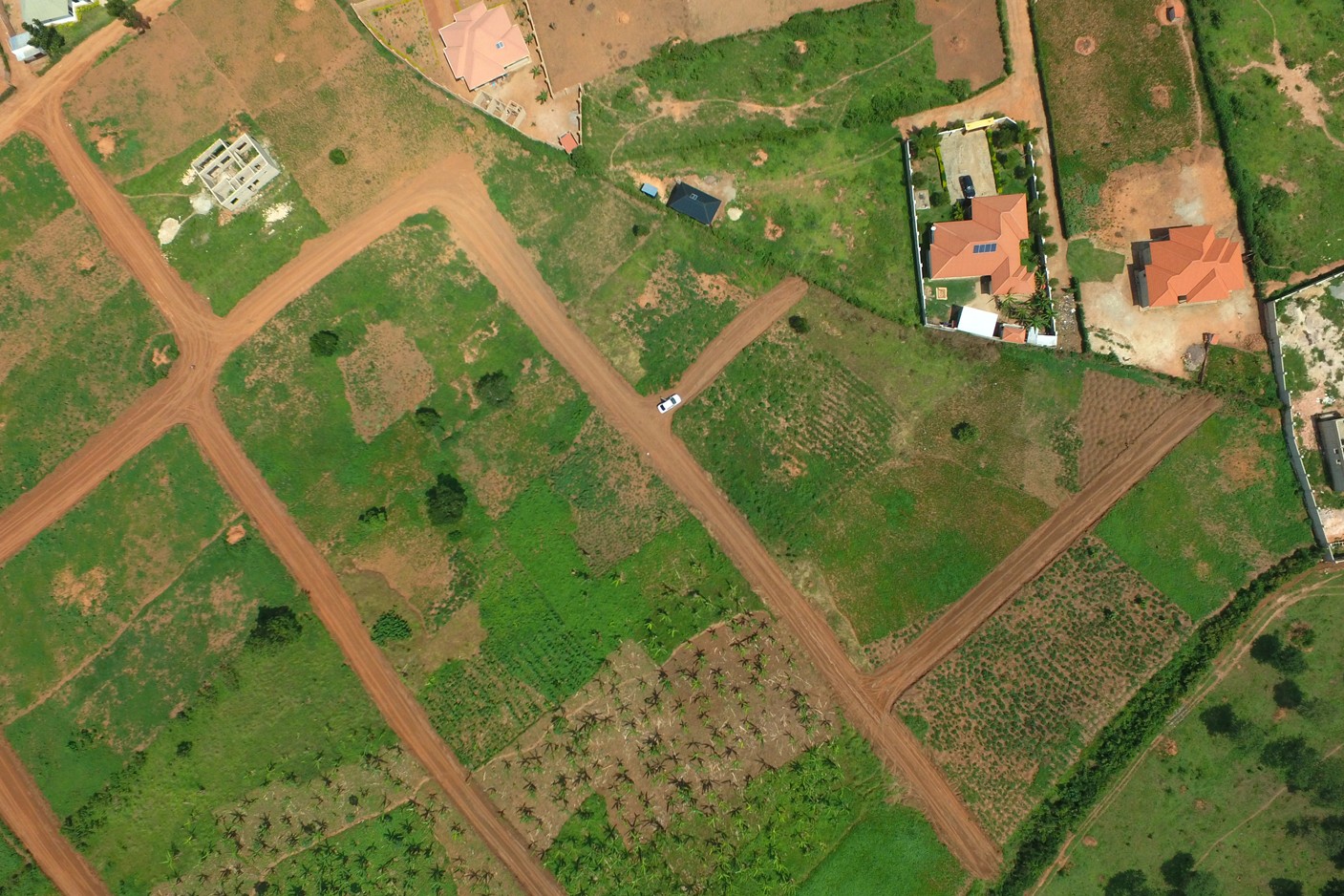
Purchasing land in Kampala, Uganda represents one of the most strategic real estate investments in the country. As the capital city, political and economic hub, and a major East African commercial centre, Kampala’s land market is characterized by high demand, limited supply, and strong potential for capital appreciation. Whether your objective is to build a residential home, commercial enterprise, mixed‑use development, logistics facility, corporate office, hospitality project, or long‑term land banking investment, understanding how to successfully acquire land in Kampala is essential for mitigating risk and maximizing value.
This comprehensive guide provides a detailed overview of buying land in Kampala — including city profile, geography and climate, key districts and localities, land types, pricing dynamics, legal and due‑diligence processes, practical steps for purchase, investment use cases, risk management, and long‑term outlook.
Overview of Kampala City
Kampala, Uganda’s largest city, serves as the central nexus for government functions, finance, commerce, education, healthcare, and culture. The city consists of multiple administrative divisions (e.g., Central, Nakawa, Makindye, Kawempe, Lubaga) and encompasses established commercial hubs, residential suburbs, and emerging mixed‑use zones. Kampala’s rapid population growth, urbanisation rate, and economic expansion have propelled land demand across all sectors.
Due to its limited geographical footprint and escalating demand, land in Kampala is a scarce and valuable resource — making it among the most sought‑after assets in the Ugandan real estate market.
Why Buy Land in Kampala
Prime Location and Connectivity
- Kampala is centrally positioned with transport access via major roads (e.g., Kampala–Jinja Road, Entebbe Road, Northern Bypass, and other key arterials).
- Proximity to critical infrastructure such as Entebbe International Airport and industrial corridors enhances land demand.
Strong Economic Activity and Employment Hubs
- Kampala hosts major government offices, international organisations, banks, corporate headquarters, educational institutions, and healthcare facilities — driving consistent demand for residential and commercial space.
High Demand for Residential and Commercial Property
- Urbanisation fuels demand for housing (apartments, gated communities) and commercial property (retail, offices, logistics).
Infrastructure Expansion
- Ongoing development of roads, utilities, water systems, and communication networks strengthens the land value proposition.
Capital Appreciation Potential
- Land values in Kampala historically appreciate faster than most other districts — particularly in areas near infrastructure, major roads, and economic nodes.
Diverse Use‑Case Opportunities
- Land in Kampala supports: homes, rentals, retail, offices, hotels, logistics, industrial, mixed use, institutional projects (schools, hospitals), and land banking.
Geography, Climate, and Urban Fabric
Geography
Kampala is situated on and around a series of hills and valleys that slope gently toward Lake Victoria, which significantly influences settlement patterns and land use. The urban fabric blends high‑density commercial corridors, medium‑density residential neighbourhoods, and low‑density suburban zones.
Key features include:
- Hilly terrain in areas such as Kololo, Naguru, and Nakasero
- Flat areas along trade corridors and near Nakawa and Lugogo
- Lake Victoria frontage zones with premium land values
Climate
The city experiences a tropical rainforest climate with:
- Two rainy seasons (typically March–May and September–November)
- Moderate year‑round temperatures
- Reliable conditions for construction, habitation, and enterprise
Climate considerations can influence drainage planning, landscaping, and construction design.
Types of Land Available for Sale in Kampala
Kampala’s land market includes a wide range of categories tailored to different buyer objectives:
Residential Land
Plots for homes are typically found in:
- Premium suburbs (e.g., Kololo, Naguru, Bugolobi, Nakasero)
- Middle‑income neighbourhoods (e.g., Bukoto, Ntinda, Muyenga)
- Emerging residential corridors (e.g., Kyanja, Kireka, Namugongo)
Plot sizes range from small urban plots (e.g., 20×40, 30×60 ft) to larger parcels (¼ acre, ½ acre, 1 acre).
Commercial Land
Commercial parcels are concentrated along major roads, business centres, and trading hubs. Ideal uses include:
- Retail outlets
- Shopping centres
- Corporate offices
- Showrooms
- Warehouses
- Parking and logistics
Mixed‑Use Development Land
These plots support integrated projects such as:
- Residential above retail
- Office buildings with residential components
- Lifestyle centres
- Transit‑oriented development
Mixed‑use land is popular near central business districts and major transport nodes.
Industrial Land
Industrial and logistics parcels are typically located:
- Along arterial bypasses (e.g., Northern Bypass, Kampala–Jinja Road, Mukono–Katosi Road)
- In emerging industrial parks
- Near freight and distribution hubs
Use cases include light manufacturing, storage, distribution, and processing facilities.
Institutional and Special Purpose Land
Certain parcels suit:
- Schools and universities
- Hospitals and clinics
- Government facilities
- Religious institutions
These are typically clustered near residential communities and established services.
Investment and Land Banking Land
Investors seeking future growth acquire land:
- Near projected infrastructure (rail corridors, expressways)
- In emerging neighbourhoods
- As part of long‑term capital preservation strategies
Land banking is a hedge against inflation and future scarcity.
Key Localities to Buy Land in Kampala
Different parts of Kampala offer varied value propositions depending on price tolerance and development goals. Some of the main districts and neighbourhoods include:
Central Business District (CBD)
- High‑value commercial land
- Near government offices, banks, corporate headquarters
- Limited supply, premium pricing
Kololo and Nakasero
- Premium residential and mixed‑use zones
- Close proximity to embassies, high commissions, and luxury housing
- High pricing due to prestige and security
Bugolobi and Nakawa
- Strong emerging mixed‑use and commercial zones
- Close to major transport corridors and retail hubs
Naguru and Bukoto
- Popular middle‑income residential and commercial neighbourhoods
- Accessible to services, schools, and shopping
Ntinda and Kigoowa
- Dense residential demand
- Increasing mixed‑use development
Kireka and Bweyogerere
- Transitional peri‑urban zones with more affordable land
- Strong rental market
Wakiso‑Kampala Periphery (e.g., Najjera, Kira)
Although technically outside Kampala’s administrative boundary, many buyers target these areas due to:
- Proximity to Kampala
- More affordable land prices
- Strong commuter demand
Price Trends and Market Dynamics
Land prices in Kampala are influenced by several factors:
Proximity to Infrastructure
- Land closer to major roads, utilities, and transport hubs typically commands higher prices.
Access to Utilities and Services
- Availability of electricity, piped water, drainage, and sewer systems enhances land value.
Plot Size and Shape
- Larger parcels and premium configurations attract developers and institutional investors.
Nearby Economic Activity
- Land near hospitals, universities, markets, and commercial clusters is priced higher due to demand.
Zoning and Permitted Use
- Zoning status (residential, commercial, mixed use) influences valuation and permissible development.
How to Buy Land in Kampala Safely
Acquiring land in Kampala requires careful due diligence and legal compliance to avoid disputes or fraudulent transactions. Below is a structured step‑by‑step process:
Define Your Land Purpose
Identifying your intended use (residential, commercial, industrial, estate, or investment) will shape your location choice, land size, and budget.
Verify Ownership and Title
Conduct a rigorous title search at the Land Registry to ensure:
- The seller is the registered owner
- The title is authentic and current
- There are no caveats, mortgages, or disputes
Engage a qualified advocate to assist with title verification.
Local Authority Consultation
Speak with local council officials and neighbours to:
- Confirm historical land use
- Identify informal occupancy
- Verify boundary consensus
Local verification helps avoid disputes linked to boundary encroachments and informal claims.
Professional Land Survey
Hire a licensed surveyor to:
- Confirm existing boundary markers
- Match the title’s description to the physical land
- Produce an official survey plan
Surveying prevents boundary disputes and ensures the land on the ground matches the legal description.
Legal Review and Sale Agreement
A qualified lawyer should:
- Review all land documents
- Draft or review the sale agreement
- Clarify payment terms, transfer obligations, and warranties
Legal counsel safeguards your rights and clarifies responsibilities.
Secure Payments Through Official Channels
Ensure all payments are traceable through:
- Bank transfers
- Documented financial instruments
- Signed and witnessed receipts
Avoid cash transactions without proper documentation.
Registry Transfer and Title Update
After executing the sale:
- Submit the transfer documents to the Land Registry
- Pay stamp duty and registration fees
- Confirm the title is updated in your name
Registration legally confirms ownership and protects against future claims.
Legal Considerations When Buying Land in Kampala
Understanding the legal landscape is essential before buying land in Kampala:
Types of Land Tenure
Uganda recognises several land tenures:
- Freehold: Full ownership and transfer rights
- Leasehold: Rights for a specific term
- Mailo: Perpetual ownership, often with occupants
- Customary: Traditional rights, often converted to formal titles
Always confirm tenure type before purchase.
Taxes and Fees
Buying land entails costs in addition to the negotiated price:
- Stamp duty
- Registration fees
- Legal fees
- Surveyor fees
Include these in your acquisition budget.
Encumbrances and Caveats
Ensure the land is free from:
- Mortgages
- Attachments
- Restrictive covenants
- Court orders
Clean titles reduce future legal risks.
Zoning and Planning Compliance
Check with the Kampala Capital City Authority (KCCA) regarding:
- Permitted land uses
- Planning restrictions
- Building regulations
Compliance prevents unlawful development and penalties.
Investment Use Cases for Land in Kampala
Residential Development
Buyers acquire land to build:
- Family homes
- Apartments and condominiums
- Gated estates
- Rental properties
Residential land near amenities commands strong rental yields.
Commercial Ventures
Entrepreneurs and firms buy land for:
- Retail outlets
- Shopping arcades
- Office parks
- Business hubs
Commercial plots near economic nodes yield sustained foot‑traffic returns.
Industrial and Logistics Projects
Industrial land is used for:
- Warehouses
- Distribution centres
- Light manufacturing
- Logistics hubs
Industrial locations near transport intersections fetch premium interest.
Institutional and Special Purpose Uses
Land may be acquired for:
- Hospitals and clinics
- Schools and universities
- Government facilities
- Religious institutions
These uses often require specific planning approvals.
Long‑Term Investment (Land Banking)
Investors buy land in anticipation of:
- Capital appreciation
- Future infrastructure (roads, rail, utilities)
- Urban densification
Land banking provides value growth over medium to long horizons.
Practical Tips for Buyers
- Inspect the land in person, preferably at different times of day.
- Confirm utility availability and access rights before purchase.
- Compare multiple listings to benchmark fair market value.
- Document all agreements in writing and ensure signatures are witnessed.
- Work with licensed professionals — advocates, surveyors, real‑estate agents.
- Evaluate local development plans before agreeing to purchase.
Risks and How to Mitigate Them
Boundary Disputes
Mitigation: Professional survey and local authority verification.
Fraudulent Titles
Mitigation: Title verification at the Land Registry and legal counsel review.
Unclear Encumbrances
Mitigation: Comprehensive title search with legal analysis.
Infrastructure Limitations
Mitigation: Confirm access rights and upcoming plans with KCCA and utility providers.
Long‑Term Outlook for Land in Kampala
Kampala’s land market remains one of Uganda’s strongest due to:
- Urban expansion and population growth
- Infrastructure improvements
- Demand for housing and business space
- Spillover growth from the Greater Kampala Metropolitan Area
- Investor interest, both local and international
Land acquired today — especially near major transport arteries, amenities, and planned infrastructure — is poised for continued appreciation, making Kampala a highly attractive destination for both development and investment.
Conclusion
Buying land in Kampala, Uganda offers compelling opportunities across residential, commercial, industrial, and investment segments. With its strategic location, established infrastructure, expanding demand, and diverse land use potential, Kampala stands out as one of Uganda’s premier land markets.
Approaching a purchase with thorough due diligence, legal and surveyor support, and clear objectives will position you to secure land that meets your goals and provides sustainable value over time.