
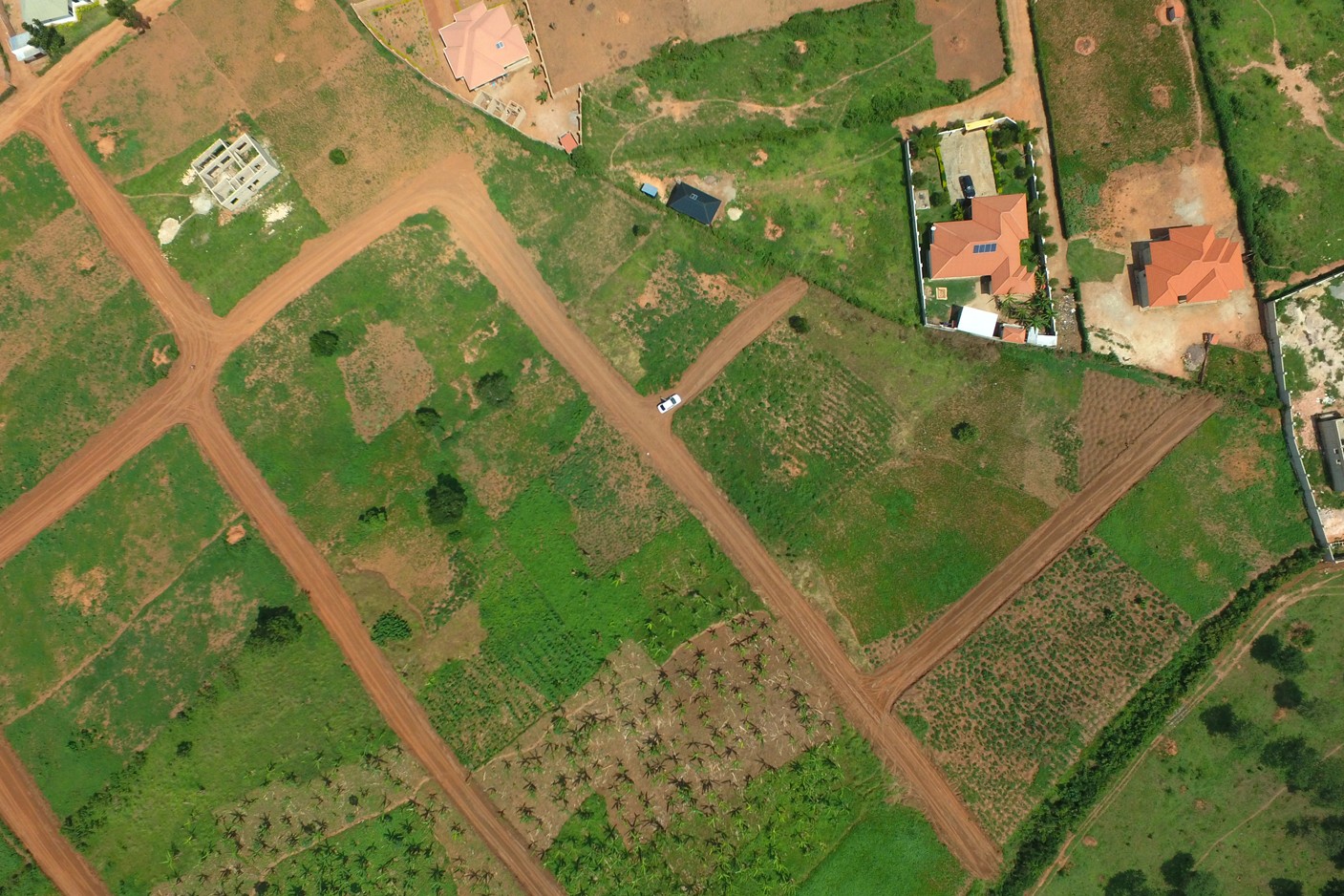
Buvuma District, located on the islands of Lake Victoria, is rapidly emerging as one of Uganda’s most promising locations for land acquisition and property investment. Its natural beauty, fertile soils, strategic location, and evolving infrastructure make it a compelling destination for residential homeowners, agricultural investors, commercial developers, eco-tourism entrepreneurs, and long-term land investors.
Unlike more developed mainland districts, Buvuma offers affordable land while providing potential for high returns as the district continues to develop. The combination of lakeside scenery, fertile agricultural land, and emerging urban hubs presents a variety of investment opportunities, from residential plots and commercial land to large agricultural tracts and eco-tourism sites.
This guide provides a comprehensive overview of buying land in Buvuma, covering everything from geography and demographics to localities, land types, pricing trends, legal requirements, investment strategies, risk management, and long-term outlook. By following the insights in this article, buyers can make informed decisions and secure land that delivers both immediate utility and long-term value.
Overview of Buvuma District
Buvuma District is comprised of 52 islands in Lake Victoria, with Buvuma Island serving as the largest and administrative center. The district is largely rural, characterized by small villages and communities whose livelihoods are primarily based on fishing, subsistence agriculture, and small-scale trade.
Key features of Buvuma District include:
- Island Geography: Rolling hills, fertile plains, and lakeside areas suitable for a range of land uses.
- Population: Predominantly rural with a mix of traditional and emerging communities.
- Infrastructure Development: Gradually improving ferry services, roads, and access to electricity in select areas.
- Emerging Investment Opportunities: Agriculture, eco-tourism, and residential development are increasingly attracting investors.
Buvuma’s proximity to Kampala (approximately 60–70 km) and Jinja positions it as a strategically located district with the potential for future urban and economic growth. While accessibility is currently reliant on ferry transport, infrastructure improvements are underway, further enhancing the district’s attractiveness to buyers and investors.
Why Buy Land in Buvuma
Buvuma offers several compelling advantages for land buyers:
- Affordability: Land prices remain lower than in mainland peri-urban districts, providing opportunities for cost-effective acquisition.
- Emerging Market Potential: As infrastructure, agriculture, and eco-tourism projects expand, land value is expected to increase.
- Diverse Land Use: Buvuma supports residential, agricultural, commercial, tourism, and long-term investment projects.
- Fertile Agricultural Land: Rich soils make the district ideal for both subsistence and commercial farming.
- Eco-Tourism Opportunities: Waterfront and scenic parcels are ideal for resorts, lodges, and vacation homes.
- Proximity to Urban Centers: Access to Kampala and Jinja enables investors and homeowners to benefit from nearby markets and services.
The combination of affordable pricing, natural resources, and strategic location positions Buvuma as a high-potential district for both short-term utility and long-term investment.
Geography and Climate
Buvuma District’s geography and climate play a significant role in land valuation and use:
- Island Terrain: Rolling hills, flat plains, and lakeside areas provide diverse land-use options.
- Soil Fertility: Rich alluvial and volcanic soils support crops such as bananas, cassava, maize, coffee, and horticultural produce.
- Climate: Tropical, with two rainy seasons that allow for year-round agriculture.
Understanding the geography and soil composition is essential for buyers looking to develop agricultural projects, residential homes, or eco-tourism resorts. Fertile land near water sources or flatlands suitable for building tends to command higher prices.
Economic Overview
The economy of Buvuma is primarily based on:
- Fishing: The primary livelihood for communities on the islands, both for subsistence and commercial purposes.
- Agriculture: Subsistence farming is widespread, with emerging commercial agriculture opportunities.
- Small-scale Trade: Local markets support trade in fish, agricultural produce, and consumer goods.
- Emerging Projects: Investment in palm oil plantations, eco-tourism, and other agricultural initiatives is increasing demand for land.
- Natural Resources: Timber, charcoal, and lake-based resources supplement household incomes.
As economic activity grows, demand for land—especially near ferry points, trading centers, and fertile agricultural areas—is expected to rise significantly.
Infrastructure and Connectivity
Infrastructure development is a major driver of land value in Buvuma:
- Ferry Services: Key for connecting the islands to the mainland, crucial for trade and accessibility.
- Road Networks: Gradually improving, linking villages and emerging commercial hubs.
- Utilities: Electricity, water, and telecommunication services are expanding but vary by location.
- Community Facilities: Schools, healthcare, and markets are limited but growing in key towns.
Land close to infrastructure or planned development projects is more desirable for investors and homeowners, offering both immediate convenience and potential for appreciation.
Types of Land Available in Buvuma
Buvuma offers several types of land suited to different purposes:
Residential Plots
- Sizes: 50×100 ft, 100×100 ft, ¼ acre, ½ acre, 1 acre.
- Locations: Near villages, towns, or lakefront areas.
- Utilities: Electricity and water access varies.
Ideal Uses: Family homes, rental units, holiday lodges, and eco-lodges.
Agricultural Land
- Crops: Bananas, cassava, maize, coffee, vegetables, and horticultural crops.
- Livestock: Cattle, goats, poultry.
- Mixed Farming: Combination of crops and livestock.
Ideal Uses: Commercial farming, plantations, and agro-processing.
Commercial Land
- Location: Near ferry landing sites, trading centers, and high-traffic areas.
- Opportunities: Shops, warehouses, service stations, and retail outlets.
Tourism and Resort Land
- Waterfront Land: Ideal for resorts, lodges, holiday homes, and eco-tourism developments.
- Recreational Opportunities: Fishing lodges, boat docks, nature trails, and adventure tourism.
Investment and Estate Land
- Large Acreage: Hundreds of acres suitable for estate development or subdivision.
- Long-Term Investment: Land banking for future appreciation as the district develops.
Key Localities for Land in Buvuma
- Buvuma Town: Administrative and commercial hub with better infrastructure and market access.
- Ferry Landing Sites: High traffic and strategic locations for commercial and residential development.
- Lakefront Areas: Scenic plots ideal for resorts and eco-tourism.
- Interior Rural Zones: Large agricultural plots suitable for long-term investment.
Price Trends and Market Dynamics
Land prices vary widely based on:
- Residential Plots: Affordable in interior villages, higher near ferry points.
- Agricultural Land: Cheaper in rural areas; fertile parcels near water sources command premium prices.
- Commercial Land: Premium near trading hubs and ferry landing points.
- Tourism Land: Waterfront and scenic locations are highest in value.
- Large Estate Land: Lower per-acre cost but high appreciation potential over time.
Price fluctuations are influenced by infrastructure development, accessibility, soil fertility, and proximity to urban centers. Investors should monitor planned projects such as road upgrades and ferry expansions, as these can significantly impact land value.
Step-by-Step Guide to Buying Land in Buvuma
- Define Your Purpose: Residential, commercial, agricultural, tourism, or investment.
- Verify Ownership: Confirm title authenticity at the local Land Registry.
- Consult Local Authorities: Engage community leaders to ensure no disputes exist.
- Survey the Land: Hire a licensed surveyor to confirm boundaries.
- Legal Review: Have an advocate prepare or review the sale agreement and advise on taxes.
- Secure Payment: Use documented methods such as bank transfers.
- Register the Transfer: Submit documents and pay stamp duty to update ownership officially.
Legal Considerations
- Tenure Types: Freehold, leasehold, mailo, or customary.
- Taxes and Fees: Stamp duty, registration fees, and legal fees.
- Encumbrances: Avoid properties with mortgages, caveats, or restrictions.
- Zoning: Ensure land use complies with local regulations.
Investment Use Cases
- Residential Development: Family homes, rental units, eco-lodges.
- Agriculture: Commercial farms, plantations, mixed-use farming.
- Commercial Ventures: Shops, warehouses, service stations, and retail.
- Tourism Projects: Eco-resorts, lodges, holiday homes.
- Long-Term Investment: Land banking, estate development, subdivision for resale.
Risk Management
- Boundary Disputes: Mitigate by professional survey and local consultation.
- Fake Titles: Verify documents at Land Registry and engage a qualified advocate.
- Access Challenges: Confirm rights-of-way and ferry connectivity.
- Environmental Compliance: Ensure sustainable practices and regulatory adherence.
Practical Tips for Buyers
- Visit the land personally before purchase.
- Compare multiple listings to gauge fair pricing.
- Document all agreements in writing.
- Work with licensed professionals: advocates, surveyors, and real estate agents.
- Evaluate the potential for appreciation based on infrastructure and economic development plans.
Long-Term Outlook
The future of Buvuma land is promising:
- Agricultural Projects: Expansion of cash crops and commercial farms.
- Infrastructure Development: Road improvements and ferry expansion.
- Eco-Tourism: Growth of resorts, lodges, and recreational facilities.
- Residential Demand: Increasing interest from homeowners and investors.
Land purchased today is expected to appreciate significantly as development continues.
Conclusion
Buvuma District offers unique land investment opportunities for homeowners, investors, and developers. Its affordable prices, fertile soils, scenic landscapes, and emerging infrastructure make it an ideal location for residential, commercial, agricultural, tourism, and long-term investment purposes. By conducting thorough due diligence, verifying ownership, and working with professionals, buyers can secure land that delivers both immediate utility and long-term value.