
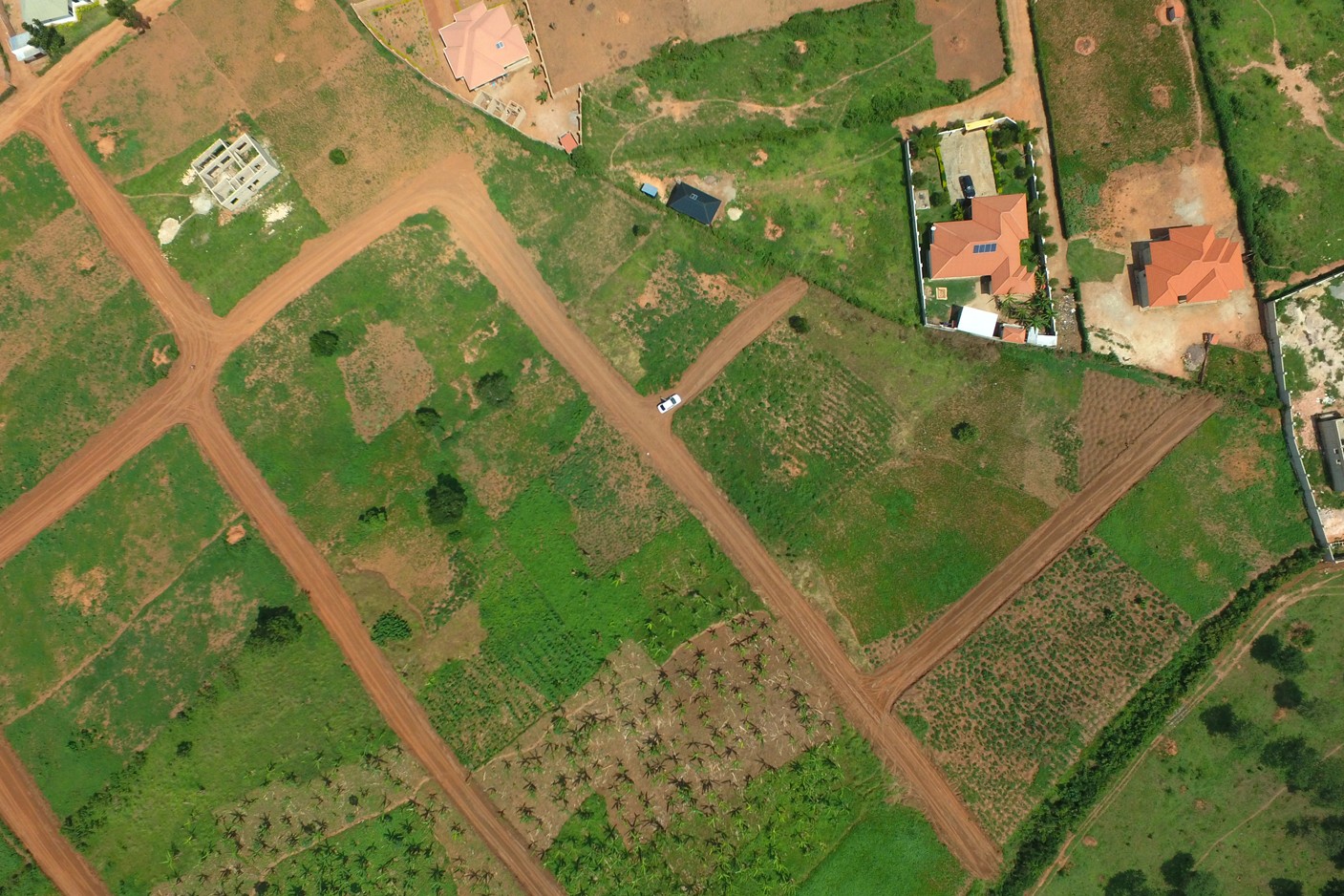
Buying land in Butambala, Uganda offers a compelling opportunity for homeowners, farmers, commercial developers, and long‑term investors seeking property in one of the Central Region’s emerging land markets. Butambala enjoys strategic proximity to Kampala and Munyonyo, fertile soils, low entry‑price land options, growing peri‑urban demand, and expanding infrastructure. Whether your goal is to build a home, start an agricultural enterprise, develop commercial property, or acquire land for investment, Butambala’s diverse offerings can meet those objectives.
This is a comprehensive, authoritative guide to buying land in Butambala — covering district context, price trends, major localities, land types, investment use cases, legal considerations, risk mitigation, practical steps to buy safely, and an SEO‑optimized keyword list at the end.
Introduction to Butambala District
Butambala District is located in the Central Region of Uganda, bordered by Gomba to the south, Mityana to the west, Kampala’s peri‑urban belts to the east, and Mpigi to the north. The district’s geography includes gently rolling hills, fertile valleys, and open plains ideal for agriculture and rural settlement.
Butambala is less urbanised compared to neighbouring districts like Wakiso and Mukono, making land more affordable and accessible. As Kampala’s urban influence continues to radiate outward, areas in Butambala are increasingly integrated into commuter routes, small enterprise networks, and agricultural value chains.
Why Buy Land in Butambala
There are several strategic reasons people buy land in Butambala:
- Affordable Land Prices: Farmland and residential plots are generally lower in cost than in peri‑urban zones closer to Kampala.
- Proximity to Urban Infrastructure: Butambala is within commuting distance to Kampala and Mpigi, offering a balance between rural tranquillity and access to urban services.
- Fertile Soils: The district’s soils support a variety of cash crops, food crops, and livestock farming.
- Emerging Residential Demand: Families and professional commuters are buying land for homes and rentals as urban spillover continues.
- Commercial Opportunity: Growing local markets and roadside land demand present commercial possibilities.
- Long‑Term Value Appreciation: Infrastructure developments and population expansion contribute to land value growth over time.
- Land Banking Potential: Investors acquire land ahead of projected infrastructure improvements to capitalise on future appreciation.
Position of Butambala in the Central Region Land Market
Butambala sits within a broader real‑estate ecosystem that includes highly developed zones (like Kampala and Wakiso), intermediate peri‑urban belts (Mukono, Mpigi), and evolving rural districts (Gomba, Mityana). In this context:
- Kampala’s growth spreads demand outward, making districts like Butambala attractive for affordable land acquisition.
- Proximity to major roads that connect to Kampala, Masaka, and Mpigi supports ease of movement and trade.
- Comparative affordability makes Butambala accessible for first‑time buyers and budget investors without compromising growth prospects.
Understanding this regional interplay helps buyers align purchase timing, location choice, and land use strategy.
Overview of the Land Market in Butambala
The land market in Butambala is characterised by:
- Residential parcels near trading centres and transport hubs.
- Large agricultural acreage offering productive farming land.
- Commercial plots along main roads and near emerging business clusters.
- Estate development sites for planned housing projects.
- Investment land purchased for long‑term value appreciation.
Transactions are facilitated through private sales, local agents, community networks, and formal listings. Buyers range from local residents and farmers to urban investors and diaspora land bankers.
Top Localities for Land in Butambala
Different parts of Butambala offer distinct opportunities depending on buyer goals, budget, and intended land use.
Butambala Town and Administrative Centre
Butambala Town — the administrative and trading heart of the district — is the most developed area and serves as a focal point for land buyers seeking proximity to services and utilities.
Key Features:
- Close access to piped water and electricity.
- Nearby schools, health facilities, and banks.
- Highest local demand for residential and commercial land.
Common Land Uses:
- Residential homes.
- Rental housing.
- Shops and small enterprises.
- Mixed‑use development.
Price Dynamics:
Land nearer to the centre commands higher prices due to convenience and accessibility.
Gombe and Kibibi Peri‑Urban Communities
Gombe and Kibibi are peri‑urban communities offering a balance of accessibility and lower pricing compared with central town plots. They are gaining demand from families and first‑time buyers looking for commuter‑friendly homes near social amenities.
Key Features:
- Emerging residential demand.
- Moderate access to utilities.
- Shorter commuting distances to Kampala and Mpigi.
Common Land Uses:
- Residential estate plots.
- Small commercial properties (shops, kiosks).
- Mixed agriculture and home plots.
Price Dynamics:
Moderate prices that reflect a balance between urban proximity and rural affordability.
Kibibi–Kalamba Rural Belt
The rural belt between Kibibi and Kalamba is characterised by larger tracts of land and more affordable per‑acre pricing, ideal for agricultural use or land banking.
Key Features:
- Large, contiguous land parcels.
- Strong agricultural potential.
- Serene rural environment.
Common Land Uses:
- Commercial farming (cash crops, horticulture).
- Livestock and dairy production.
- Large country estates.
Price Dynamics:
Lower per‑acre pricing compared with peri‑urban and trading centres, appealing to bulk buyers.
Mpigi Road Corridor and Trading Nodes
The stretch of land along the Mpigi–Butambala Road and other feeder corridors is attractive to buyers focusing on commercial activity and roadside development.
Key Features:
- Roadside accessibility.
- Proximity to multiple trading hubs.
- Visibility for business operations.
Common Land Uses:
- Retail shops.
- Service stations.
- Warehouses.
- Logistics and distribution points.
Price Dynamics:
Higher pricing relative to interior rural land due to commercial potential.
Estate and Large Acreage Zones
Larger land parcels that are suitable for subdivision, estate development, or long‑term investment are typically located in less central regions of the district. These parcels are attractive to developers and investors alike.
Key Features:
- Substantial acreage for development.
- Lower immediate per‑acre pricing.
- Greater potential for value appreciation with proper planning.
Common Land Uses:
- Planned residential estates.
- Mixed‑use communities.
- Investment land banking.
Price Dynamics:
Lower per‑acre pricing with strong future potential as surrounding infrastructure improves.
Types of Land Available for Sale in Butambala
Buyers in Butambala encounter several land types — each suited to particular goals and investment timelines.
Residential Land
Residential plots are popular among families, professional commuters, and rental investors. These range from smaller urban plots to larger peri‑urban home sites.
Typical Sizes:
- 50×100 ft
- 100×100 ft
- ¼ acre
- ½ acre
- 1 acre
Best For:
- Building family homes
- Rental properties
- Small residential communities
Demand Trend:
Rising demand near trading centres and utility access points.
Agricultural and Farmland
Large acreage agricultural land is well suited for both commercial and subsistence farming. Butambala’s soils support a variety of crops including coffee, bananas, maize, beans, and horticulture crops.
Best For:
- Commercial crop production
- Mixed agriculture systems
- Livestock and dairy operations
Demand Trend:
Steady interest from farmers and agribusiness buyers seeking productive land.
Commercial Land
Commercial plots are typically located along major roads, near trading hubs, or at junctions with high traffic flow.
Best For:
- Retail businesses
- Warehouses
- Service stations
- Logistics nodes
Demand Trend:
Entrepreneurs and investors targeting consistent rental or business income.
Estate Development Land
Larger tracts suitable for subdivision and planned estate projects are attractive to developers and investors with medium to long‑term development strategies.
Best For:
- Planned residential communities
- Mixed‑use estates
- Phased development projects
Demand Trend:
Interest from developers targeting mid‑income housing markets.
Investment Land (Land Banking)
Investment land is purchased for future appreciation rather than immediate development.
Best For:
- Strategic holding near planned infrastructure
- Long‑term capital growth
- Land speculators
Demand Trend:
Diaspora investors or high‑net‑worth land bankers looking for future value.
Price Trends in Butambala
Land prices in Butambala are influenced by location, land type, access to infrastructure, and development potential. While prices fluctuate with market conditions, general patterns include:
Residential Plot Prices
- Central and peri‑urban plots: Priced above rural land due to services and utilities.
- Interior residential plots: Lower prices with larger sizes available.
Residential plots close to schools, clinics and utilities often appreciate faster due to demand.
Agricultural Land Prices
- Accessible farmland near roads: Commands higher per‑acre prices.
- Remote farmland: Lower pricing reflecting distance and limited accessibility.
Agricultural land pricing is influenced by soil productivity and market access.
Commercial Parcel Prices
- Road corridor plots: Higher pricing due to visibility and business potential.
- Trading hub land: Mid‑range values reflecting local commerce.
Commercial land values reflect current and anticipated business activity.
Investment Land Prices
- Growth corridor land: Mid to high pricing based on projected future development.
- Deeper rural parcels: Lower per‑acre pricing with long‑term appreciation potential.
Investment land pricing is driven by future expectations rather than immediate use.
Demand Drivers in Butambala’s Land Market
Key forces shaping the demand for land include:
- Residential migration as people seek affordable homes near services.
- Agricultural expansion driven by farmers and agribusiness investors.
- Commercial development targeting road traffic and local markets.
- Peri‑urban expansion as urban influence spreads outward.
- Speculative investment anticipating future infrastructure improvements.
These drivers create a multi‑segment land market that supports varied buyer objectives.
How to Buy Land in Butambala Safely
Buying land in Uganda — including in Butambala — requires structured due diligence to avoid disputes, fraud, or title issues. Follow this step‑by‑step process:
Step 1: Define Your Land Purpose
Clarify whether your purchase is for:
- Residential use
- Agricultural production
- Commercial activity
- Estate development
- Long‑term investment
This focus guides your search and due‑diligence.
Step 2: Verify Title and Ownership
Conduct a title search at the Land Registry to confirm:
- The seller is the legal owner
- The title is authentic and transferable
- The land is free of encumbrances, caveats, or disputes
Work with a licensed advocate for accurate verification.
Step 3: Local Authority Confirmation
Meet with local leaders (LC chairperson, neighbours) to:
- Confirm the land’s occupancy history
- Clarify boundary consensus
- Detect any potential disputes or overlapping claims
Local verification often reveals information not visible in documentation.
Step 4: Professional Land Survey
Hire a licensed surveyor to:
- Place and confirm boundary pegs
- Verify parcel measurements against the title
- Produce a formal survey plan
This prevents future boundary disputes and provides a record for registry filing.
Step 5: Legal Review and Sale Agreement
An advocate should:
- Review all documentation
- Draft or review the sale agreement
- Clarify payment and transfer procedures
- Ensure compliance with Uganda’s land laws
Legal counsel is essential to secure your interests.
Step 6: Secure Payments Through Official Channels
Make payments using:
- Bank transfers
- Documented instruments
- Signed receipts with legal witness
Avoid cash transactions without documented proof.
Step 7: Register the Land Transfer
After payment and agreement execution:
- File all documentation with the Land Registry
- Pay stamp duty and registration fees
- Ensure your name is reflected on the new title
Registration establishes legal ownership.
Legal Considerations in Butambala Land Transactions
Understanding the legal framework protects your investment.
Land Tenure Types
Uganda recognises multiple land tenure systems:
- Freehold: Full ownership rights
- Leasehold: Time‑bound ownership rights
- Mailo: Perpetual but may involve occupants
- Customary: Traditional tenure, convertible to formal title
Confirm the land’s tenure before purchase.
Taxes and Fees
Buying land typically incurs:
- Stamp duty
- Registration fees
- Legal fees
Include these in your purchase budget.
Encumbrances and Caveats
Ensure the land is free from:
- Mortgages
- Court attachments
- Caveats
- Restrictive covenants
Clean titles are essential for undisturbed ownership.
Zoning and Planning Regulations
Consult local authorities to determine:
- Permitted land uses
- Environmental and planning restrictions
- Future development plans that may affect land use
Compliance ensures lawful development.
Use Cases: Why Buyers Acquire Land in Butambala
Different buyer segments pursue land for varied objectives:
Residential Development
Buyers acquire land to:
- Build family homes
- Develop rental properties
- Establish medium‑density residential estates
Residential plots near services tend to appreciate faster.
Agricultural Enterprises
Farmers and agribusinesses purchase land for:
- Crop cultivation
- Plantation agriculture
- Livestock and dairy projects
Butambala’s fertile soils support diversified agriculture.
Commercial Ventures
Entrepreneurs buy land for:
- Shops and retail outlets
- Warehouses and logistics hubs
- Service stations and roadside businesses
Commercial land near major roads yields business returns.
Estate Development
Developers secure parcels to:
- Subdivide into residential plots
- Build planned communities
- Sell or rent developed units
Estate projects require planning, marketing, and phased investments.
Land Banking (Investment)
Investors purchase land to:
- Hold for long‑term appreciation
- Benefit from future infrastructure improvements
- Subdivide and develop at a later stage
Land banking is a strategic investment approach for long‑term value.
Practical Tips for Land Buyers
- Visit the property in person before purchase
- Confirm access to utilities (water, electricity, internet)
- Compare multiple listings to understand pricing
- Document all agreements in writing
- Engage licensed professionals — surveyors, advocates, and reputable agents
Risks and How to Mitigate Them
Boundary disputes
Mitigation: Professional survey and local reconciliation
Fake titles
Mitigation: Rigorous title search and legal review
Hidden encumbrances
Mitigation: Registry checks with legal verification
Access issues
Mitigation: Confirm access rights of way
Long‑Term Outlook for Butambala Land
Butambala’s land market is poised for growth due to:
- Continued infrastructure development
- Population expansion and peri‑urbanisation
- Rising demand for housing and commercial land
- Agricultural investment interest
Land purchased today — especially near growth corridors and transport routes — is likely to appreciate significantly over time.
Conclusion
Buying land in Butambala, Uganda offers diverse opportunities for a wide range of buyers — from residential homeowners and agricultural investors to commercial developers and long‑term land bankers. With strategic location, fertile soils, expanding infrastructure, and strong demand drivers, Butambala’s land market combines affordability with future growth potential. By conducting thorough due diligence, engaging professional support, and aligning acquisitions with clear objectives, buyers can secure land that meets their needs and delivers sustainable value over both the medium and long term.