
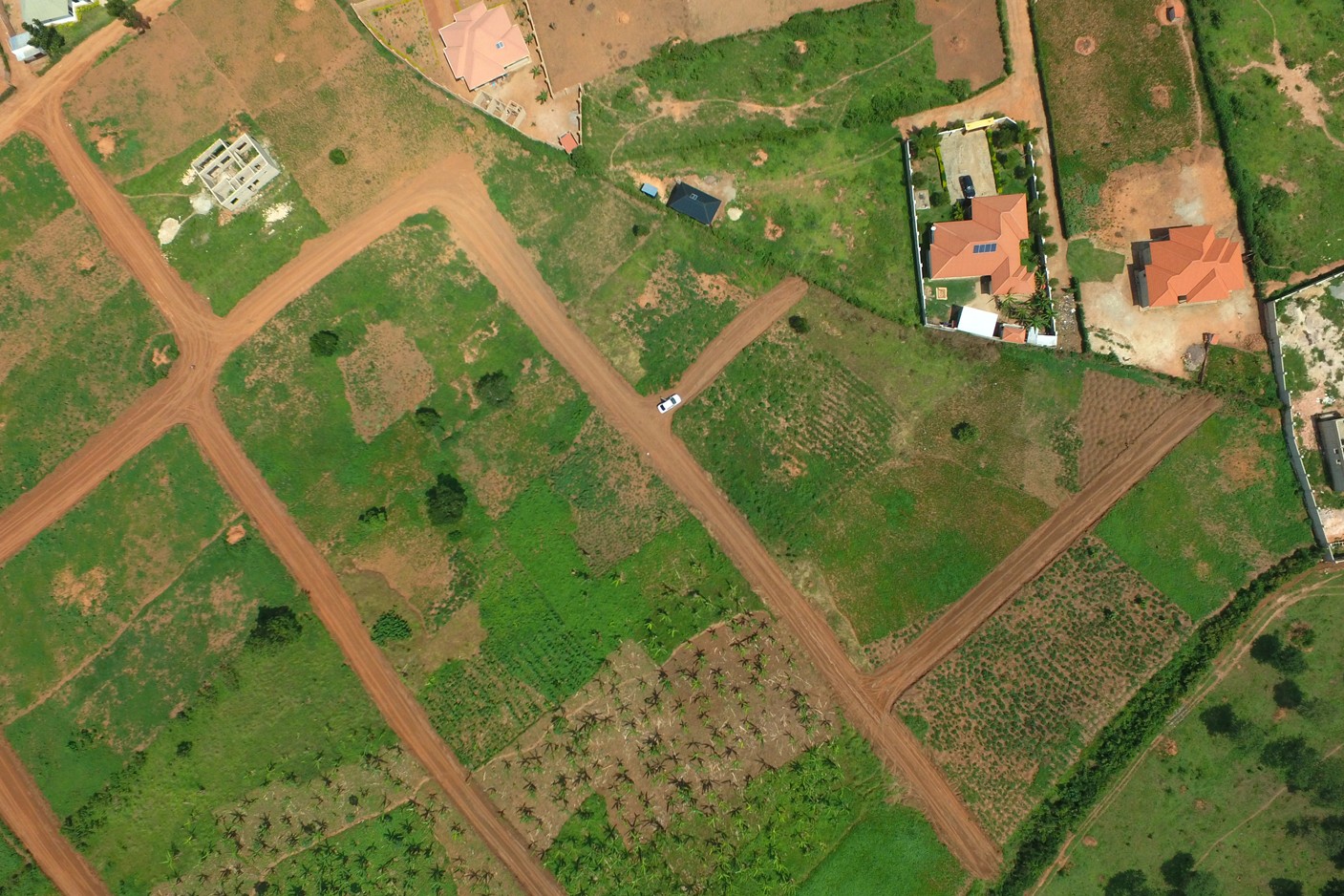
Buying land in Bukomansimbi District, Uganda offers a compelling opportunity for individuals, families, farmers, and investors seeking property in one of the Central Region’s emerging land markets. Located between Masaka and Sembabule, Bukomansimbi combines fertile soils, strategic accessibility, diversified land use potential, and a growing local economy underpinned by agriculture and small‑scale enterprise. As urban expansion continues north from Masaka and surrounding districts, land in Bukomansimbi features expanding demand for residential plots, farmland, commercial sites, and investment parcels.
This authoritative guide provides a comprehensive look at the Bukomansimbi land market — including district overview, best localities to buy land, typical price ranges, use cases, buying process, due diligence, legal considerations, and practical tips for safe and profitable acquisition.
Overview of Bukomansimbi District
Bukomansimbi District is part of Uganda’s Central Region and was established as a distinct administrative area out of parts of Masaka District. The district has a tropical climate with well‑distributed rainfall, fertile red loam and sandy clay soils, and a terrain that supports a range of agricultural activities. Most residents engage in crop cultivation and livestock farming, with crops including bananas, maize, beans, cassava, coffee, and fruits. Agriculture is the dominant economic activity, with more than 90 percent of households dependent on crop or livestock farming for their livelihoods.
The district covers approximately 589.93 square kilometers and includes rolling hills, valley swamps, and productive countryside that makes land here particularly attractive for farming and development. The local government has identified potential investment opportunities in mechanized farming, bee‑keeping and honey processing, mineral extraction (sand, stone quarrying, clay), forestry plantations, and aquaculture — all of which contribute to interest in land acquisition.
Economic and Land Use Context
Agriculture forms the backbone of the Bukomansimbi economy, with crop growing, livestock rearing, poultry, and fisheries as major activities. The district’s soils are generally fertile and supportive of both staple and cash crops. Land use within the district is predominantly agricultural, accounting for about three‑quarters of land use, with commercial farming and forestry occupying the remainder of productive land. Urban and built‑up areas occupy only a small percentage of land, leaving significant tracts available for buyers interested in farmland or rural estates.
This farmland orientation, combined with a relatively undeveloped property market compared to neighboring Masaka and Kalungu districts, means land prices are generally more affordable and present excellent long‑term potential as infrastructure expands and demand increases.
Why Buy Land in Bukomansimbi
There are several compelling reasons land buyers consider Bukomansimbi:
- Proximity to Masaka City: Bukomansimbi sits near Masaka — a commercial hub in Central Uganda — granting easy access to markets, services, and infrastructure while offering lower costs than immediate peri‑urban areas.
- Fertile Agricultural Land: The district’s soils are productive and supportive of a wide range of crops — from bananas and maize to coffee and beans — making land here ideal for commercial and subsistence farming projects.
- Investment Upside: As surrounding districts develop, demand for land for residential subdivisions, agricultural estates, and commercial projects is poised to increase.
- Diverse Land Uses: Buyers can secure land for residential homes, estate developments, commercial ventures, farmland, agro‑processing projects, or mixed uses tailored to evolving local economies.
- Accessible Road Network: Main highways and feeder roads enhance connectivity within the district and to neighboring regions.
- Lower Entry Prices: Land in Bukomansimbi typically costs less per acre than similar parcels closer to Kampala or in more urbanized parts of the Central Region.
Major Localities for Land in Bukomansimbi
Within Bukomansimbi District, certain sub‑locations are prominent for land purchase. Each offers varying attributes in terms of accessibility, land use potential, and price.
Bukomansimbi Town and Trading Center
The town of Bukomansimbi serves as the administrative and economic center. Land here tends to be in high demand for residential and commercial purposes due to easy access to services, schools, markets, and transport links.
Investment Focus:
- Residential plots near schools and hospitals
- Commercial land along main roads
- Mixed‑use developments near trading centers
Typical Land Uses: Residential homes, shops, office blocks, rental apartments, service stations
Kibinge Sub‑County
Kibinge features gentle terrain and fertile soils, making it ideal for both farming and residential development. Land here is popular among agricultural investors, as well as buyers seeking a balance between accessibility and rural tranquility.
Investment Focus:
- Agricultural acreage
- Country homes
- Peri‑urban residential plots
- Agro‑enterprise sites
Typical Land Uses: Mixed agriculture, homesteads, rural estates
Butenga Sub‑County
Butenga is another area in Bukomansimbi that attracts agricultural and residential buyers due to its productive land and relatively peaceful rural surroundings.
Investment Focus:
- Commercial farming
- Livestock projects
- Residential plots in quiet rural settings
Typical Land Uses: Farmland, residential sites, mixed use
Kitanda and Bigasa
These sub‑counties are known for unsurveyed public land holdings that provide opportunities for large‑scale development projects, including industrial parks, mixed agricultural estates, and development clusters. The presence of unsurveyed land also means potential for land consolidation and future subdivision once planning and survey work is completed.
Types of Land Available for Purchase
When buying land in Bukomansimbi, buyers typically encounter the following categories:
Residential Plots
Smaller parcels — such as 50×100 ft plots or 1⁄8 to 1⁄4 acre parcels — suited for homes, rental properties, or small estates. These plots are typically located near trading centers, schools, and public services.
Best Use Cases:
- Family homes
- Rental accommodations
- Small estate developments
Agricultural Acreage
Larger parcels measured in acres are ideal for farming cash crops, livestock, or mixed agricultural enterprises. Bukomansimbi’s soils are conducive to a wide range of agricultural activities.
Best Use Cases:
- Commercial crop production
- Banana, coffee, maize, and cassava farms
- Livestock and poultry production
- Agro‑processing
Commercial Land
Parcels along major roads or near trading centers can be used for businesses such as retail outlets, service stations, warehouses, or logistics hubs.
Best Use Cases:
- Retail shops
- Wholesale outlets
- Fuel stations
- Logistics and storage facilities
Estate Development Parcels
Larger blocks that can be subdivided into multiple residential plots or developed into planned homesites or communities.
Best Use Cases:
- Residential estates
- Gated communities
- Development projects for resale or rent
Price Trends and Market Expectations
Land prices in Bukomansimbi vary according to location, accessibility, land use classification, title status, and proximity to infrastructure. While detailed district‑specific pricing data is not systematically published, comparative regional price guidelines suggest the following approximate ranges based on typical observations in the Central Region for similar areas:
- Residential Plots: Depending on proximity to roads, schools, and trading centers, residential plot prices might range from lower tens of millions of Ugandan shillings to moderate values in more developed pockets.
- Farmland per Acre: In many emerging rural districts of Central Uganda, agricultural land typically falls in a range that reflects relative affordability compared to peri‑urban zones — often starting from low millions per acre, with higher values where soils and access are superior.
- Commercial Parcels: Land along main roads commanding commercial visibility is generally priced higher than deep rural land, reflecting greater development potential and traffic access.
Price trends show that as infrastructure improves and nearby urban centers expand, demand — especially for residential and mixed‑use land — increases. Investors who secure land early in growth corridors often benefit from strong appreciation over time.
Best Practices for Due Diligence
Buying land in Uganda, including Bukomansimbi, requires rigorous due diligence to ensure ownership legitimacy, clarity of boundaries, and absence of disputes. Experienced buyers and local real estate professionals emphasize the following steps:
1. Verify Land Ownership
Conduct a title search at the appropriate Land Registry to confirm the seller’s legal ownership and ensure the title is authentic and transferable.
2. Local Verification
Engage with local leaders, neighbors, and community members to confirm the history of the land, current occupation, and whether any disputes or conflicting claims exist.
3. Survey and Boundary Confirmation
Hire a licensed land surveyor to confirm that the physical boundaries match the title documents and that there are no encroachments.
4. Document Review
A qualified advocate should review all documentation, including the title, survey reports, and any encumbrance searches to ensure the land is free of caveats, mortgages, or pending disputes.
5. Secure Payment Channels
Conduct financial transactions through secure, traceable means (e.g., bank transfers) rather than cash, and obtain receipts and documented payment proofs.
6. Register Transfer Properly
After signing the sale agreement, ensure the land is formally registered in your name at the land registry to establish legal ownership.
These practices greatly reduce the risk of fraud, disputed ownership, and costly legal challenges. Posts from other Ugandans who have engaged in land purchases elsewhere emphasize the importance of in‑person verification, multiple layers of confirmation, and transparent documentation in avoiding land fraud — a common challenge across the country.
Legal Considerations in Bukomansimbi
Several legal frameworks govern land transactions in Uganda:
- Land Titles Act and Registration Laws: These dictate the recording, transfer, and validity of land titles.
- Local Government Land Regulations: Local councils often play a role in verifying sales and witnessing transactions.
- Stamp Duty and Taxes: Buyers are required to pay stamp duty, registration fees, and possibly legal fees as part of the transfer process.
- Environmental and Planning Compliance: Some land may fall under wetland regulations or require environmental assessment before development.
Consulting a qualified advocate experienced in Bukomansimbi or Central Region land law helps ensure compliance with all applicable legal requirements.
Use Cases for Land in Bukomansimbi
Depending on the buyer’s goals, land in Bukomansimbi can be used in multiple ways:
- Residential Development: Establishing homes, rental housing, or residential estates with long‑term growth potential.
- Agricultural Production: Leveraging fertile soils for commercial farming of coffee, bananas, maize, cassava, and other crops.
- Commercial Ventures: Developing retail, wholesale, or logistics enterprises along key road corridors.
- Estate Projects: Subdividing larger parcels into residential plots for sale or development.
- Investment Holding: Long‑term acquisition with the expectation of future appreciation as infrastructures improve.
Each use case aligns with demand trends within the district and emerging economic patterns.
Practical Tips for Buyers
- Conduct Physical Site Visits: Don’t rely on descriptions alone — inspect the land in person.
- Understand Local Market Dynamics: Talk to multiple local real estate agents for pricing context.
- Evaluate Infrastructure Plans: New roads, utilities, or services can significantly impact land value.
- Confirm Utility Access: Check availability of water, electricity, and communication services.
- Work with Professionals: Use trusted advocates, surveyors, and agents with experience in the district.
Conclusion
Buying land in Bukomansimbi, Uganda offers diverse opportunities for residential, agricultural, commercial, and investment objectives. The district’s fertile soils, strategic positioning within the Central Region, evolving land market, and relative affordability make it appealing to a wide range of buyers. By following disciplined due diligence, engaging professional support, and selecting land in promising sub‑locations, buyers can secure property that meets their goals and benefits from long‑term land value appreciation in this emerging market.